

Once a storm has passed, one of the most important areas you should check for problems is your roof. Your roof protects your home from weather, and even small damage can quickly become a big, expensive issue if not taken care of. Finding roof damage early can save you from leaks, larger repairs, and mold.
In addition to checking for visible damage, it’s crucial to inspect the attic for any signs of leaks or water stains, as these can indicate underlying issues that might not be immediately apparent from the outside. Pay attention to any unusual odors or dampness, which could suggest moisture intrusion. If you’re uncertain about the extent of the damage or need professional guidance, consider reaching out to a roofing expert. For more detailed information on how to address these concerns effectively, you can view this site for expert advice and services. Taking these proactive steps can help ensure your roof remains in optimal condition, safeguarding your home from future weather-related challenges.
Whether your area faced heavy hail, strong winds, or intense rain, knowing what damage looks like is important for every homeowner. If you need a complete fix, especially if you’re thinking about roof replacement in New York, checking your roof right after the storm is key to keeping your house safe.
While some roof issues are easy to see, others are harder to notice and need careful checking. This guide lists usual types of storm damage, shows how different weather affects roofs, and describes what to look for outside and inside your home.
We also include important safety advice for inspections and suggest steps if you do find roof problems-helping your home stay safe and dry.
Why Storms Cause Roof Damage
Storms are strong and unpredictable, and your roof is often their main target. Light rain can sometimes cause little harm, but heavy hail, strong winds, and hurricanes can do real damage. Each type of weather carries risks for the roof that you need to know about.
Types of Storms That Harm Roofs
Different storms damage roofs in different ways:
- Thunderstorms: Heavy rain and lightning can reveal or create leaks around chimneys and vents.
- Tornadoes/Hurricanes: These can rip off shingles or large parts of the roof and toss debris onto your home.
- Winter Storms: Snow buildup can weigh down and weaken the roof, while ice dams trap water and push it under shingles, causing leaks.
Every region can have roof damage after a storm-even places that don’t often see severe weather. That’s why checking your roof is important no matter where you live.
How Wind, Hail, and Rain Affect Roofs
Storm elements harm roofs in unique ways:
|
Type |
How It Hurts the Roof |
|
Wind |
Lifts and removes shingles, exposes roof deck, brings down branches |
|
Hail |
Dents metal, cracks shingles and tiles, removes granules from asphalt shingles |
|
Heavy Rain |
Finds and enters weak spots, strips away shingle granules, causes standing water on flat roofs |
Knowing these risks helps you know what to check first after a storm.
Early Warning Signs of Roof Damage
After a storm is over, look for certain clues from the ground or from a window. It’s best to call roofing experts for full inspections, but there are some things you can safely spot yourself. Finding problems early can stop small repairs from turning into big ones.
Missing or Damaged Shingles
The easiest warning sign is missing, cracked, bent, or curled shingles. High winds and hail can break or move shingles. Even if a shingle hasn’t fallen off, if it’s sticking up or looks damaged, it’s not doing its job anymore.
Granule Loss on Asphalt Shingles
Asphalt shingles have small stones on their surface to protect against the sun. After a strong storm, you might see piles of these granules in your gutters or on the ground. Finding many granules means your shingles are weaker and your roof may need work soon.
Cracked, Bent, or Lifted Roofing Materials
Other types of roofs can also get dented, cracked, or lifted. Metal roofs may show dents, while clay or concrete tiles can crack. Pay close attention to areas at the edges or around vents where wind damage is more likely.

Loose or Exposed Flashing
Flashing-those thin strips around chimneys, vents, and where roofs meet walls-keeps water out. If flashing looks bent, lifted, or rusty, water can sneak inside, creating leaks.
Damaged or Dislodged Gutters and Downspouts
Check that your gutters and downspouts are not dented, cracked, or loose. If they are hanging off or overflow during rain, they can’t move water away from your house as they should, which can lead to more roof or foundation problems.
Debris and Tree Branches on the Roof
Tree limbs and other debris can punch holes or scrape your roof. Even smaller debris can clog up your gutters, leading to standing water and hidden leaks. Always clear debris you can reach safely, and check the area underneath for damage.
Sagging or Uneven Roof Areas
If any section of your roof slumps or dips, you may have serious structural issues. This could mean broken supports or water damage, and you should call a professional roofer immediately.
Broken or Blocked Roof Vents
Vents keep your attic dry. If they are broken or blocked by storm debris, you may end up with mold or moisture damage. Look for any visible damage or movement of these vents from the ground if possible.
Indoor Signs of Roof Damage
Sometimes you’ll notice roof problems inside your house first. Be alert for water leaks, stains, or strange smells-these often mean water is getting in somewhere and must be repaired right away.
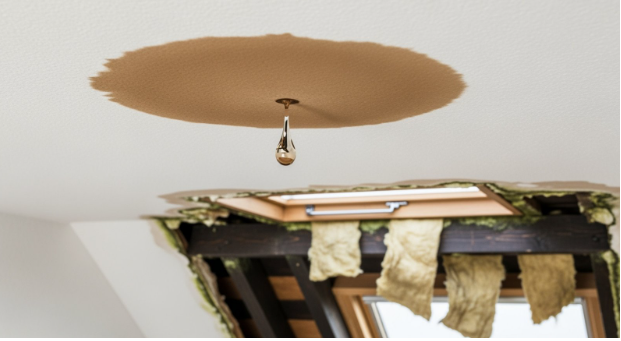
Ceiling Stains or New Water Leaks
Brown or yellow stains on ceilings or walls, particularly after a storm, are often caused by leaks. Any fresh damp spots or water dripping from above should be checked out immediately.
Wet Insulation or Attic Moisture
If you can look into your attic safely, check for damp insulation or wet wooden boards. This usually means water came in through the roof. A musty smell in the attic is another clue that moisture is present, which can cause mold.
Mold Growth Near the Roof or Walls
Mold on ceilings, in your attic, or along exterior walls suggests water has entered. Cleaning up mold won’t fix the problem-the roof leak must be stopped to prevent mold from returning.
Peeling Paint or Wallpaper Upstairs
Peeling paint or wallpaper on the top floor often means moisture is getting behind surfaces. If these problems show up after a storm, check the roof above for leaks.
How to Check for Roof Damage Safely
Safety comes first after a storm. You can do some simple checks yourself, but be careful and leave risky inspections to professionals.
Visual Checks from the Ground
- Walk around your house and look for visible damage to the roof and gutters.
- Use binoculars if you have them to see shingles and flashing up close.
- Check your yard for pieces of shingle or piles of granules.
- Look inside your attic and upstairs for water stains, dampness, or a musty smell.
Staying Safe During Inspection
- Never go onto your roof in wet, icy, or windy weather.
- If you use a ladder, make sure it’s steady and placed on level ground. Always keep two hands and one foot (or two feet and one hand) on the ladder.
- Wear sturdy, slip-resistant shoes. If possible, use a harness.
- In the attic, use a strong flashlight and watch your step to avoid falling through the ceiling.
When to Leave Inspections to Pros
- Don’t climb onto the roof if you’re not comfortable or don’t have the right equipment.
- If the roof is very steep, hard to access, or looks unstable, do not try to go up.
- If you see major problems, like a sagging roof, active leaks, or big holes, always call a roofing professional.
What to Do If You Find Damage
Finding storm damage on your roof can be worrying, but some clear actions can help you get repairs started and make insurance claims smoother.
Take Photos and Notes
Document all damage by taking clear photos and videos from different angles. Write down where and how serious the problems are, along with the date and any other details (like “missing shingles on back left corner”). This information helps with insurance claims and when meeting contractors.
Use Temporary Fixes as Needed
If you have active leaks or open areas, cover them with a tarp or plastic sheeting. Secure it with boards or bricks, but only if you can do so safely. This keeps water out until you can get professional repairs. Don’t put yourself in danger to do this.
Call a Professional Roofer
After documenting the damage and, if needed, setting up temporary coverings, contact a reliable, licensed roofing contractor. They can safely check all damage, give repair estimates, and check for hidden problems. Make sure the contractor you pick has storm damage experience and a good reputation.

Start an Insurance Claim
Your homeowner’s insurance may pay for roof repairs or replacement after a storm. Call your insurance company quickly and have your notes and pictures ready. An adjuster will come to inspect the damage. Keep receipts for any temporary fixes, as you may get these costs covered as well.
