

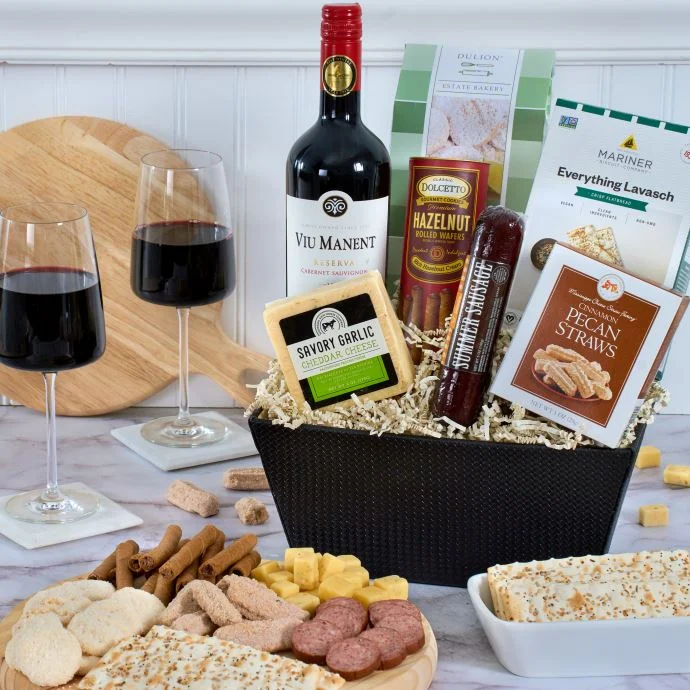
There’s something deeply personal about gifting a beautiful bottle of wine. It can be a wedding favor, a corporate holiday gift, a birthday basket, or a curated subscription box. Wine packaging carries an expectation that goes far beyond the liquid inside. It needs to look luxurious, travel safely, comply with labeling regulations, and tell a brand story all at once.
For gift brands, basket curators, and boutique wine packagers, getting the glass bottles packaging right is the difference between a gift that lands as premium and one that underwhelms before the recipient even pops the cork.
Here’s everything you need to know, from bottle selection and compliance to presentation and sustainability. A little guide to help you package wine gifts that genuinely impress.
Why Wine Packaging Is a Growth Opportunity You Shouldn’t Underestimate
The global wine packaging market was valued at USD 6.54 billion in 2024 and is projected to reach USD 10.59 billion by 2033, growing at a CAGR of 5.5%. Driving that growth? Premiumization. The documented consumer shift toward spending more on fewer, higher-quality wine experiences.
U.S. wine total volume is expected to remain relatively flat for the next several years. Meanwhile, value will grow due to price increases and the persistence of the premiumization trend. In the crowded and increasingly challenging wine market, effective package design can help a brand stand out and appeal to consumers.
For gift brands specifically, this is a genuine tailwind. Corporate gifting, wedding favors, and subscription curations are all growing segments of the wine market. Curated gift brands that invest in packaging quality are capturing the value growth that the overall market is generating.
Choosing the Right Glass Bottle For Gifting Wines
Glass dominates wine packaging for a reason. Glass is an extensively used material for wine packaging, holding an estimated value share of 63.1% in 2024. Glass does not interfere with wine properties like aroma and flavor due to its impermeability. A quality that adds to the overall enhanced drinking experience.
Here’s a practical guide to the formats that matter most for gift brands and basket makers sourcing wine bottles:
750ml Bordeaux Bottle
The classic, straight-sided, high-shouldered silhouette. The universal symbol of premium wine. Works across red, white, and rosé. If you’re curating a gift where the bottle is the hero, this is your default format. It photographs well, sits beautifully in a gift box, and needs no visual explanation.
750ml Burgundy Bottle
Sloping shoulders, rounder profile. The traditional format for Pinot Noir, Chardonnay, and many European varietals. Slightly more elegant-looking than the Bordeaux in a flat lay or gift display.
375ml Half Bottles
Perfect for single-serve gifting, sampler sets, and event favors. Half bottles allow curators to include multiple varietals in a single gift at a manageable price point, while reducing the recipient’s commitment. Increasingly popular for corporate and wedding gifting.
187ml Splits (Single-Serve)
Ideal for wedding favors, event gifts, and subscription sampler boxes. Splits look charming in curated sets and allow brands to offer variety without high per-unit cost. They also ship more safely due to lighter weight.
Specialty Frosted or Colored Glass
Frosted glass, dark green, and antique-colored bottles provide immediate visual differentiation on a gift table or in an unboxing moment. For brands where aesthetic distinction is a priority, specialty glass is worth the slight premium over standard formats. A dark or amber glass bottle is usually the standard for wine packaging.
TTB and FDA Labeling Requirements For Wine Bottles
Here’s where a lot of gift brands, especially smaller curators and basket makers who are repackaging or custom-labeling wines, get into regulatory trouble they didn’t see coming.
Wine labeling in the United States is governed by two federal agencies, depending on the product’s alcohol content, and the rules are specific.
For wines containing 7% or more alcohol by volume, the Federal Alcohol Administration (FAA) Act applies, administered by the Alcohol and Tobacco Tax and Trade Bureau (TTB) if the bottled wines are sold or otherwise introduced in interstate commerce. These wines must be labeled with mandatory information required by 27 CFR 4.32 and 4.34, as well as the health warning statement required by the Alcoholic Beverage Labeling Act of 1988.
For wines containing less than 7% alcohol by volume, they must comply with applicable U.S. Food and Drug Administration (FDA) food labeling and packaging requirements, including ingredient labeling, nutrition labeling, and allergen labeling requirements.
What must appear on a compliant wine label under 27 CFR 4.32:
- Brand name
- Class and type designation (e.g., “Cabernet Sauvignon,” “Red Table Wine”)
- Appellation of origin (where applicable and if varietal is claimed)
- Alcohol content by volume
- Net contents (in metric units per Standards of Fill)
- Name and address of the bottler or importer
- Country of origin (for imported wines)
- Government health warning statement — mandated verbatim under the Alcoholic Beverage Labeling Act for all wines 0.5% ABV or above:
GOVERNMENT WARNING: (1) According to the Surgeon General, women should not drink alcoholic beverages during pregnancy because of the risk of birth defects. (2) Consumption of alcoholic beverages impairs your ability to drive a car or operate machinery, and may cause health problems.
The COLA Requirement:
Any wine producer or bottler releasing a product into interstate commerce must obtain a Certificate of Label Approval (COLA) from TTB before the product can be legally sold. A COLA authorizes the holder to bottle and remove the product identified on the certificate from the plant(s) identified on the certificate where it was bottled or packaged, or to remove products from Customs custody.
For gift brands adding custom labels or repackaging wines:
If you are applying a custom gift label over or alongside an existing wine label, you must not obscure or remove any mandatory TTB-required information. Covering the government warning statement, brand designation, or alcohol content, even with a decorative gift label, constitutes non-compliance and exposes your brand to regulatory risk.
What’s the safest approach? Work with your wine supplier to ensure TTB-compliant base labels are intact, then add any gift-specific branding to secondary packaging (outer box, ribbon, card, neck tag) rather than to the bottle label itself.
The Packaging Details That Elevate a Gift to a Luxury Experience
Compliance handled, let’s talk about what makes wine gifting feel special. Because the presentation details are where curated gift brands earn their margin.
Bottle Weight and Wall Thickness
Heavier glass signals quality before a word is read. Premium wine buyers and gift recipients associate bottle weight with value. When sourcing glass bottles wholesale for gift packaging, opt for bottles with heavier base profiles over the thinnest available options.
Closure Selection
Natural cork remains the premium gifting standard. It communicates tradition, ceremony, and occasion. For brands that prefer screw-cap closures (appropriate for many white wines and everyday reds), ensure the cap finish is clean and not visually associated with low-cost production. Wax-dipped corks are an increasingly popular premium touch for gift bottles, adding a distinctive, artisanal visual detail.
Neck Foil and Capsule
The foil or capsule over the cork is one of the highest-visibility brand elements on a gift bottle. Metallic foils in gold, silver, or deep colored finishes photograph beautifully and signal premium positioning instantly.
Label Design for Gift Context
According to a recent GlobalData study, three out of four consumers consider product/brand authenticity essential or nice to have when making purchase decisions. An attitude especially true among older generations and higher-income earners, a key demographic for wine sellers. For gift brands, this means label designs that tell a story outperform generic minimalism for emotionally resonant gift packaging.
Sustainable Glass Packaging: The Gift That Aligns With Modern Values
Today’s premium gift recipient increasingly notices sustainability signals, and glass is one of the strongest eco-credentials a wine brand can carry.
The wine packaging market is increasingly influenced by innovative, recyclable, or sustainable materials to cater to a broader consumer base, with government agencies enforcing strict regulations regarding waste and environmental impact, pushing manufacturers to consider alternative materials.
Glass is infinitely recyclable without loss of quality or purity. A genuine circular claim that resonates with the conscious consumer segments most likely to spend on premium wine gifts. Communicating this on gift tags, secondary packaging, or brand materials adds value that increasingly influences purchase decisions in the lifestyle and gifting category.
Including a brief mention of recyclable glass packaging on the gift card or outer box is a simple, credible way for brands leaning into sustainability to extend their brand story.
A Quick Checklist for Wine Gift Packagers
Before your next gift run, run through these:
- Bottle selection: Does the format (750ml, 375ml, 187ml) match the gifting occasion and price point? Is the glass weight appropriate for premium positioning?
- Label compliance: Is TTB-required information (brand name, type designation, ABV, net contents, bottler info, government warning) fully visible and unobscured? Is a COLA in place for interstate sales?
- FDA compliance:For wines under 7% ABV, do labels meet FDA food labeling requirements, including allergen disclosure?
- Presentation:Are the closure, foil, and label design aligned with the premium occasion the gift represents?
- Sustainability story: Is the recyclability of your glass packaging communicated anywhere in the gift presentation?
- Wholesale sourcing:Are you sourcing glass bottles in quantities that support consistent production runs and from a supplier that offers the format range your product line requires?
The Bottle Is the First Gift
Every great wine gift experience starts with the moment the recipient sees the bottle. Before the pour. Before the first sip. The glass, the label, the weight in the hand — that’s the gift brand’s first impression, and for premium curators, it’s the moment that either earns the price point or undermines it.
Get the compliance right, choose glass that matches the occasion, and present with the level of intention your gift recipient deserves.
