

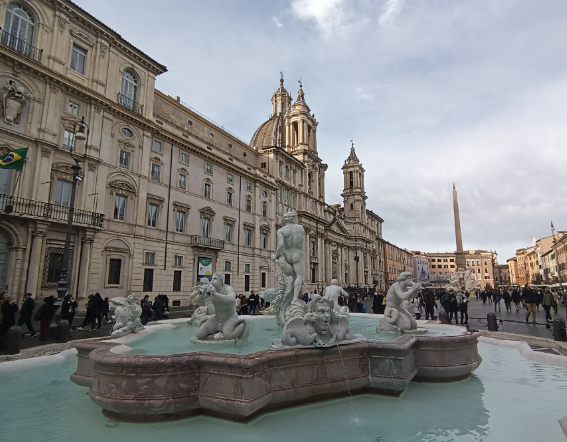
For many visitors from the United States, Rome feels both wonderfully familiar and completely different. It is a city where family meals matter, religious holidays shape the calendar, neighborhood traditions remain alive, and social life unfolds in public squares rather than behind closed doors. At the same time, Rome moves to a rhythm that can surprise American travelers: dinner starts later, coffee is served faster, conversations feel more expressive, and history is not kept behind museum glass but woven into daily life. This is exactly why Rome tours for American travelers can become much more than sightseeing. They can become a cultural encounter, a way to understand how two worlds share common values while expressing them in beautifully different ways.
Americans often arrive in Rome expecting monuments: the Colosseum, the Pantheon, the Vatican, the Trevi Fountain, and the Spanish Steps. What many do not expect is how deeply the city’s traditions shape the experience of walking through it. Rome is not simply a place to visit. It is a place to observe, taste, listen to, and slowly understand. A great tour can help American travelers recognize the subtle connections between their own customs and Roman life, from holiday rituals to family gatherings, from public celebrations to the art of spending time together.
Why Cultural Experiences Matter in Rome Tours for American Travelers
American travelers often value experiences that feel meaningful, personal, and memorable. They want more than a checklist of attractions. They want stories, context, local insight, and moments that help them feel connected to the destination. Rome is perfect for this kind of travel because the city itself is a cultural bridge. Ancient Roman traditions, Catholic rituals, neighborhood festivals, family customs, and modern Italian lifestyle all coexist in the same urban landscape.
When Americans explore Rome with a knowledgeable local guide, they begin to see the city differently. A fountain becomes a gathering place. A church becomes a living community. A piazza becomes the Roman version of a town square. A simple espresso at the bar becomes a lesson in rhythm, etiquette, and everyday identity. This is what makes Rome tours for American travelers so valuable: they transform observation into understanding.
For visitors who want to explore the city through history, culture, and authentic local storytelling, Rome Tours for American travelers offer a meaningful way to experience the similarities and differences between American and Roman traditions while discovering the Eternal City with expert guidance.
Thanksgiving and Roman Feast Days: Different Holidays, Similar Values
One of the clearest ways to compare American and Roman culture is through holidays. In the United States, Thanksgiving is one of the most beloved national celebrations. It brings families and friends together around a shared table, often with turkey, stuffing, cranberry sauce, pumpkin pie, and traditions passed down from generation to generation. While Thanksgiving is not celebrated in Rome, the values behind it feel surprisingly familiar to Roman culture: gratitude, family, food, memory, and community.
Rome has its own calendar of religious and civic celebrations, many of which carry the same emotional weight that Thanksgiving has for Americans. One fascinating example is the Festa di San Giovanni, connected to St. John the Baptist, historically celebrated with food, popular customs, religious devotion, and a strong sense of community. In older Roman tradition, the area around the Basilica of San Giovanni in Laterano became a place of gathering, celebration, and popular identity. Like Thanksgiving, the feast was not only about ritual. It was also about belonging.
The difference is in the atmosphere. Thanksgiving is often celebrated privately, inside homes, around family tables. Roman feast days, by contrast, frequently spill into the streets. They involve churches, piazzas, processions, public gatherings, bells, lights, and neighborhood life. For American travelers, this contrast is fascinating: in Rome, tradition is often public, visible, and shared with the city itself.
Fourth of July and Roman Public Celebrations
The Fourth of July is one of the most important patriotic holidays in the United States. Fireworks, parades, barbecues, flags, concerts, and community gatherings all express a strong sense of national identity. Rome does not celebrate American Independence Day, of course, but it has its own forms of public identity and civic celebration.
One example is the Festa della Repubblica, Italy’s Republic Day, celebrated on June 2. In Rome, this day includes official ceremonies, patriotic symbolism, and military tradition, especially around the area of the Altare della Patria and Via dei Fori Imperiali. For Americans, the comparison with the Fourth of July creates an immediate connection. Both holidays speak about identity, history, and the meaning of nationhood. Yet the Roman version unfolds against a backdrop that includes ancient ruins, monumental architecture, and layers of political history spanning more than two thousand years.
This is where a guided cultural tour can add depth. Standing near the Roman Forum or the Capitoline Hill, American visitors can reflect on how concepts such as citizenship, republic, law, and civic duty have traveled across centuries and oceans. The United States and Rome are not connected only by tourism. They are connected by political language, architectural inspiration, and shared ideas about public life.
Coffee Culture: American Takeaway vs. Roman Espresso Ritual
Daily habits reveal cultural differences just as clearly as holidays do. Coffee is a perfect example. In the United States, coffee is often large, portable, customizable, and designed to accompany movement. Americans drink coffee while driving, walking, working, or commuting. It is common to order a large cup to go, personalize it with milk alternatives or syrups, and carry it for an hour.
In Rome, coffee is usually shorter, faster, and more ritualized. An espresso is often consumed standing at the counter, in just a few minutes. Cappuccino is usually associated with breakfast, not after lunch or dinner. The coffee bar is not just a place to buy a drink; it is part of the neighborhood’s social rhythm. People greet the barista, exchange a few words, read the room, and move on.
For American travelers, this difference can be charming and slightly disorienting. The Roman coffee ritual teaches something essential about the city: Rome is not always slow, but it is intentional. Even quick gestures have tradition behind them. A cultural Rome tour can help visitors decode these everyday customs so they feel less like outsiders and more like curious participants in local life.
Dining Habits: Early Dinner vs. the Roman Evening Table
Another major difference between American and Roman culture is the timing and meaning of dinner. In many parts of the United States, dinner may happen around 6:00 or 7:00 PM, especially for families. Restaurants often turn tables quickly, and service is designed around efficiency. In Rome, dinner usually starts later. Many Romans eat around 8:00 or 9:00 PM, especially when going out.
The Roman table is not only about food. It is about conversation, pace, and presence. Meals are often structured in courses, and even a casual dinner may last longer than an American visitor expects. The goal is not simply to eat and leave. The goal is to spend time together.
This difference can be one of the most enjoyable cultural discoveries for American travelers. Roman dining encourages visitors to slow down, order local dishes, and let the evening unfold. Classic Roman foods such as carbonara, cacio e pepe, amatriciana, supplì, and artichokes are not just menu items. They are part of the city’s identity. Through food, travelers encounter family history, neighborhood pride, and regional tradition.
Friendship and Social Life: Private Homes vs. Public Piazzas
In the United States, social life often happens in private spaces: homes, backyards, restaurants, school events, offices, or organized gatherings. Americans are generally friendly and open, but social life is frequently planned in advance. Invitations, schedules, reservations, and group messages help organize time together.
In Rome, social life often feels more spontaneous and public. The piazza plays a central role. A Roman square is not just an architectural space; it is a social stage. People meet, talk, walk, sit, observe, argue, laugh, and return. Children play, older residents chat, couples stroll, and tourists pass through. The piazza creates a sense of shared life that many American travelers find deeply appealing.
This does not mean Romans do not value privacy. They do. But the Roman city invites people outside. Streets and squares function as extensions of the living room. For travelers from the United States, experiencing this public social culture can be one of the most memorable parts of visiting Rome. A guided tour through neighborhoods such as Trastevere, Monti, Campo de’ Fiori, or the Jewish Ghetto can reveal how social rituals change from one district to another.
Religion plays different roles in American and Roman life. The United States is religiously diverse, with many Christian denominations as well as Jewish, Muslim, Buddhist, Hindu, secular, and interfaith communities. Religious expression is often tied to local congregations, family traditions, and personal belief.
Rome, as the heart of Catholic Christianity, has a visibly different religious landscape. Churches are everywhere. Bells mark time. Saints are part of neighborhood identity. Religious art fills chapels and basilicas. Even travelers who are not religious can feel the cultural importance of sacred spaces in Rome.
For American visitors, this can be both familiar and new. Christmas, Easter, saints, processions, and church gatherings may connect with traditions they know from home, but in Rome these rituals are surrounded by centuries of art, architecture, and public devotion. Events such as the rose petal ceremony at the Pantheon during Pentecost show how faith, beauty, and civic participation can merge into one unforgettable moment.
Family is central in both American and Roman culture, but it is expressed differently. In the United States, families may be spread across states, and holidays often become the main moments of reunion. Mobility, work opportunities, college, and lifestyle choices often create geographic distance between relatives.
In Rome, family ties often remain closely connected to daily life. Sunday lunch, grandparents helping with children, multi-generational conversations, and strong neighborhood roots still play an important role. While modern Roman life is changing, the idea of family as a daily support system remains powerful.
American travelers may recognize the emotional warmth but notice the difference in frequency and structure. A Roman Sunday lunch can feel like a small cultural institution. It is not only about eating; it is about continuity. Recipes, stories, gestures, and family roles are passed down through the table. This is why food tours, neighborhood tours, and private cultural tours can be especially meaningful for Americans who want to understand Rome beyond the monuments.
Time and Pace: Productivity vs. Presence
American culture often values productivity, punctuality, speed, and convenience. Many travelers from the United States are used to efficient service, clear schedules, and practical planning. Rome operates differently. It is not that Romans do not work hard or value time. Rather, the city has a different relationship with pace.
In Rome, a walk may include an unexpected conversation, a coffee stop, a church visit, or a detour through a beautiful side street. Meals may take longer. Service may feel less rushed. A local guide may pause to tell a story that connects an ancient wall to a modern custom. For American travelers, this shift can feel refreshing once they embrace it.
Rome teaches presence. It rewards people who look up, slow down, and pay attention. The best Rome tours for American travelers are not only efficient; they are immersive. They help visitors see more while also understanding why certain places matter.
Sports, Community, and Belonging
Sports are another strong point of comparison. In the United States, football, baseball, basketball, and college sports often create powerful community identity. Tailgating, game-day rituals, team colors, and local rivalries are part of American social life.
In Rome, soccer plays a similar emotional role. Local teams, stadium culture, chants, scarves, cafés showing matches, and passionate debates create a sense of belonging that American sports fans can immediately understand. The details are different, but the emotional structure is familiar: loyalty, rivalry, pride, and shared memory.
For travelers, this comparison opens another way to understand Roman life. Culture is not only in museums. It is in the way people celebrate victories, argue about teams, gather in bars, and pass traditions from one generation to the next.
Why American Travelers Should Explore Rome Through a Cultural Tour
Rome can be visited in many ways. You can walk through the historic center, take photos of major landmarks, enjoy pasta, and see famous attractions. But if you want to truly understand the city, a cultural tour offers something deeper. It helps you connect what you see with how Romans live.
A well-designed Rome tour can show American travelers how ancient traditions still shape modern habits. It can explain why a piazza matters, why coffee is taken standing at the bar, why dinner begins later, why religious festivals remain visible, and why family meals carry such emotional weight. It can also help travelers compare these customs with their own traditions back home, creating a richer and more personal travel experience.
For Americans, this kind of tour is not about feeling like a tourist. It is about becoming a thoughtful guest. It is about recognizing both the similarities and the differences between two cultures and enjoying the discovery with curiosity and respect.
Suggested Cultural Experiences to Include in a Rome Visit
American travelers interested in authentic culture should consider including these experiences in their Rome itinerary:
- A guided walk through the historic center to understand the role of piazzas in Roman social life.
- A private Pantheon or Ancient Rome tour to connect architecture, religion, and civic history.
- A food-focused experience exploring Roman dishes and dining traditions.
- A neighborhood tour in Trastevere, Monti, or the Jewish Ghetto.
- A visit during a local feast day, religious celebration, or seasonal event.
- A sunset or evening tour to experience how Romans use public spaces after work.
- A family-friendly tour that compares Roman myths, legends, and daily life with stories familiar to American children.
Rome as a Living Conversation Between Cultures
The beauty of Rome is not only in its monuments. It is in the way the city turns daily life into culture. A coffee, a square, a meal, a feast day, a church bell, a family lunch, or a walk at sunset can all become part of the travel experience. For American visitors, Rome offers the joy of recognition and the thrill of difference. Some customs feel familiar because they reflect universal human values: family, gratitude, celebration, friendship, faith, and community. Others feel new because Rome expresses those values through its own ancient, layered, and deeply social identity.
This is why Rome tours for American travelers are so powerful. They do more than introduce visitors to landmarks. They create a bridge between cultures. They help Americans see Rome not only as a city of ruins and museums, but as a living place where traditions continue to shape everyday life.
If you are planning a trip to the Eternal City, choose an experience that lets you look beyond the surface. Walk through the piazzas, listen to the stories, taste the food, observe the rituals, and allow Rome to surprise you. The most unforgettable journeys are not only about where you go. They are about what you learn to see differently once you arrive.
