

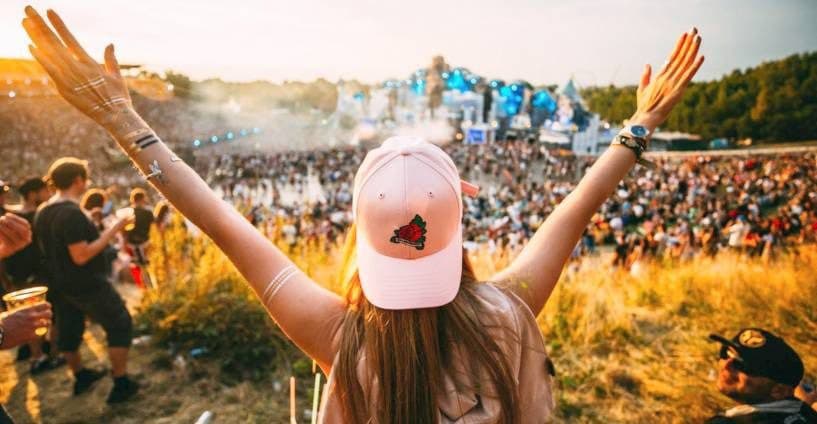
Understanding how music festivals evolved over thousands of years reveals how deeply humans are connected to rhythm, celebration, and collective experience. Early civilizations treated music as a core part of rituals, ceremonies, and community life. Today, the same spirit lives on in massive global festivals that draw millions. To explore this journey more closely, the article from MDLBEAST titled history of music festivals offers valuable insights into how these events transformed from ancient gatherings into modern cultural spectacles.
Ancient Beginnings: Music as Ritual and Identity
Music festivals did not start as entertainment events. In ancient societies, music was tied to storytelling, spirituality, and identity. Civilizations such as Greece, Egypt, Mesopotamia, and India used musical gatherings to honor gods, celebrate seasonal changes, or commemorate victories. Unlike today’s commercial festivals, these early gatherings were communal rituals with clear cultural functions.
Greece: Where Musical Competitions Took Shape
Ancient Greece played a significant role in shaping the structure of organized music events. Festivals like the Pythian Games combined musical performances with athletic competitions. Musicians presented hymns, poetic recitations, and instrumental pieces dedicated to the gods, creating an early example of integrated cultural festivals. This historical foundation is still visible today in festivals that merge music with art, sports, and cultural displays.
Far Eastern and Middle Eastern Traditions
Across Asia and the Middle East, forms of musical festivals also flourished:
- China: Traditional ceremonies centered around imperial courts, featuring orchestras and ritual performances.
- India: Ancient Vedic traditions included chanting and musical rituals tied to spiritual practices.
- Arab World: Music gatherings were linked to poetry, storytelling, and social celebrations.
These traditions shaped the identity of each society, showing that music always served as a medium for connection and expression.
The Middle Ages and Renaissance: Music Becomes Public
During the Middle Ages, music festivals began shifting from religious ceremonies to public gatherings. Europe witnessed the rise of town fairs, traveling musicians, and community celebrations that blended music with trade and social interaction. By the Renaissance, advancements in instruments and musical composition fueled a more diverse and sophisticated festival culture.
Rise of Secular Entertainment
As music spread outside religious boundaries, festivals became:
- Venues for showcasing new instruments
- Spaces for cultural exchange
- Public celebrations of craftsmanship, trade, and local identity
This period marked the beginning of festivals as social entertainment rather than purely ritual events.
Modern Foundations: The 19th and Early 20th Centuries
Technological progress and social change laid the groundwork for the modern festival experience. With improved transportation and communication, large gatherings became more feasible. Classical music festivals emerged across Europe, celebrating composers like Beethoven, Mozart, and Wagner.
Woodstock and the Birth of Modern Pop Culture Festivals
The turning point came in the late 1960s. Woodstock (1969) is widely considered the event that transformed the festival scene forever. It represented:
- Counterculture values
- Artistic freedom
- Social and political expression
- Large-scale musical collaboration
Music festivals became a platform for cultural movements, not just entertainment.
Today’s Festival Landscape: Immersive, Global, and Tech-Driven
Modern festivals have evolved into massive, highly organized experiences that incorporate technology, design, and cultural fusion. From electronic music festivals to global pop events, the diversity is unprecedented.
What Defines Today’s Festivals?
Modern festivals typically include:
- Elaborate stage designs
- Multi-day programming
- Immersive lighting and sound
- Artistic installations
- Culinary zones and cultural activities
- Social media integrations
The goal is no longer just music — it’s a fully immersive experience.
The Rise of Electronic Music Festivals
In the 21st century, electronic music festivals have taken the industry to new heights. Large-scale festivals in Europe, the Middle East, Asia, and the Americas attract millions of fans annually. They highlight how globalized the festival scene has become, blending cultures, art styles, and musical genres.
Cultural and Economic Impact
Music festivals today have significant influence:
- Economic Growth: They boost tourism, hospitality, and local businesses.
- Cultural Exchange: Festivals attract international audiences and artists, creating a unique cultural blend.
- Creative Industries: Fashion, technology, art, and media thrive around modern festival ecosystems.
- Youth Engagement: Festivals often reflect youth culture and contemporary artistic movements.
The evolution of music festivals mirrors broader social and technological changes, showing how deeply tied these events are to human progress.
Conclusion
From ancient rituals to modern-day mega-events, music festivals have always served as powerful expressions of human culture. They evolved from spiritual ceremonies and community gatherings into global celebrations that blend art, technology, and social connection. Today’s festivals offer immersive experiences that reflect both tradition and innovation, proving that music remains one of the strongest forces that bring people together across time, cultures, and generations.
