

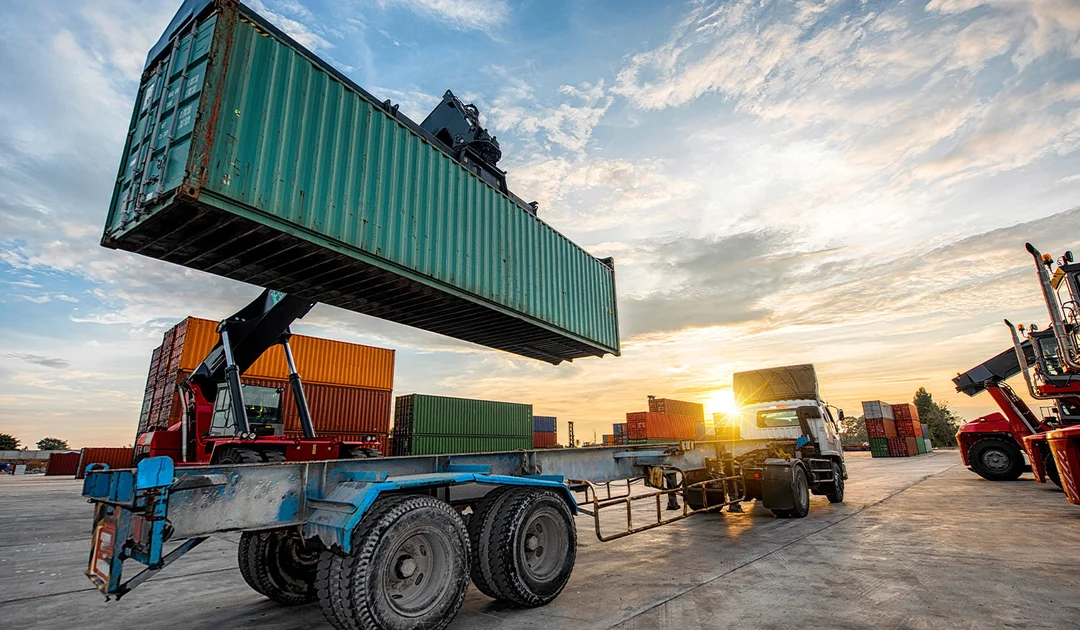
Intermodal trucking plays a vital role in modern supply chains by combining the strengths of various transportation modes to optimize efficiency, reduce costs, and improve environmental sustainability. This method involves the seamless movement of goods using multiple forms of transportation, such as trucks, trains, and ships, without directly handling the freight itself. In this blog post, we’ll explore the benefits of intermodal trucking, how it works, and tips for integrating it into your supply chain.
What is Intermodal Trucking?
Intermodal trucking refers to the transportation of cargo in standardized containers that can be easily transferred between different modes of transport. These containers, typically 20 or 40 feet long, are designed to be moved efficiently from trucks to trains to ships, reducing the need for direct handling and minimizing the risk of damage.
How Intermodal Trucking Works
1. Container Loading
Goods are loaded into a standardized container at the point of origin. The container is then sealed and transported by truck to an intermodal terminal.
2. Transfer to Rail
At the intermodal terminal, the container is transferred from the truck to a train using specialized equipment. The container remains sealed during this transfer, ensuring the security of the cargo.
3. Rail Transport
The train transports the container over long distances, often crossing state or national borders. Rail transport is cost-effective and environmentally friendly, making it ideal for long-haul segments of the journey.
4. Transfer to Truck
Upon reaching the destination intermodal terminal, the container is transferred back to a truck for the final leg of the journey. The truck then delivers the container to its final destination.
5. Container Unloading
The container is unloaded at the final destination, and the goods are delivered to the consignee. The empty container can then be returned to the intermodal terminal for reuse.
Benefits of Intermodal Trucking
1. Cost Efficiency
Intermodal trucking is often more cost-effective than using a single mode of transport for the entire journey. Rail transport, in particular, is less expensive for long-distance hauls, reducing overall transportation costs.
2. Environmental Sustainability
Combining rail and truck transport reduces the carbon footprint of the supply chain. Rail transport is more fuel-efficient and produces fewer emissions per ton-mile compared to trucking, contributing to more sustainable logistics operations.
3. Improved Reliability
Intermodal trucking leverages the strengths of each mode of transport. Railways are less affected by traffic congestion and weather conditions, providing more reliable transit times for long-haul segments.
4. Enhanced Security
Standardized containers are sealed and secured throughout the intermodal process, reducing the risk of theft and damage. This ensures the integrity and safety of the cargo from origin to destination.
5. Flexibility
Intermodal trucking offers flexibility in route planning and transportation options. It allows for efficient movement of goods over long distances while providing last-mile delivery solutions through trucking.
6. Reduced Congestion
Using rail for long-haul transport alleviates road congestion by reducing the number of trucks on highways. This leads to smoother traffic flow and reduced wear and tear on road infrastructure.
Integrating Intermodal Trucking into Your Supply Chain
1. Assess Your Transportation Needs
Evaluate your current transportation network to identify opportunities for intermodal solutions. Consider factors such as shipment volume, distance, transit time, and cost to determine the suitability of intermodal trucking for your supply chain.
2. Partner with Experienced Providers
Work with logistics providers who have experience and expertise in intermodal transportation. These providers can offer valuable insights, coordinate the different modes of transport, and ensure seamless transitions between each segment of the journey.
3. Optimize Routing and Scheduling
Optimize your routes and schedules to take full advantage of intermodal options. Use advanced transportation management systems (TMS) to plan efficient routes, track shipments, and manage logistics operations effectively.
4. Invest in Technology
Invest in technology that supports intermodal operations, such as real-time tracking, automated documentation, and communication tools. These technologies enhance visibility, improve coordination, and streamline the intermodal process.
5. Focus on Container Utilization
Maximize the utilization of standardized containers to reduce costs and improve efficiency. Properly pack and load containers to minimize empty space and ensure the safe transport of goods.
6. Monitor Performance and Adjust
Regularly monitor the performance of your intermodal transportation network. Track key metrics such as transit times, costs, and service levels to identify areas for improvement. Make adjustments as needed to optimize the efficiency and effectiveness of your supply chain.
Case Study: Successful Intermodal Integration
Company: XYZ Electronics
Challenge: XYZ Electronics faced high transportation costs and inconsistent delivery times using traditional trucking for nationwide distribution.
Solution: The company integrated intermodal trucking into its supply chain, combining rail and truck transport for long-distance shipments.
Implementation:
- Partnered with an experienced intermodal logistics provider.
- Used rail transport for long-haul segments between major distribution centers.
- Leveraged trucking for last-mile delivery to regional warehouses and retail locations.
- Implemented real-time tracking and transportation management systems.
Results:
- Reduced transportation costs by 20%.
- Improved delivery reliability with consistent transit times.
- Enhanced sustainability by reducing carbon emissions by 15%.
- Increased flexibility and scalability in logistics operations.
Conclusion
Intermodal trucking offers efficient and sustainable solutions for modern supply chains. By combining the strengths of multiple transportation modes, it provides cost-effective, reliable, and environmentally friendly options for moving goods over long distances. To successfully integrate intermodal trucking into your supply chain, assess your needs, partner with experienced providers, optimize routing and scheduling, invest in technology, and continuously monitor and adjust performance. Embracing intermodal trucking can lead to significant benefits, including cost savings, improved reliability, enhanced security, and reduced environmental impact, ultimately strengthening your overall logistics strategy.
