

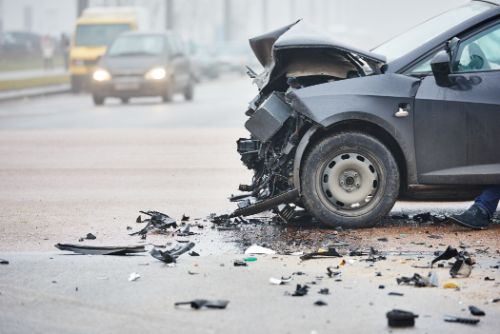
After a crash in Green Bay, you face fear, bills, and pressure to move fast. You also face one document that can shape your entire case. The police report. This report records what happened, who was involved, and what officers saw at the scene. It can support your memory when insurance companies question you. It can back up your injury claim when the other driver blames you. It can even influence whether a claim settles or goes to court. Yet many people never see their own report or do not understand what it means. This blog explains why the report matters, what it includes, and how you can use it to protect yourself and your family. You will also learn more about common mistakes that weaken a report and how to avoid them from the first minutes after a crash.
Why the Police Report Matters So Much
The police report is often the first written record of your crash. Insurance adjusters read it. Judges read it. Sometimes juries hear parts of it. You want it to be clear and complete.
The report can affect:
- Who the insurance company blames
- How fast your claim moves
- How much money the insurer offers
Some people think the report decides fault by itself. It does not. Yet it can strongly push the process in one direction. That is why you need to know what is in it and how to fix errors.
What A Green Bay Police Report Usually Includes
Most crash reports in Wisconsin follow a standard format. You can expect to see three key sections.
- Basic facts. Date, time, exact location, road and weather conditions.
- People and vehicles. Driver names, passengers, witnesses, plate numbers, insurance details.
- Officer notes. Diagrams, a short story of what happened, citations, and any signs of distraction or alcohol.
The officer may add comments such as “Driver stated they were looking at GPS” or “Witness saw vehicle run red light.” These short lines can carry heavy weight later.
How Officers Use Evidence At The Scene
Police do not see the crash happen. They arrive after. They use clues to build a picture of what took place.
- Tire marks and debris on the road
- Damage patterns on each vehicle
- Statements from drivers, passengers, and bystanders
- Traffic cameras or nearby security cameras when available
The National Highway Traffic Safety Administration explains how officers read these clues to understand crash forces and movement. You can see general crash facts at the NHTSA Traffic Safety Facts page. This kind of method shapes the story section of your report.
Common Problems That Hurt Your Case
Many errors start in the first few minutes after a crash. You may feel shock. You may want to go home. Yet your words and actions now can affect the report.
- You guess about speed or distance instead of saying “I am not sure.”
- You say “I am fine” before you feel the full effect of your injuries.
- You skip telling the officer about pain because you want to leave.
- You let the other driver speak for you.
These choices can lead to a report that looks like you agree with the other driver or that you did not feel hurt. Insurance companies often point to those lines to argue against you.
How To Protect Yourself During The Report Process
You do not control what the officer writes. You do control how you speak and what you share.
- Stay calm and give simple facts.
- Admit when you do not know something.
- Mention every body part that hurts, even if pain feels small.
- Ask how to get a copy of the report before the officer leaves.
The Wisconsin Department of Transportation explains crash reporting rules and data for the state. You can review public crash statistics at the WisDOT crash reports and data page. This shows how often certain crash patterns repeat across Wisconsin roads.
How To Get And Review Your Green Bay Police Report
After the crash, you should request your report as soon as it is ready. You can usually get it through the Green Bay Police Department records office or through the online system the department uses.
When you receive it, read it slowly. Look for three things.
- Wrong personal details such as name, address, or insurance.
- Wrong vehicle information such as make, model, or plate number.
- A story that does not match what you remember.
If you see clear mistakes, you can ask the department how to submit a correction request. The officer may add a short supplement. That update can help clear confusion later.
Comparison Table: Your Memory Versus The Police Report
| Item | Your Memory | Police Report
|
|---|---|---|
| Control | You control what you recall and share. | The officer controls what is written. |
| Timing | Can fade or change with stress and time. | Written soon after the crash and stored. |
| Use in a claim | Shared through your statements and testimony. | Used by insurers, lawyers, and courts as a reference. |
| Level of detail | May focus on pain and fear. | Focuses on facts, measurements, and citations. |
| Ability to correct | You can clarify later with clear words. | Can be updated with a supplement in some cases. |
How Police Reports Affect Insurance And Court Steps
Insurance adjusters often start with the police report. If it suggests you share some fault, they may cut your payment. If it shows the other driver ran a red light, they may offer more. The report does not end the story, but it sets the starting point.
In court, the report may guide questions for witnesses and officers. It may point lawyers to missing facts. It can also show if stories change over time. That can help or hurt you.
Key Steps You Can Take Today
You cannot undo a crash. You can take steady steps to guard your future.
- Call 911 after any crash with injury or clear damage.
- Tell the officer the truth and keep your words short.
- Ask how and when to get your police report.
- Read it, note errors, and request fixes where possible.
- Keep a folder with the report, photos, bills, and doctor notes.
A police report is not just paperwork. It is a core record of one of the hardest days of your life. When you respect its power and treat each step with care, you give yourself and your family a stronger base for healing and recovery.
