

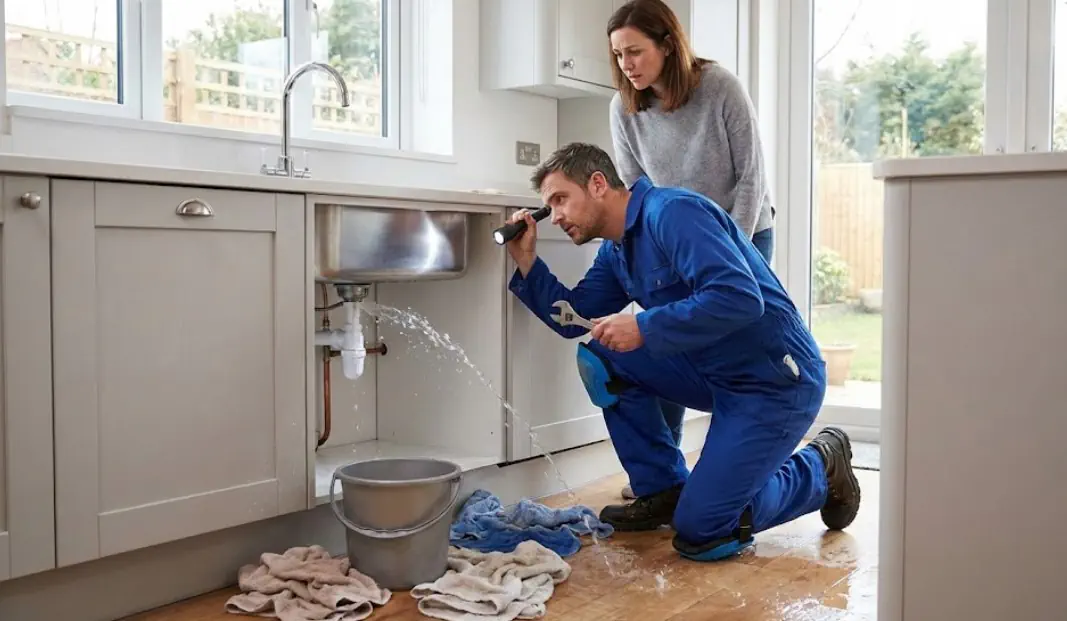
Plumbing emergencies can arise with little warning, leaving homeowners scrambling to prevent water damage and costly repairs. Whether it is a sudden burst pipe, a clogged drain, or a gas leak, quick action can save you stress and money. Knowing what to do in these moments ensures your home stays safe and your plumbing system is protected. If you are caught off guard by a plumbing crisis, it is helpful to have the number of an emergency plumber in St George Utah, readily available.
This guide explains the most common plumbing emergencies and provides detailed steps to respond effectively. Preparedness, along with regular home maintenance, goes a long way toward preventing plumbing disasters and minimizing damage to your property.
Burst Pipes
When a pipe bursts, fast action is crucial to avoid water damage to floors, walls, and possessions. Start by shutting off the main water valve immediately to stop the flow at its source. Then open the sinks and faucets to drain the remaining water from the pipes. Use towels to contain standing water until a plumber arrives.
- Shut off the main water supply valve.
- Turn on faucets to relieve pressure and drain water.
- Contact a professional plumber as soon as possible for emergency repair.
Insulating pipes and regularly checking for leaks are vital steps to prevent future bursts, especially in areas of your home prone to freezing temperatures.
Overflowing Toilets
An overflowing toilet can create a hazardous, unsanitary situation in an instant. Quickly locate the water supply valve, usually found behind the toilet, and turn it off. Use a plunger to attempt to clear the blockage, but avoid flushing again, as this will only worsen the overflow.
- Switch off the supply valve behind the toilet.
- Attempt plunging to clear simple clogs.
- If you cannot resolve the issue, call a plumber to avoid further damage.
Avoid frequent toilet overflows by keeping foreign objects and excessive paper out of the bowl and performing routine maintenance.
Clogged Drains
Clogged drains lead to backups and disrupt daily routines. Begin with a plunger to loosen the obstruction; if that does not work, try a plumbing snake. Refrain from using chemical drain cleaners, as they can corrode your pipes and cause additional issues over time.
- Plug the drain to remove any visible blockage.
- Use a snake for deeper, persistent clogs.
- Keep drains free from grease, hair, and large food scraps to prevent future problems.
Most problems are avoidable with simple preventative habits and timely intervention when signs of slow drainage first appear.
Water Heater Malfunctions
Loss of hot water or visible leaks from the tank demand immediate attention. For gas units, check the pilot light first. If it is out or you see water pooling at the base, turn off the unit and call a professional, as these issues may indicate unsafe conditions or potential hazards. If you rely on hot water for everyday tasks, maintenance and annual inspections can help you avoid sudden outages.
- Check for a working pilot light (gas units).
- Look for any leaks or rust near the base.
- Contact a licensed plumber or technician if problems persist.
Sewer Backups
Sewer line backups pose serious health risks; do not use sinks, toilets, or drains until the issue is resolved. Block off the affected area and keep family members and pets away. Contact a plumber specializing in sewer repairs, as these issues require professional equipment and expertise.
- Stop using all plumbing fixtures.
- Call a professional to address the blockage and prevent exposure to hazardous waste.
- Keep children and pets out of affected rooms.
Preventive rooter service and avoiding flushing non-degradable items can help reduce the risk of future backups.
Gas Leaks
Gas leaks are highly dangerous and require immediate evacuation. Do not use any electronics or open flames while exiting the building. Once you are safe, call your utility provider and emergency services from a secure location.
- Evacuate occupants right away.
- Do not turn on lights or ignite open flames.
- Contact your gas company and emergency services from outdoors or a neighbor’s home.
Regular professional inspections ensure your gas lines remain leak-free and safe over time.
Frozen Pipes
Pipes that freeze during winter are at risk of bursting as the water expands. Keep home temperatures consistent, and open cabinet doors under sinks to circulate warm air. Let a trickle of water run through exposed pipes to prevent freezing. If a pipe is already frozen, use gentle heat from a hair dryer or heating pad. Never use an open flame to thaw pipes.
- Open cabinets under sinks on cold nights.
- Let faucets drip to keep water circulating.
- Thaw frozen pipes slowly with indirect heat.
Insulate pipes in basements, attics, and exterior walls to protect them during extreme cold spells.
Sump Pump Failure
Sump pumps keep basements dry in severe storms or rapid snowmelts. If your pump fails, check for a tripped circuit, ensure it is plugged in, and inspect the discharge hose for possible blockages. If the pump is not working after these checks, seek immediate professional repair or replacement.
- Check the sump pump’s power source.
- Examine the discharge hose for debris or clogs.
- Have a plumber service the unit if it fails to operate.
Testing your sump pump before rainy seasons ensures it can protect your home from flooding and water damage.
Preparation makes all the difference in preventing plumbing emergencies from escalating into costly disasters. Know where your shutoff valves are, keep basic tools handy, and establish a relationship with a trusted local plumber. For ongoing maintenance advice and plumbing safety tips, visit reputable sources such as Family Handyman or This Old House.
