

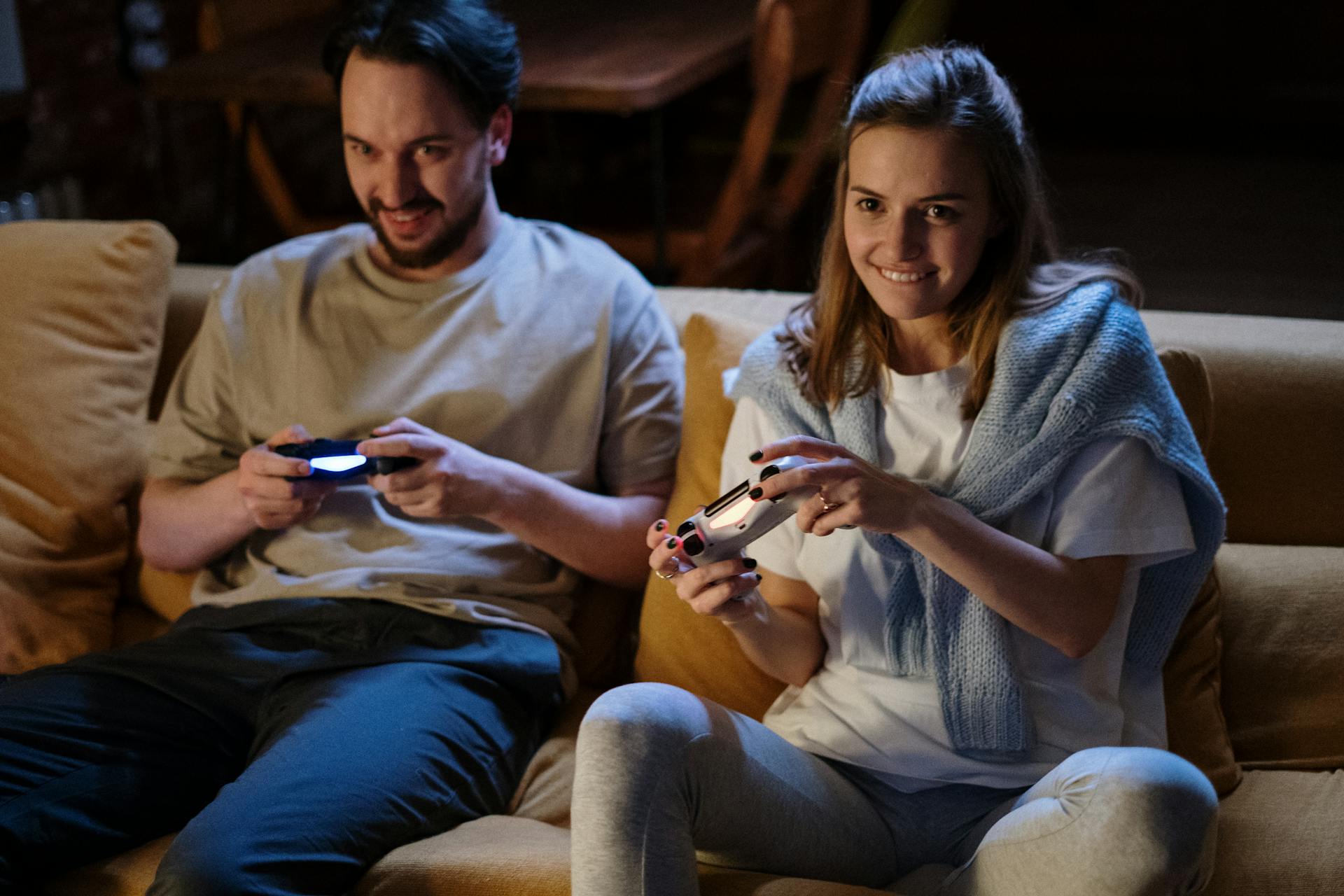
Over the past two decades, online gaming has evolved from a niche hobby into a global phenomenon that captivates millions of players daily. The rapid advancement of technology, coupled with the growing accessibility of high-speed internet, has made it possible for people of all ages and backgrounds to engage in this virtual form of entertainment. Online gaming is no longer just a pastime; it has become a cultural and social force that influences various aspects of modern life, including communication, entertainment, and even professional careers.
The Evolution of Online Gaming
The origins of online gaming can be traced back to the late 20th century when multiplayer games began to emerge on early computer networks. Games like “MUDs” (Multi-User Dungeons) in the 1970s and “Doom” in the 1990s allowed players to connect and compete with one another in virtual worlds. However, the real explosion in online gaming popularity began in the early 2000s with the rise of broadband internet and the launch of massively multiplayer online role-playing games (MMORPGs) like “World of Warcraft.”
These games offered expansive virtual worlds where thousands of players could interact in real-time, creating a sense of community and competition that was previously unimaginable. The success of MMORPGs laid the foundation for the diverse and expansive online gaming ecosystem we see today.
Factors Driving the Popularity of Online Gaming
- Technological Advancements: The development of high-performance gaming consoles, powerful PCs, and mobile devices has made gaming more accessible and immersive than ever before. The introduction of cloud gaming services, such as Google Stadia and Microsoft’s Xbox Cloud Gaming, has further democratized access to high-quality gaming experiences, allowing players to stream games without the need for expensive hardware.
- Social Interaction: Online gaming has become a social activity, where players can connect with friends and strangers alike. Platforms like Discord, Twitch, and in-game chat systems enable players to communicate, strategize, and build relationships, turning gaming into a communal experience. This social aspect is particularly appealing in a world where physical interactions have been limited due to factors like the COVID-19 pandemic.
- Esports and Competitive Gaming: The rise of esports has transformed online gaming into a legitimate professional career path. Competitive gaming tournaments now attract millions of viewers and offer substantial prize pools, with games like “League of Legends,” “Fortnite,” and “Counter-Strike: Global Offensive” leading the charge. The professionalization of gaming has inspired a new generation of players to hone their skills and compete at the highest levels.
- Variety of Game Genres: The online gaming landscape offers something for everyone, regardless of their preferences. From fast-paced first-person shooters and strategy games to relaxing simulation and puzzle games, the diversity of genres ensures that there is a game for every type of player. This variety has broadened the appeal of online gaming, attracting a wide demographic.
- Monetization and Free-to-Play Models: The introduction of free-to-play games with microtransactions has made gaming more accessible to a broader audience. Games like “Fortnite” and “Apex Legends” offer high-quality experiences without upfront costs, making them appealing to players who might not have the budget for full-priced games. In-game purchases for cosmetic items, battle passes, and additional content have proven to be lucrative for developers, driving the continued growth of the industry.
- Streaming and Content Creation: Platforms like Twitch, YouTube Gaming, and Facebook Gaming have given rise to a new breed of content creators who entertain and engage audiences by streaming their gameplay. This has further popularized online gaming, as viewers are drawn to the personalities and communities built around these streams. The ability to share gameplay experiences with a global audience has made gaming a more interactive and engaging medium.
The Cultural Impact of Online Gaming
Online gaming has transcended its status as mere entertainment to become a significant cultural force. It has influenced fashion, music, and even language, with gaming terminology and memes permeating popular culture. Events like Fortnite’s in-game concerts, which feature major artists performing for millions of virtual attendees, illustrate the blending of gaming with other entertainment forms.
Moreover, online gaming has also become a platform for social and political expression. Games like “Animal Crossing: New Horizons” have been used for virtual protests, political campaigns, and community gatherings, highlighting the medium’s potential for more than just recreation.
Challenges and Criticisms
Despite its popularity, online gaming is not without its challenges and criticisms. Concerns about addiction, particularly among younger players, have sparked debates about the potential negative impact of gaming on mental health. Issues related to toxicity and harassment in online communities continue to plague the industry, prompting developers to implement stricter moderation policies and tools.
Additionally, the rise of microtransactions and loot boxes has led to discussions about the ethical implications of monetizing gameplay, especially in games targeted at younger audiences. Critics argue that these practices can encourage gambling-like behaviour, leading to calls for greater regulation and oversight.
The Future of Online Gaming
As technology continues to advance, the future of online gaming looks incredibly promising. Virtual reality (VR) and augmented reality (AR) are poised to revolutionize the way we experience games, offering even more immersive and interactive environments. The ongoing development of artificial intelligence (AI) will also likely lead to more sophisticated game design, with dynamic and adaptive gameplay experiences.
Moreover, the integration of blockchain technology and non-fungible tokens (NFTs) into gaming is opening up new possibilities for player ownership and decentralized economies within virtual worlds. These innovations could fundamentally change the relationship between players and the games they play, creating new avenues for creativity, commerce, and community building.
The increasing popularity of online gaming is a testament to the medium’s versatility, accessibility, and ability to bring people together. From casual mobile games to slot gacor, online gaming has something to offer everyone, making it a central part of modern entertainment culture. As the industry continues to grow and evolve, it will undoubtedly play an even more significant role in shaping the future of how we interact, entertain, and express ourselves in the digital age.
