

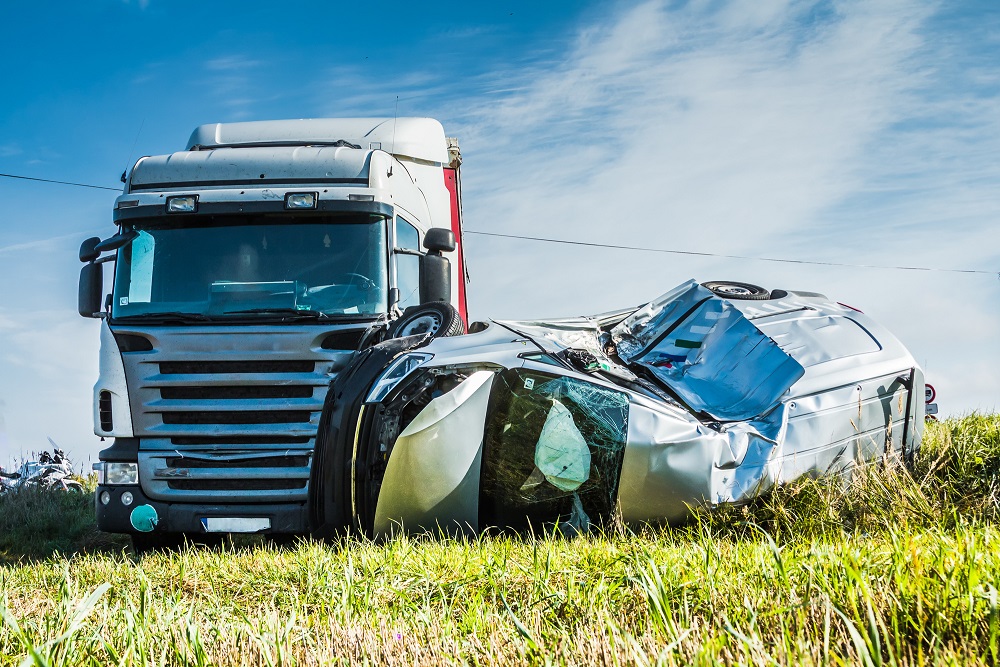
A semi truck hits you. The crash is loud, heavy, and sudden. Afterward, you face hospital bills, lost work, and questions that will not stop. You might ask who is responsible. You might feel pressure from insurance companies and trucking companies. You might feel alone. You are not. Several people or companies can share fault after a semi truck crash. A careless driver. A company that pushed unsafe schedules. A shop that skipped needed repairs. Even a parts maker that sold a bad brake. Each one may carry legal blame. Each one may owe you money for what you lost. Gardner Trial Attorneys understands how fast evidence disappears and how quickly blame shifts. This guide explains who may be held liable and what that means for you. It helps you protect your rights, your income, and your body after a semi truck accident.
Why Semi-Truck Crashes Are Different From Car Crashes
A semi truck can weigh 20 times more than a car. That size turns a simple mistake into life changing harm. You may face long care, long pain, and long time away from work.
Here is what makes these crashes different.
- More laws and safety rules apply to trucks
- More people take part in each trip
- More insurance policies may cover the crash
The Federal Motor Carrier Safety Administration explains rules for truck drivers, hours on the road, and drug tests. You can read more at the official FMCSA site here: https://www.fmcsa.dot.gov/regulations.
Common Parties Who May Be Held Liable
Several people or companies may share fault. You may not know who they are at first. A careful review can uncover them.
Possible Liable Parties After a Semi-Truck Accident
| Party | Role in the Crash | Simple Example of Fault |
|---|---|---|
| Truck driver | Controls the truck on the road | Texting while driving and rear ends your car |
| Trucking company | Hires and supervises drivers | Pushes a driver to skip sleep to meet a deadline |
| Cargo or loading company | Loads and secures freight | Stacks freight unevenly so the trailer tips during a turn |
| Truck owner or leasing company | Owns the truck and may handle upkeep | Ignores brake warnings and keeps the truck on the road |
| Repair shop | Repairs and inspects the truck | Fails to tighten a key part that later breaks |
| Parts or tire maker | Designs and builds truck parts | Sells a faulty tire that blows out under normal use |
| Other drivers | Share the road with the truck | Cuts off the truck and triggers a chain crash |
When the Truck Driver May Be Liable
The driver is often the first person you think about. The law can find a driver at fault when the driver:
- Speeds or follows too close
- Drives while tired or under drugs or alcohol
- Texts, eats, or reaches for items while driving
- Ignores bad weather or road work signs
Police reports, dash cameras, and phone records can show what happened. Witness statements add strength. You should ask for copies of these records as soon as you can.
When the Trucking Company May Be Liable
The trucking company often carries most of the money and power. The company may share blame when it:
- Hires drivers with unsafe records
- Fails to train drivers on safe driving and inspection steps
- Pushes drivers to break hours of service rules
- Skips routine checks or keeps unsafe trucks on the road
The FMCSA sets rules for how long a driver can work and when a driver must rest. Those rules try to cut down on crashes from tired drivers. You can see a clear summary here from the U.S. Department of Transportation: https://www.transportation.gov/mission/safety.
When Loaders, Owners, and Shops May Be Liable
Not every mistake happens behind the wheel. Some start in the loading yard or repair bay.
Cargo or loading companies may be at fault when they:
- Overload the trailer
- Fail to tie down freight
- Ignore weight limits for bridges or roads
Truck owners or leasing companies may be at fault when they:
- Skip regular checks
- Delay needed repairs
- Rent trucks that fail basic safety rules
Repair shops may be at fault when they:
- Use poor quality parts
- Ignore clear signs of wear
- Sign off on fake or rushed inspections
When Parts Makers May Be Liable
Some crashes start with a part that never worked right. That can include:
- Brakes that fail under normal use
- Tires that blow out at safe speeds
- Steering parts that break without warning
In those cases the focus is on design, testing, and warnings. Records from the maker and recall notices can be key.
How Fault and Compensation Often Work
More than one party can share blame. Your share of recovery can change based on how fault is split. The table below gives a simple example. It is not legal advice. It only helps you picture how fault can spread.
Sample Fault Split and Possible Impact on Recovery
| Party | Percent of Fault | Role in Scenario |
|---|---|---|
| Truck driver | 50% | Drove too fast in rain and lost control |
| Trucking company | 30% | Forced tight schedule that led to speeding |
| Repair shop | 20% | Missed worn tires during a recent visit |
Your state law controls how this split changes your claim. Some states reduce your payment if you share any fault. Other states block recovery if your share is too high. You should ask a lawyer in your state how these rules apply.
Steps You Can Take After a Semi-Truck Accident
You may feel numb, angry, or scared. You still can take simple steps that protect your claim.
- Call 911 and ask for medical help and police
- Accept medical care even if you feel fine at first
- Take photos of all vehicles, skid marks, and road signs
- Collect names and contact details for witnesses
- Do not give recorded statements to any insurer before you are ready
- Keep bills, pay stubs, and notes about pain and limits
Why Acting Early Matters
Time can erase proof. Weather clears skid marks. Cameras record over old video. Witnesses forget small details that matter.
Quick action helps you:
- Secure driver logs and truck data recorders
- Preserve repair and loading records
- Document your injuries and recovery path
Your life changed in one crash. You deserve clear answers about who holds blame. You also deserve a fair chance to rebuild your health and your income. Careful work can uncover each party who played a part and can help you seek payment from every one of them.
