

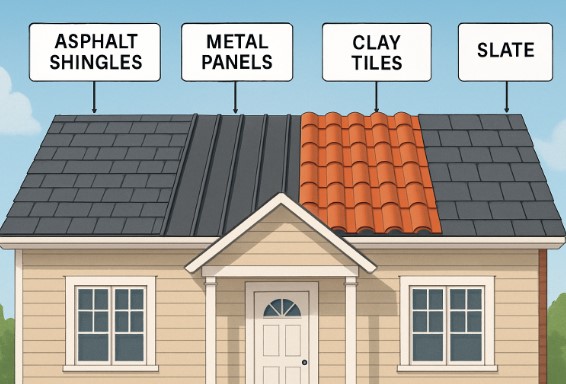
When you invest in a roof for your home, the longevity, protection, and style of your property all depend on the material you choose. Your selection not only determines how well your home is shielded but also affects its energy efficiency and curb appeal. Homeowners seeking residential roof replacements should carefully evaluate their options to ensure a lasting, cost-effective result.
The right roofing can dramatically increase a property’s value while minimizing maintenance needs and energy costs. With so many material options, it’s important to closely examine how each performs in specific climates, its lifespan, and the level of upkeep it requires. This guide will break down the essential considerations to help you confidently choose the best roof for your needs and region. Whether you prioritize sustainability, savings, or visual harmony with your neighborhood, making an informed decision starts with knowing your options.
Thoroughly weighing all of these factors not only boosts your satisfaction but can reduce future headaches caused by repairs or premature replacements. Staying mindful of appearance, budget, and local building codes will further guide you to the most balanced solution for your home. With careful planning, you can secure a roof that combines form and function, protecting your family for years to come.
Contents
Climate Considerations
Weather patterns are among the most crucial factors in selecting roofing materials. In humid or rainy regions, materials with high water resistance, such as metal or slate, are recommended for their resistance to mold and moisture damage. In contrast, homes in desert climates benefit from light-colored clay or concrete tiles that can reflect sunlight and withstand high temperatures. In areas susceptible to hurricanes or strong winds, impact-resistant asphalt shingles or reinforced metal roofs offer greater protection and safety.
Longevity and Durability
Homeowners naturally seek out a roofing solution that lasts for decades with minimal repairs. Asphalt shingles remain the most popular choice due to their affordability and typical lifespan of 20-30 years. Metal roofing stands out for its 40-70-year lifespan and impressive resistance to wind, fire, and hail. If you want a roof that will last for generations, slate and clay tiles are nearly unbeatable, often lasting 50 years or more. Each option has different installation requirements and may require specific structural support due to weight, so consulting a local expert is always recommended.
Energy Efficiency
Selecting the right roof can directly impact your monthly energy bills. Energy-efficient materials like metal and cool roof coatings reflect more solar energy, keeping homes cooler and reducing the need for air conditioning. Clay and concrete tiles naturally insulate, helping regulate indoor temperatures year-round. Investing in these options not only benefits the environment by reducing energy consumption but also offers the potential for tax credits and higher resale value.
Maintenance Requirements
The level of upkeep your roof requires should align with your lifestyle and long-term plans for your home. Metal, slate, and composite shingles typically require less maintenance and fewer repairs over time, making them a favorite among busy homeowners. On the other hand, asphalt shingles and wood shakes may require regular inspection and treatment to prevent issues such as rot, algae, or moss buildup. If you want a low-maintenance solution, steer clear of materials that require frequent replacement or special cleaning products. Factoring in future labor and supply costs can prevent surprises and help keep your roof in optimal condition with less hassle.
Aesthetic Appeal
Roofs are central to your home’s exterior style. Matching the material and color to your home’s architecture will enhance its appearance and even influence neighborhood value. Asphalt shingles offer versatile looks for traditional homes, while metal roofs suit modern, rustic, or industrial styles. Mediterranean homes are perfectly accented by clay tiles, while slate roofs exude elegance for historic or luxury residences. Remember that color matters, too. Lighter hues reflect heat and can make your home appear lighter, while deeper colors make a bold statement.
Budget Considerations
While initial costs are a major consideration when selecting a roof, focusing solely on installation costs can lead to higher expenses later. Asphalt shingles and basic metal roofing are attractive for their affordability, but premium choices like clay, slate, or high-end composites yield greater returns through increased longevity, energy savings, and curb appeal. Carefully calculate expected maintenance, repairs, and replacement frequency before making a final decision. Choosing the best material for your climate and needs ensures you get the best value, not just the lowest price.
Overall, making the right choice for your roofing material means looking beyond price and style. Consider climate, lifespan, energy savings, upkeep, and matching the look to your neighborhood. Prioritizing these key elements helps you enjoy your investment for many years and protects your home against whatever the weather brings.
