

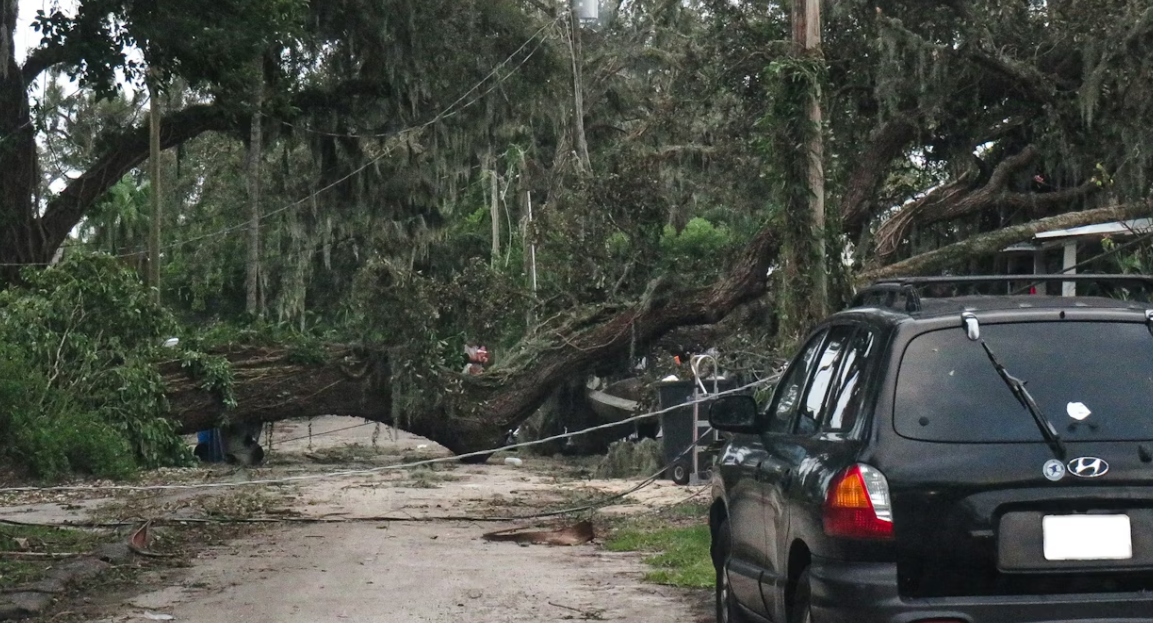
Living in hurricane-prone regions means homeowners need to stay one step ahead of Mother Nature’s most powerful storms. Every year, hurricanes wreak havoc on coastal communities, causing billions in property damage and putting countless families at risk. The good news? Properly preparing your home before hurricane season hits can dramatically reduce the potential for catastrophic losses. Think of it as building a fortress around your most valuable investment, your home and the memories it holds.
Strengthening Your Roof and Attic
Your roof isn’t just the top of your house, it’s the shield that stands between your family and the full fury of a hurricane. Start with a thorough inspection to spot any loose, damaged, or missing shingles that could become weak points when winds start howling. Upgrading to impact-resistant roofing materials designed specifically for hurricane conditions is one of the smartest investments you can make. When protecting coastal properties from extreme weather events, homeowners who need long-term durability often choose hurricane resistant roofing for maximum protection. Don’t overlook the importance of hurricane straps or clips that directly connect your roof to the walls, these create what engineers call a “continuous load path, ” which dramatically reduces the risk of your roof lifting off during extreme winds. Make sure your attic has proper ventilation while sealing any gaps that could let wind-driven rain sneak inside. Here’s a bonus: many insurance companies offer premium discounts for homes with certified wind-resistant roofing systems, so this upgrade can actually save you money in the long run.
Securing Windows and Doors
Windows and doors are like the chinks in your home’s armor, they’re where hurricanes often find their way in, and once that happens, the interior pressurization can cause catastrophic structural damage. Installing permanent storm shutters, impact-resistant windows, or removable plywood panels will protect all your windows and glass doors from flying debris and intense wind pressure. Garage doors deserve special attention since they’re particularly vulnerable to wind damage and may need bracing systems or upgrades to wind-rated models that meet current building codes. Every exterior door should have heavy-duty deadbolts and reinforced hardware to keep wind from forcing them open when the storm reaches its peak.
Reinforcing Exterior Structures and Landscaping
What’s happening outside your home can either bolster your hurricane defenses or create dangerous vulnerabilities, the choice is yours. Take the time to trim all trees and remove dead branches that could fall on your roof or become airborne projectiles during high winds. Outdoor furniture, decorations, grills, and other loose items might seem harmless, but they can turn into wind-blown missiles capable of shattering windows or damaging your siding. Anchor sheds, playsets, and other structures to concrete foundations using ground anchors or heavy-duty tie-down straps specifically designed for high-wind situations.
Protecting Critical Home Systems
Your home’s essential systems and utilities need protection too, since safeguarding them helps minimize damage and gets you back to normal life faster after a storm passes. Elevate air conditioning units, generators, and other mechanical equipment above potential flood levels to avoid water damage and expensive replacements. A sump pump with battery backup is worth its weight in gold in flood-prone areas, and backflow valves can prevent sewage backup during storms, definitely not something you want to deal with. Secure your water heater with straps anchored to wall studs, since unsecured units have a tendency to topple during extreme weather events.
Creating an Emergency Supply Kit and Documentation
True hurricane preparedness goes well beyond physical home improvements, it includes having essential supplies and important documentation ready to go at a moment’s notice. Put together an emergency kit with non, perishable food, water, medications, flashlights, batteries, first aid supplies, and important documents all stored in waterproof containers. Create a detailed home inventory using photographs or video recordings of your property and its contents, then store copies both digitally in cloud storage and physically somewhere safe away from your home. Now’s the time to review your homeowner’s insurance policy so you understand coverage limits, deductibles, and specific requirements for hurricane claims, and don’t forget that flood insurance is a separate policy you’ll need to purchase independently.
Conclusion
Hurricane proofing your home isn’t a one-and-done project, it’s a comprehensive approach that combines smart structural improvements, diligent maintenance, and thorough emergency planning. By systematically addressing each vulnerable area of your property, from the roof down to the landscaping, you’re dramatically increasing your home’s ability to weather these powerful storms. The money and time you invest in hurricane preparedness measures does more than just protect your property and possessions, it provides that invaluable peace of mind when hurricane season rolls around. Getting started well before storm season arrives gives you the luxury of completing improvements at your own pace and avoiding the last-minute rush when supplies vanish from shelves and contractors are completely overwhelmed.
