

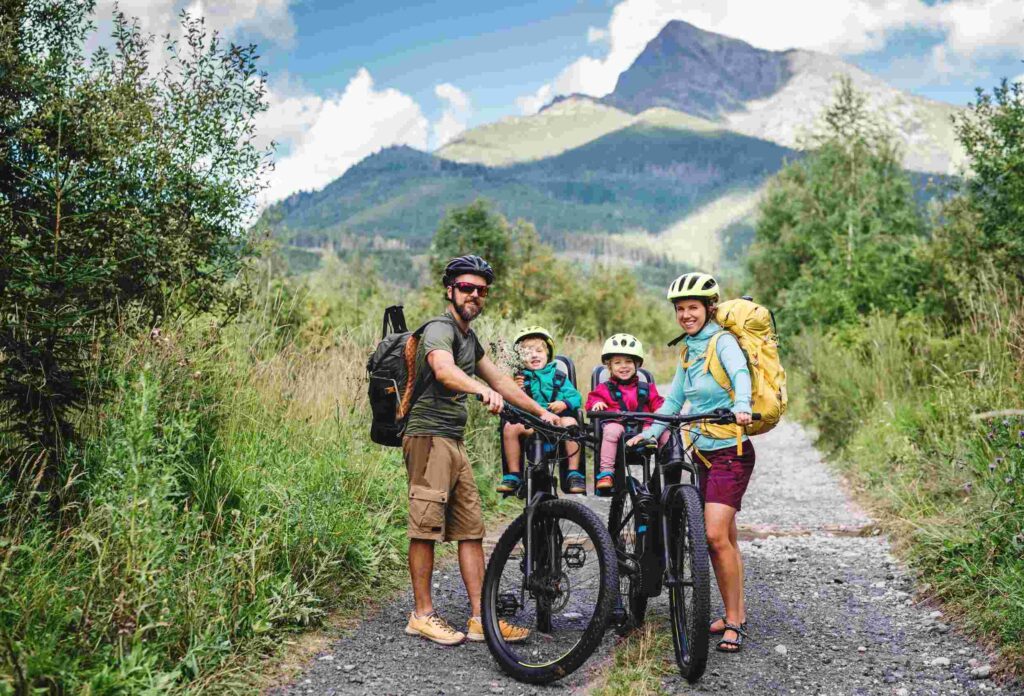
When planning a cycling trip, whether it’s a weekend getaway or a month-long adventure, ensuring you have the right insurance is crucial. Bike travel insurance can protect you from various unforeseen issues and provide peace of mind throughout your journey. This guide will help you understand what to look for in bike travel insurance, so you can choose the best policy for your needs.
Understanding Bike Travel Insurance
Bike travel insurance is designed specifically for cyclists. It covers a range of potential issues you might face while traveling with your bike. This can include medical emergencies, trip cancellations, lost or stolen equipment, and more. Unlike regular travel insurance, bike travel insurance is tailored to address the unique risks associated with cycling.
Why You Need Bike Travel Insurance
Cycling trips often take you to remote areas or unfamiliar places where access to medical facilities or bike repair services might be limited. Here are a few reasons why having bike travel insurance is important:
- Medical Emergencies: If you get injured while cycling, insurance can cover medical expenses that may not be covered by your standard health insurance.
- Trip Cancellation: If you have to cancel your trip due to unforeseen circumstances, bike travel insurance can help cover your non-refundable costs.
- Bike Theft or Damage: Insurance can protect you if your bike gets stolen or damaged during your trip, which is especially important for high-end or custom bikes.
- Emergency Assistance: Many policies offer 24/7 emergency assistance, including evacuation services if needed.
What to Look for in Bike Travel Insurance
When choosing bike travel insurance, consider the following factors to ensure you get the best coverage:
1. Coverage for Medical Expenses
Ensure that your policy covers medical expenses related to cycling injuries. Look for coverage that includes hospital stays, doctor visits, and emergency medical evacuation if needed. Some policies may also cover emergency dental treatment, which can be useful if you have an accident that affects your teeth.
2. Coverage for Bike Damage or Theft
Check if the policy covers theft, loss, or damage to your bike and accessories. Some policies offer protection for bikes up to a certain value, while others provide coverage for a wider range of equipment, including helmets and cycling gear. Make sure to read the fine print to understand any exclusions or limitations.
3. Trip Cancellation and Interruption
Look for coverage that includes trip cancellation and interruption. This can help you recover non-refundable expenses if you have to cancel your trip due to illness, injury, or other covered reasons. Some policies also offer reimbursement for additional travel expenses if your trip is interrupted.
4. 24/7 Emergency Assistance
Having access to 24/7 emergency assistance can be a lifesaver if you encounter problems during your trip. This service can help you find medical facilities, arrange transportation, and provide support in case of emergencies. Make sure the policy you choose offers comprehensive assistance services.
5. Personal Liability Coverage
Personal liability coverage protects you if you accidentally cause injury to another person or damage their property while cycling. This is especially important if you are traveling in a country with strict liability laws. Check if the policy includes personal liability coverage and understand the limits.
6. Policy Limits and Exclusions
Carefully review the policy limits and exclusions to ensure you are adequately covered. Pay attention to any exclusions related to pre-existing conditions, high-risk activities, or specific types of bike riding. Knowing these details will help you avoid surprises if you need to make a claim.
Comparing Bike Travel Insurance Policies
When comparing different bike travel insurance policies, consider the following steps to find the best one for your needs:
1. Assess Your Needs
Determine what coverage is most important for your trip. If you’re going on a long-distance ride or traveling internationally, you might need more comprehensive coverage than if you’re taking a short, local trip.
2. Get Multiple Quotes
Obtain quotes from multiple insurance providers to compare costs and coverage options. This will help you find a policy that offers the best value for your money. Be sure to compare policies with similar coverage to make an accurate comparison.
3. Read Reviews and Ratings
Check reviews and ratings of insurance providers to gauge their reputation and customer service. Look for feedback from other cyclists who have used their bike travel insurance. This can provide insights into how well the insurer handles claims and customer support.
4. Check for Additional Benefits
Some insurance policies offer additional benefits such as coverage for bike rental, trip interruption, or travel delays. Consider these extras when comparing policies, as they can add value to your coverage.
5. Consult with an Expert
If you’re unsure which policy is right for you, consider consulting with an insurance broker or expert. They can help you navigate the different options and find a policy that meets your specific needs.
How to Purchase Bike Travel Insurance
Once you’ve chosen the best bike travel insurance policy for your needs, follow these steps to purchase it:
- Fill Out the Application: Provide the necessary information about your trip, including dates, destinations, and details about your bike.
- Review the Policy: Carefully review the terms and conditions of the policy before making a purchase. Ensure that all the coverage you need is included and that you understand any exclusions.
- Make the Payment: Pay for the policy using a secure payment method. Most insurance providers accept credit cards or electronic payments.
- Keep Documentation: After purchasing the policy, keep a copy of the policy documents and any confirmation emails. It’s essential to have these documents on hand in case you need to make a claim.
Conclusion
Choosing the best bike travel insurance for your cycling trip is an essential part of your travel planning. By understanding what to look for in a policy and comparing different options, you can ensure that you have the right coverage to protect yourself and your bike. Whether you’re cycling through scenic trails or exploring new cities, having the right insurance will give you peace of mind and allow you to focus on enjoying your adventure.
Remember, bike travel insurance is not just about protecting your bike; it’s about safeguarding your entire trip. So take the time to find the policy that best suits your needs and ensures a worry-free cycling experience.
