

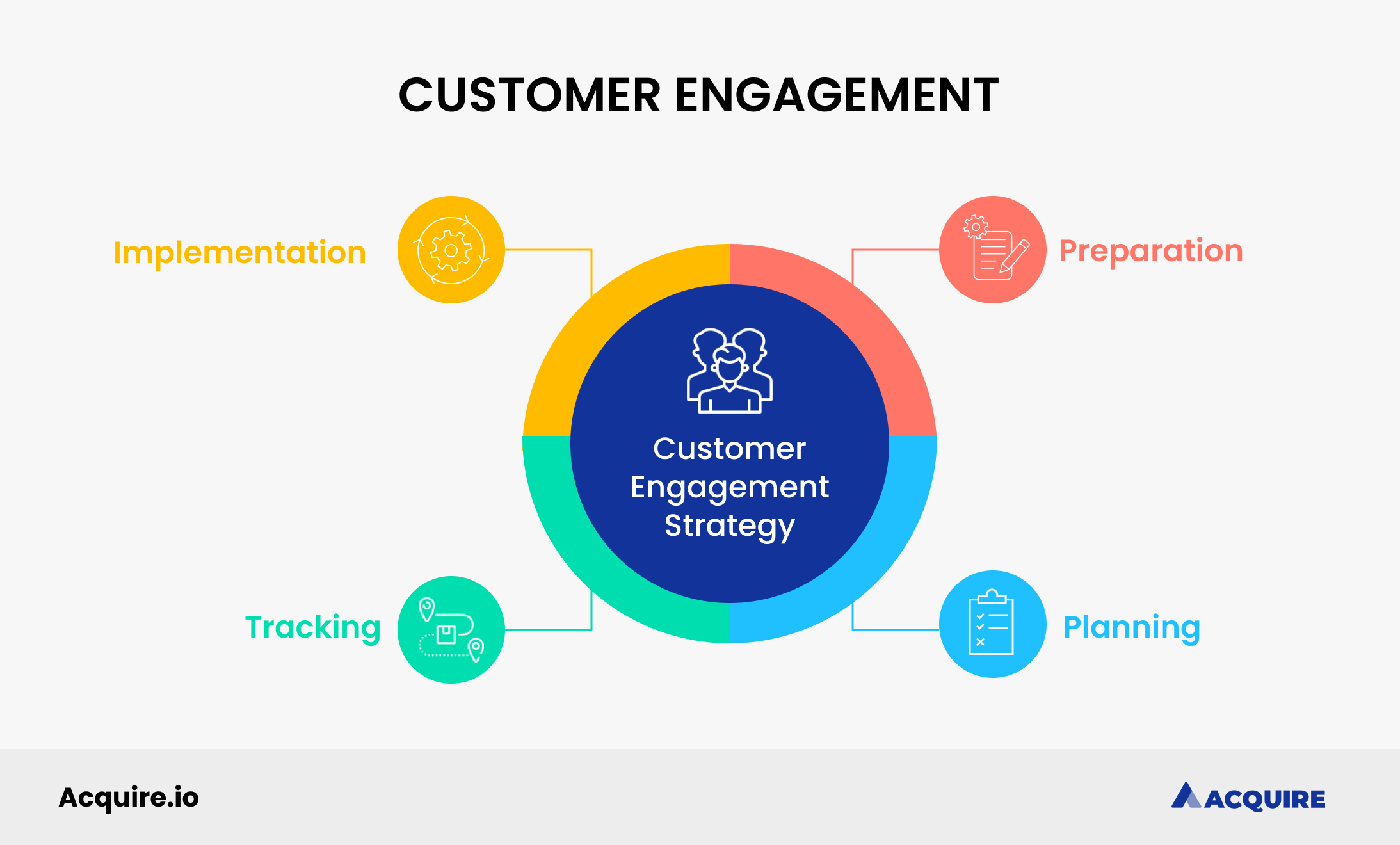
Understanding customer behavior and preferences has become more crucial than ever. Companies are leveraging various technologies to enhance their engagement strategies, and one of the most transformative tools available is conversation analytics. By analyzing customer interactions across multiple channels, businesses can gain critical insights that shape their engagement approaches, optimize customer experiences, and ultimately drive loyalty and revenue.
Understanding Conversation Analytics
Conversation analytics refers to the systematic examination of customer interactions, whether through voice calls, chats, emails, or social media. This analytical process involves using advanced technologies such as natural language processing (NLP) and machine learning to extract meaningful data from unstructured conversations. The insights gleaned from these interactions can inform everything from product development to customer service strategies, making it a powerful asset in understanding the customer journey.
As consumers increasingly favor real-time communication through various platforms, companies must adapt their engagement strategies to meet these expectations. Conversation analytics provides the tools needed to dissect these interactions, revealing patterns, sentiments, and preferences that may not be immediately visible.
Enhancing Customer Insights
One of the primary benefits of conversation analytics is its ability to provide businesses with a deeper understanding of their customers. By analyzing the language customers use, the sentiment behind their words, and the context of their inquiries, companies can uncover valuable insights. For example, tracking frequently asked questions or common pain points can help organizations identify gaps in their products or services.
Moreover, the ability to assess customer sentiment allows businesses to gauge overall satisfaction levels. Understanding whether conversations are predominantly positive, neutral, or negative enables companies to address issues proactively. By leveraging this data, organizations can tailor their engagement strategies, ensuring they meet customer needs and preferences more effectively.
Driving Personalized Engagement
In an era where personalization is paramount, conversation analytics empowers businesses to create customized experiences for their customers. By analyzing individual interactions, organizations can identify unique customer journeys and preferences, allowing for targeted marketing efforts and personalized recommendations.
For instance, if a customer frequently asks about specific products or expresses interest in certain features, businesses can utilize that information to tailor their communications. This may involve sending personalized offers, or product suggestions, or even reaching out proactively to address concerns. By implementing such strategies, companies can significantly enhance customer engagement, fostering a sense of connection and loyalty.
Optimizing Customer Support
Customer support is a critical component of any engagement strategy, and conversation analytics can play a vital role in optimizing this function. By analyzing support interactions, businesses can identify common issues, streamline responses, and train agents more effectively. This not only improves response times but also ensures that customers receive accurate and timely assistance.
Furthermore, conversation analytics can help organizations recognize when customers are dissatisfied with support interactions. By identifying patterns in language or sentiment, businesses can intervene more effectively, turning potentially negative experiences into positive outcomes. By doing so, they not only solve immediate issues but also improve overall customer satisfaction and loyalty.
Predicting Customer Behavior
Another exciting application of conversation analytics is its ability to predict future customer behavior. By closely monitoring and analyzing historical interaction data, businesses can identify trends and forecast future needs. For instance, if certain products consistently generate inquiries during specific seasons, companies can prepare targeted marketing campaigns to capitalize on these trends.
Predictive analytics derived from conversation data also allows businesses to identify at-risk customers. By recognizing patterns that indicate disengagement, organizations can intervene with targeted outreach or incentives to retain those customers. This proactive approach can significantly reduce churn rates and foster long-term loyalty.
Enhancing Marketing Strategies
Marketing teams can also benefit immensely from conversation analytics. By understanding the language customers use and the topics they care about, marketers can create more relevant and engaging content. This insight allows for the development of marketing campaigns that resonate with target audiences, increasing engagement and conversion rates.
Additionally, analyzing conversations across social media platforms can provide organizations with real-time feedback on their campaigns. By monitoring customer reactions and sentiments, businesses can adjust their messaging and tactics, ensuring a more responsive approach to marketing. This agility can enhance brand perception and strengthen customer relationships.
Measuring Success and ROI
As organizations invest in conversation analytics, measuring its impact on customer engagement strategies is essential. Key performance indicators (KPIs) such as customer satisfaction scores, retention rates, and engagement levels should be tracked to assess the effectiveness of analytics-driven initiatives.
Moreover, businesses can calculate the return on investment (ROI) associated with implementing conversation analytics. By demonstrating how these insights lead to improved customer experiences, increased sales, or reduced support costs, organizations can justify the investment in this technology. As a result, conversation analytics becomes not just a tool but a strategic asset in driving business growth.
Future Trends in Conversation Analytics
The future of conversation analytics is bright, with continuous advancements in AI and machine learning poised to enhance its capabilities further. As technology evolves, businesses will have access to even more sophisticated tools for analyzing customer interactions, unlocking deeper insights.
Additionally, the growing emphasis on omnichannel engagement will drive the demand for seamless integration of conversation analytics across various platforms. As customers engage with brands through an increasingly diverse range of channels, organizations must ensure they capture and analyze interactions holistically.
Main Takeaways
In conclusion, conversation analytics serves as a transformative force in customer engagement strategies. By unlocking insights from customer interactions, businesses can enhance their understanding of customers, drive personalized engagement, optimize support, predict behavior, refine marketing efforts, and measure success effectively. As organizations continue to harness the power of conversation analytics, they will be better equipped to meet the evolving needs of their customers and thrive in a competitive landscape.
