

Introduction
As a responsible dog owner, ensuring the safety of your pet and those around them is of utmost importance. One tool that can help in certain situations is a dog muzzle. While often misunderstood, muzzles can be beneficial in various scenarios when used correctly and with proper training.
What is a Dog Muzzle?
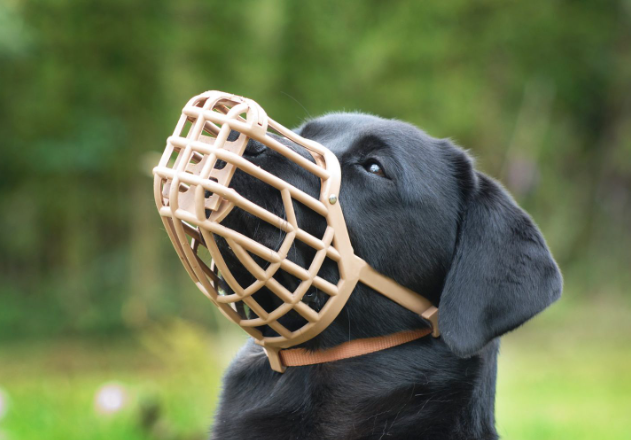
A dog muzzle is a device that fits over a dog’s snout, preventing them from biting or opening their mouth fully. Muzzles come in various styles and materials, such as basket muzzles, soft mesh muzzles, and leather muzzles. It is crucial to choose a muzzle that allows your dog to pant, drink, and receive treats while wearing it.
Types of Dog Muzzles
- Basket Muzzles
- Allow for panting, drinking, and treating
- Provides good ventilation
- Suitable for longer periods of use
- Soft Mesh Muzzles
- Lightweight and comfortable
- Best for short-term use
- Not suitable for dogs with short snouts
- Leather Muzzles
- Durable and strong
- Can be custom-fitted
- May restrict panting and drinking
When to Use a Dog Muzzle
Veterinary Visits
Many dogs experience anxiety or fear during veterinary visits, which can lead to aggressive behaviour. Using a muzzle can help keep both your dog and the veterinary staff safe during examinations and procedures.
Grooming Sessions
Similar to veterinary visits, grooming can be stressful for some dogs. A muzzle can prevent bites and allow the groomer to work safely and efficiently.
Public Transportation
If you need to travel with your dog on public transportation, such as buses or trains, a muzzle may be required by law or company policy. This ensures the safety of other passengers and reduces the risk of incidents.
Injury or Recovery
If your dog has an injury or is recovering from surgery, a muzzle can prevent them from licking or biting the affected area, which can hinder the healing process.
Interactions with Unfamiliar Dogs or People
In situations where your dog may encounter unfamiliar dogs or people, such as at a dog park or during a walk, a muzzle can provide an extra layer of safety. This is especially important if your dog has a history of fear or aggression towards others.
Training Your Dog to Accept a Muzzle
Start Early and Gradually
Introduce the muzzle to your dog at a young age, if possible, and begin training with short, positive sessions. Gradually increasing the duration of the muzzle for dogs becomes more comfortable.
Associate the Muzzle with Positive Experiences
Offer treats and praise when your dog interacts with the muzzle, and make the experience enjoyable by playing games or engaging in fun activities while they wear it.
Practice in Various Situations
Once your dog is comfortable wearing the muzzle at home, practice in different environments and situations, such as during walks or car rides. This will help them adapt to wearing the muzzle in various contexts.
Choosing the Right Muzzle for Your Dog
Consider Your Dog’s Size and Breed
Ensure that the muzzle you choose is appropriate for your dog’s size and breed. Some breeds, such as those with short snouts, may require specialised muzzles.
Prioritise Comfort and Safety
Select a muzzle that allows your dog to pant, drink, and receive treats comfortably. Avoid muzzles that are too tight or restrictive, as these can cause distress and discomfort.
Consult with a Professional
If you are unsure about which muzzle to choose or how to properly train your dog, consult with a professional dog trainer or behaviourist. They can provide guidance and support throughout the process.
Misconceptions About Dog Muzzles
Muzzles are Not a Punishment
Contrary to popular belief, muzzles should never be used as a punishment for your dog. They are a tool for ensuring safety and should be introduced and used in a positive, non-threatening manner.
Muzzles Do Not Indicate Aggression
Seeing a dog wearing a muzzle does not necessarily mean that the dog is aggressive. Many responsible owners use muzzles as a precautionary measure in certain situations, even if their dog has never shown signs of aggression.
Muzzles Should Not Be Used Continuously
Muzzles should only be used when necessary and for limited periods. Prolonged use can cause discomfort and distress for your dog, and may hinder their ability to engage in natural behaviours like panting and drinking.
The Importance of Proper Muzzle Use
Avoid Misuse and Abuse
Never use a muzzle to prevent barking, as this can be distressing for your dog and may lead to other behavioural issues. Additionally, do not leave your dog unattended while wearing a muzzle, as this can be dangerous if the muzzle becomes caught on an object or if your dog experiences distress.
Combine with Positive Reinforcement Training
Using a muzzle should be part of a comprehensive training plan that focuses on positive reinforcement. Reward your dog for calm, relaxed behaviour while wearing the muzzle, and address any underlying behavioural issues through training and socialisation.
Regularly Check for Fit and Comfort
Periodically check your dog’s muzzle for signs of wear, damage, or poor fit. Ensure that the muzzle remains comfortable and allows for proper breathing, panting, and drinking.
Conclusion
Dog muzzles can be valuable tools for ensuring the safety of your pet and others in various situations. By understanding when and how to use a muzzle, choosing the right type for your dog, and combining muzzle training with positive reinforcement, you can help your dog adapt to wearing a muzzle when necessary. Remember, a muzzle should never be used as a punishment or a substitute for proper training and socialisation. With the right approach, a muzzle can be a helpful addition to your dog’s safety toolkit.
