

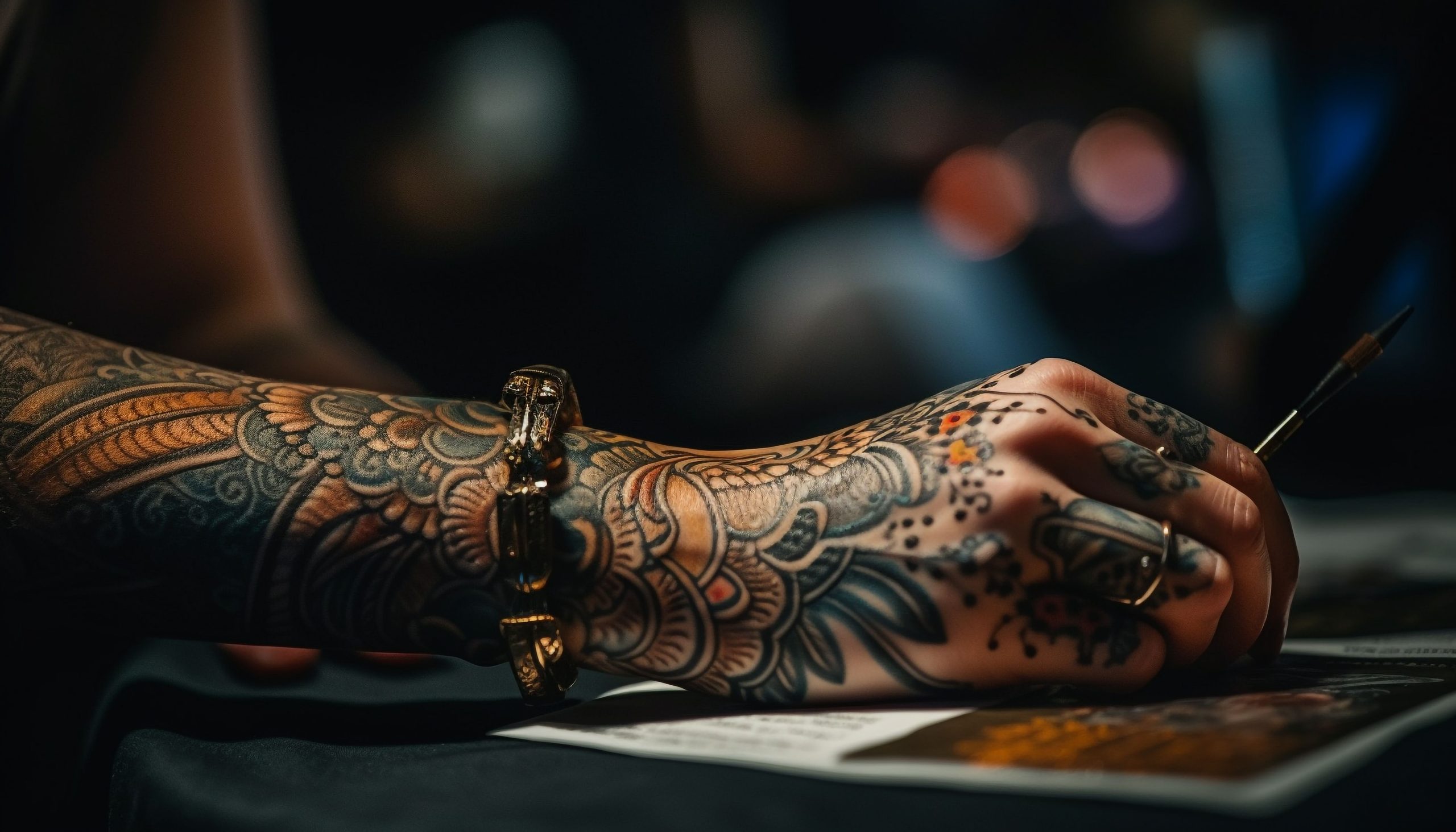
Tattooing has a rich and varied history that spans cultures, continents, and centuries. What began as a deeply symbolic practice in ancient societies has evolved into a global art form that continues to grow in popularity. Understanding the roots of tattoo culture provides insight into how it has transformed over time and the significance it holds in today’s world.
Ancient Beginnings
The origins of tattooing can be traced back thousands of years, with evidence of tattoos found on mummies and ancient artifacts. In these early societies, tattoos often held spiritual or ritualistic significance. They were used to mark rites of passage, signify status, or serve as talismans for protection.
In Polynesian cultures, for example, tattoos were a vital part of life, deeply connected to social hierarchy and identity. Each tattoo told a story, representing a person’s genealogy, achievements, or tribal affiliation. Similarly, in ancient Egypt, tattoos were believed to have magical properties and were often associated with fertility and the protection of women during childbirth.
Tattoos in Modern Society
As societies evolved, so did the practice of tattooing. In the 19th and early 20th centuries, tattoos began to gain popularity in Western cultures, particularly among sailors, soldiers, and other groups seeking to express their individuality and experiences. This period also saw the development of the electric tattoo machine, which revolutionized the industry by making tattooing faster and more accessible.
Today, tattoos are embraced by people from all walks of life. They have become a means of personal expression, allowing individuals to showcase their beliefs, passions, and creativity on their skin. The diversity of styles, from traditional tribal designs to hyper-realistic portraits, reflects the broad appeal and artistic possibilities of tattooing.
In modern tattoo studios, the focus is not only on the art itself but also on the experience. The setup of a studio plays a crucial role in ensuring both the artist and client feel comfortable. Key pieces of furniture, such as a tattoo stand, are essential for providing the stability and support needed to create detailed, high-quality tattoos. These stands, along with other ergonomic equipment, help artists maintain precision and efficiency throughout long sessions, contributing to the final outcome of the artwork.
The Future of Tattooing
As we look to the future, tattooing continues to evolve, driven by advancements in technology and shifts in cultural attitudes. Laser technology, for example, has made tattoo removal more effective, encouraging more people to experiment with body art without the fear of permanence. Meanwhile, new styles and techniques are constantly emerging, pushing the boundaries of what’s possible in tattoo art.
There is also a growing emphasis on safety and hygiene in the industry, with regulations becoming stricter to protect both clients and artists. This focus on professionalism and care ensures that tattooing remains a respected and trusted art form.
The journey of tattooing from ancient times to the present day is a testament to its enduring significance and adaptability. What started as a sacred and symbolic practice has become a widely accepted and celebrated form of self-expression. As tattoo culture continues to grow and evolve, it remains a powerful way for individuals to connect with their past, present, and future through the art they choose to wear on their skin.
