

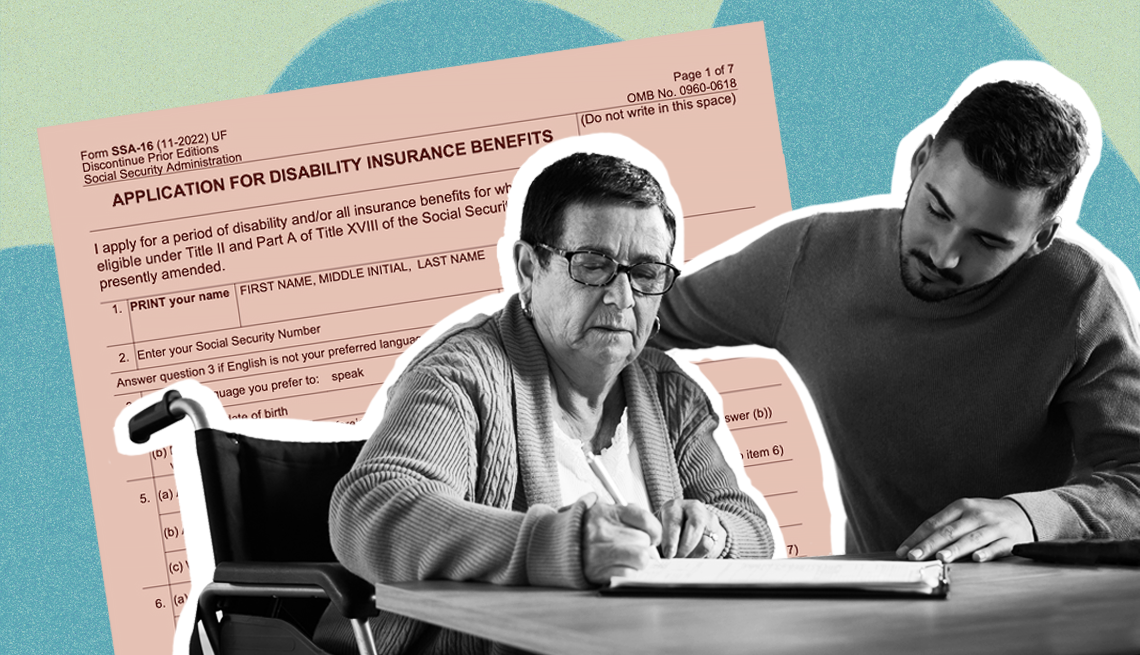
Given the extensive Social Security Disability Insurance documentation required to validate career-ending mobility impairments, initial unrepresented claims applications often overlook nuanced bureaucratic details that are scrutinized heavily afterward during harsh qualification reviews. Therefore, denied applicants are unjustly delayed in essential health/financial support fates. However, adequately executed comprehensive, personalized appeals strengthen cases, and reversible decisions are corrected optimistically going forward.
Understanding the Denial
SSDI denials are categorized through contrasting designations holding different case continuance weights, including:
Procedural Denials – Applications are rejected due to technical documentation omissions, such as missing physician signatures, incomplete question answers, or errors documenting crucial disability onset timing specifics that are still qualifying. However, cases resume processing quite readily once re-subgenerally mitted, fixing easily correctible paperwork without prejudice afterward.
Substantive Denials – Concerning judgments deciding presented mobility/functional impairments fail to reach federal disability thresholds, denying merits upon reviewing medical proofs, conditions described, or vocational assessments elements directly tied to disabling ailments are being disputed further. Overcoming substantive denials through patient appeals, therefore, remains the principal challenge pathway lying ahead now.
Preparing for a Stronger Application
Applicants denied legal guidance at the initial application phase overlook critical documentation criteria that boost approval odds substantially. This includes:
Specialized Medical Evidence – Supplying detailed functional capacity evaluation forms from medical specialists who directly treat the applicant’s conditions provides vital technical data documenting the full severity of any physical, exertional, or stamina-based limitations the injuries impose. For example, a spinal surgeon can quantify reduced mobility ranges, lifting/carrying capacities diminished, and any associated chronic pain or side effects from medications that narrow work capacities – validated through imaging and clinical testing results. This commands greater credibility over nonspecific assessments family physicians provide, lacking intricate orthopedic insights scrutinized further.
Vocational Assessments – Formal skills transferability testing that evaluates what alternative lower-impact occupations remain viable prospects given the applicant’s experience levels and education qualifications in light of the full extent of newly imposed medical limitations. These provide definitive conclusions on irreversibly lost job category capacities based on case specifics versus SSA bureaucratic assumptions on theoretical capabilities incorrectly made lacking individual claimant insights when denying cases otherwise.
Incorporating this specialized medical evidence and vocational testing data when appealing denied claims builds fact-based arguments that affirm approval qualifications to arbitrary standards of disability expected by commissioners.
Seeking Professional Guidance
Retaining SSDI appeal lawyers intimately familiar with representing thousands of disability dispute cases historically counter denial vulnerabilities through proficiencies like:
Timing Mastery – Lawyers ensure applications align standards, effective dates, milestones, crucial qualifying, and appeals commence promptly before closing filing expiration periods forever.
Process Literacy – Attorneys verify submitted materials questionnaire answers and satisfy the program’s precise evidentiary expectations, carrying claims distances further than applicants managed to reach alone initially on first attempts.
This balanced combination of specialized process literacy and work histories, matched with irrefutable medical mobility deterioration evidence, makes difficult denial decisions tougher to uphold when represented comprehensively.
Conclusion
When sudden health reversals or permanent injuries disrupt working feasibilities dramatically, Social Security promises to offer support to stabilize futures positively. However, navigating convoluted disability applications overloaded process risks rejections without sufficient irrefutable proof qualifications. However, partnering with tenured specialized SSDI lawyers’ rights cases, strengthening correctable documentation weaknesses, maximizes eventual approval likelihoods substantially through persistence, meeting the expected exhaustive standards, and delivering equitable help during turbulent chapters later.
