

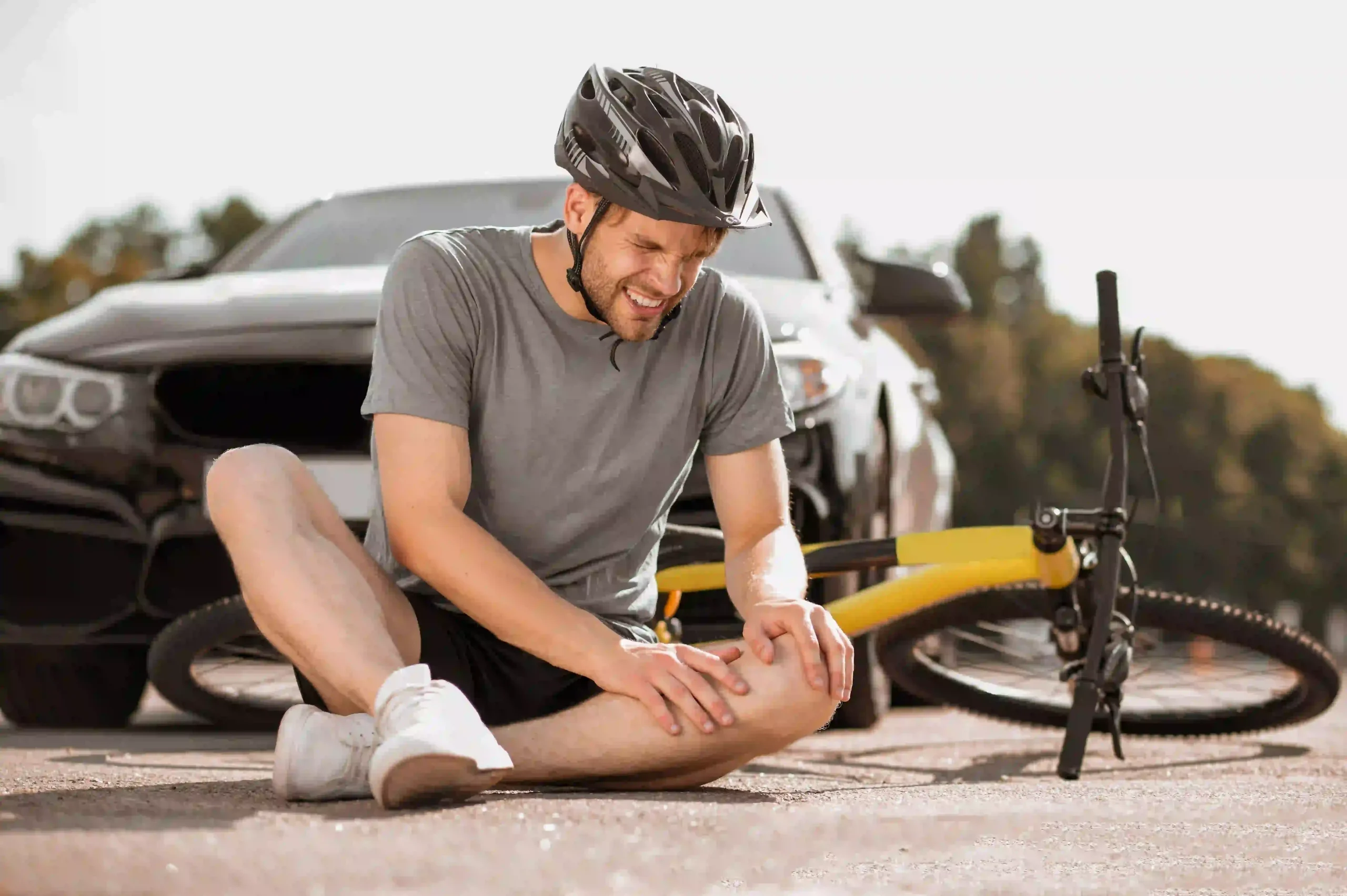
Virginia Beach offers scenic routes and a pleasant coastal climate, making it a popular destination for cyclists. However, like any urban area, it also presents specific hazards that can put cyclists at risk. From heavy traffic and road debris to poorly marked bike lanes and distracted drivers, there are numerous dangers that every cyclist should be aware of. Understanding these hazards and how to navigate them can help prevent accidents and ensure safer rides for everyone on the road.
Knowing your legal options is crucial if you’re an injured bicyclist in Virginia Beach. Cyclists have rights, and if your injuries were caused by someone else’s negligence, you may be entitled to compensation. In this article, we’ll discuss the most common hazards for cyclists in Virginia Beach and offer practical tips on how to avoid them.
Heavy Traffic and Unpredictable Drivers
One of the biggest risks for cyclists in Virginia Beach is navigating through busy traffic. Drivers often fail to check for cyclists when changing lanes, turning, or opening car doors. Sudden stops and unpredictable movements by motorists can easily catch a cyclist off guard, leading to dangerous collisions.
To avoid these hazards, cyclists should always ride defensively. Stay visible by wearing bright or reflective gear, use hand signals to communicate your intentions, and keep a safe distance from vehicles. Additionally, try to ride in designated bike lanes whenever possible, and always remain alert to the actions of drivers around you.
Poorly Maintained or Marked Bike Lanes
While Virginia Beach does have bike lanes, they aren’t always well-maintained or clearly marked. Potholes, cracked pavement, and debris can cause cyclists to lose control, while faded lane markings can lead to confusion for both cyclists and drivers, increasing the risk of an accident.
Before heading out, familiarize yourself with your planned route and be cautious of areas known for poor road conditions. When encountering obstacles or unclear bike lanes, slow down and use caution, signaling clearly if you need to move into traffic to avoid a hazard. Reporting unsafe road conditions to local authorities can also help improve safety for all cyclists.
Distracted and Aggressive Drivers
Distracted driving is a major problem, with many drivers using smartphones, adjusting GPS devices, or eating while behind the wheel. For cyclists, a distracted driver can be deadly, as they may fail to notice a cyclist in time to avoid a collision. Aggressive driving is another issue, with some motorists failing to give cyclists adequate space or even deliberately driving too close.
Cyclists can reduce their risk by staying alert and assuming that drivers may not see them. Avoid riding in drivers’ blind spots, and be cautious at intersections where distracted or aggressive drivers are more likely to make sudden or unpredictable moves. If you sense that a driver is not paying attention, it’s best to maintain extra distance.
Inadequate Lighting and Visibility at Night
Cycling at night or in low-light conditions brings additional risks, especially in areas where street lighting is poor. Even if you are following all traffic rules, a driver may not see you until it’s too late. Poor visibility also makes it harder for cyclists to spot obstacles like potholes or debris that could cause an accident.
To enhance your visibility, always use front and rear lights on your bike and wear reflective clothing. Stick to well-lit routes when possible, and use reflective tape on your bike for added visibility. When riding at night, assume that drivers may not see you and take extra precautions.
Road Debris and Unexpected Obstacles
Virginia Beach’s coastal location means that road debris like sand, gravel, and fallen branches are common, especially after storms. These hazards can cause tires to slip or result in a sudden crash. Additionally, trash, broken glass, and other debris can lead to punctures or skidding.
To avoid these hazards, keep a close eye on the road ahead and ride at a controlled speed, especially in areas prone to debris. Regularly check your tires for signs of wear and keep them properly inflated. If you spot debris in your path, slow down and maneuver around it safely.
Parked Cars and the “Dooring” Hazard
One of the most common causes of bike accidents in urban settings is “dooring,” where a parked car’s door is suddenly opened into a cyclist’s path. This can result in severe injuries as cyclists have little time to react and often crash directly into the door.
Cyclists can reduce the risk of dooring by riding at least three feet away from parked cars, even if it means moving closer to traffic. Be extra cautious in areas with heavy street parking and stay alert for any signs that someone is about to exit a vehicle.
Unfamiliar Routes and Tourist Areas
Virginia Beach is a tourist hotspot, and areas popular with visitors can present additional risks for cyclists. Tourists unfamiliar with local traffic patterns may drive unpredictably, and crowded areas can make it difficult to navigate safely. Unfamiliar routes can also pose challenges, as you may not be aware of potential hazards or tricky intersections.
To avoid accidents in these areas, plan your route ahead of time and be prepared for sudden stops or unexpected obstacles. If possible, avoid heavily congested tourist zones during peak hours, and always ride with caution when exploring new routes.
Weather Conditions: Rain, Fog, and Wind
Weather can be a major hazard for cyclists. Rain and fog reduce visibility, making it harder for both cyclists and drivers to see each other. Wet roads also lead to reduced traction, increasing the chances of skidding or losing control. Strong coastal winds common in Virginia Beach can also make it difficult to maintain balance, particularly when riding near open stretches.
Check the weather before you ride and be prepared to adjust your plans if conditions are unfavorable. If you must ride in challenging weather, use extra caution, slow down, and ensure your bike is equipped with proper tires and brakes to handle slippery surfaces.
