

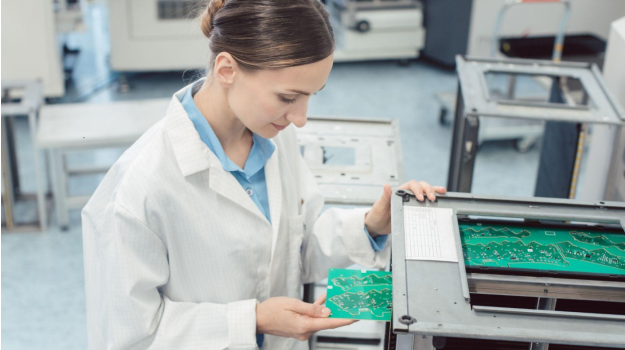
The assembly of printed circuit boards (PCBs) plays a crucial role in determining the overall performance of electronic devices. With advancements in technology, the quality of PCB assembly can significantly influence factors like signal integrity, reliability, and thermal management. This article explores the various aspects of PCB assembly and how they directly affect the functionality and longevity of electronic products, highlighting why manufacturers, such as those featured on ourpcb.com, must prioritize high-quality assembly processes.
Overview of PCB Assembly
PCB assembly encompasses the process of attaching electronic components to printed circuit boards, ensuring the functionality of electronic devices. This process includes critical stages like component placement, soldering, and rigorous quality control, all of which directly influence device performance.
Definition of PCB Assembly
PCB assembly, also referred to as board assembly or PCBA, entails soldering electronic components such as resistors, capacitors, and integrated circuits onto a printed circuit board. The assembly employs two primary techniques: surface-mount technology (SMT) and plated through-hole (PTH) technology. Each method offers distinct advantages that impact the durability and reliability of the final assembly.
Importance in Electronic Manufacturing
PCB assembly plays a vital role in electronic manufacturing. High-quality assembly processes impact signal integrity, operational reliability, and thermal management of devices. Reliable assembly contributes to enhanced performance metrics, reducing the risk of device failure. Manufacturers prioritize robust quality control measures during assembly to ensure that the final product meets industry standards and customer expectations, directly influencing the longevity and effectiveness of electronic devices.
Factors Influencing Performance
Several key aspects impact the performance of electronic devices, particularly related to printed circuit board (PCB) assembly. Material quality and design considerations are critical in determining how well these devices function.
Material Quality
Material quality in PCB assembly directly affects the overall performance and reliability of electronic devices. High-quality components ensure steady performance, stability under various conditions, and increased longevity. High-performance capacitors, resistors, and integrated circuits contribute significantly to device efficiency and reliability. Conversely, low-quality or counterfeit components lead to increased risk of malfunctions and failures. These inferior components compromise the integrity of the connections and circuits, adversely affecting the functionality of the end product. Ensuring the use of authentic, high-grade materials is vital for maintaining the standard performance expected from modern electronic devices.
Design Considerations
Design considerations significantly influence the performance characteristics of PCBs. Flaws in design can lead to issues such as PCB warpage, which undermines the integrity of solder joints. Poorly designed solder joints result in unreliable electrical connections or complete failures in some devices. Effective design practices incorporate considerations for thermal expansion, electrical signal paths, and component layout to minimize potential errors. Attention to these factors in the design phase enhances the overall efficiency and reliability of the electronic device, ensuring optimal performance throughout its operational life.
Reliability and Durability
PCB assembly significantly influences the reliability and durability of electronic devices. The right materials and manufacturing practices directly affect performance and lifespan.
Impact on Longevity
Longevity of electronic devices hinges on several factors related to PCB assembly. High-quality materials used in PCB fabrication improve thermal stability and mechanical strength, which reduces wear and tear over time. Effective design optimization, including considerations for thermal management and signal integrity, leads to more robust performance. Stringent manufacturing controls, such as routine inspections and testing, further ensure that assembled PCBs meet reliability standards. As a result, devices operate efficiently for extended periods, minimizing operational failures and reducing maintenance costs.
Resistance to Environmental Factors
Resistance to environmental factors is crucial for the durability of PCBs. High-quality materials resist moisture, dust, and temperature variations effectively. Proper soldering techniques ensure that connections remain intact, even under harsh operating conditions. Additionally, implementing protective coatings can significantly improve resistance to corrosion and other environmental threats. These measures increase the lifespan of the PCB and the electronic devices it supports, promoting stable performance across various usage scenarios.
Cost-Benefit Analysis
PCB assembly plays a critical role in balancing costs and benefits in electronic devices. The initial investment in PCB assembly, particularly for sophisticated designs, can impact budget considerations. However, the potential long-term gains often outweigh these upfront costs.
Initial Investment vs. Long-Term Performance
- Higher Initial Costs: Investments in advanced PCB assembly techniques, such as using high-density interconnects (UHDI) and specialized materials, lead to significant initial costs. These techniques, while costly, are necessary for complex electronic devices.
- Long-Term Savings: Long-term savings result from reduced material waste and improved production efficiency. Enhanced manufacturing practices yield lower labor costs and better resource utilization, creating a more sustainable production model. Notably, an efficient assembly process also improves the functional lifespan of products.
- Increased Production Costs: Higher initial investments translate to increased production costs for electronic devices. Manufacturers might raise retail prices to compensate for these expenses.
- Competitive Advantage: Despite higher upfront costs, improved reliability and performance of assembled devices can create a competitive advantage. Products that perform better tend to attract higher customer satisfaction, leading to potential price stability or even premium pricing in the market.
- Long-Term Pricing Stability: Enhanced manufacturing efficiency and reduced defects contribute to stabilizing market prices. When manufacturers mitigate risks associated with poor quality and failures, they can maintain greater control over product pricing in the long run.
Conclusion
The impact of PCB assembly on electronic device performance is undeniable. High-quality assembly techniques not only improve signal integrity and reliability but also optimize thermal management. As manufacturers focus on quality control and advanced materials, the benefits become evident in the longevity and efficiency of devices. Investing in superior assembly processes may involve higher upfront costs but ultimately leads to significant long-term advantages. Enhanced performance and reduced defects contribute to a more stable market, allowing companies to maintain competitive pricing. The strategic importance of PCB assembly is clear for those looking to improve their electronic products.
