

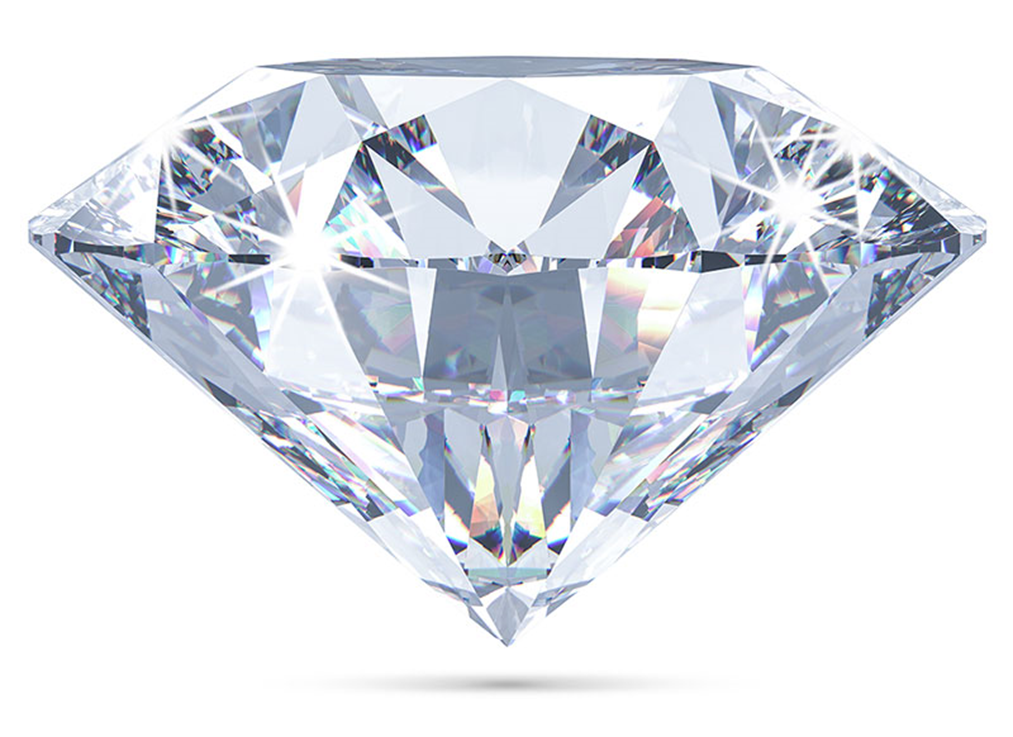
Engagement rings symbolize eternal love, selfless commitment, and a bright future. These rings come in various styles, such as classic solitaires and intricate designs involving multiple gemstones. Your engagement ring can be as unique as you are, and many couples enjoy customizing their jewelry. The total cost of an engagement ring can fluctuate, so understanding the total cost is essential to making an educated decision. In this article, we’ll dive into the key factors affecting the total cost of an engagement ring. This will help you get the most bang for your buck while possessing a ring that fits your unique preferences. Let’s dive in.
The Diamond’s Quality
For best results, purchase the diamond apart from the setting, as seen in the loose diamonds available through Diamonds-USA. The diamond’s quality is the primary factor of an engagement ring’s cost. We evaluate diamonds based on the 4 Cs: carat, cut, clarity, and color. These characteristics work synergistically to influence the value of the diamond.
Carat: The term “carat” refers to the diamond’s size; as you can guess, larger diamonds are usually more expensive. Even a slight variation in weight can lead to a considerable difference in cost. Before you purchase a loose diamond, determine your ideal carat.
Cut: The diamond’s cut makes it reflect light, giving each gemstone that “wow” factor. A finely crafted diamond has plenty of sparkle, while a poorly cut diamond appears dull. This may be less expensive, but it will affect the overall appearance of the gemstone. We advise you to pick your diamond’s cut very carefully.
Clarity: Clarity refers to the presence (or absence) or inclusions, also known as internal flaws. This term can also cover external scratches or other blemishes. Diamonds with fewer inclusions are rare and valuable. For a lower clarity price, choose a diamond that’s SI2. This ranking is eye-clean yet cost-effective.
Color: Diamonds come in various colors (lab-made and natural), with colorless diamonds being the most popular. Colorless diamonds are also more expensive, which speaks to their purity. Diamonds can be graded D (flawless and colorless) to Z (dingy light yellow or brown). A budget-friendly yet appealing diamond will often be in a range of H-I.
Understanding the workings of the 4 Cs helps you make a choice that’s both budget-friendly and beautiful. It also enables you to evaluate which C is most important to you. For example, some may opt for lower carat weights to have a better-cut diamond with higher clarity.
Settings Also Play a Part
The metal you choose for your setting also plays into the total cost of an engagement ring. Top choices include platinum, titanium, and gold (yellow, rose, and white), each with its own benefits and price tag.
Platinum: Platinum is among the most durable metals. It’s also the rarest setting type, making it the most expensive option. This is an excellent pick for those with sensitive skin as it’s hypoallergenic. Platinum doesn’t show wear and tear as much as other options, which may be a fantastic factor for those who work heavy-duty jobs.
Gold: Among the most classic and versatile options, gold is available in shades like white, rose, and yellow. Gold’s purity is described in karats, which affects its price. 24-karat gold is the purest and most expensive option, while 14-karat gold is most preferred as it has a purify of over 50% pure gold.
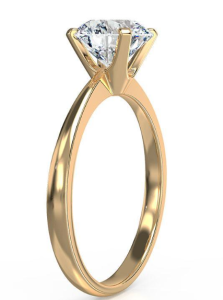
This picture shows a 14-karat gold ring. As you see, the ring is brilliant
without being overly flashy. It is Solitaire engagement ring image Diamonds-USA
White Gold: If you want a lower-cost alternative to platinum, go with white gold. This metal is a blend of gold and other metals, but the jewelers dip it in Rhodium, which makes it appear white gold.
The ring’s setting also affects the overall cost. Simple solitaire settings are always a frugal option, while more elaborate designs with additional gemstones cost more. Custom settings will always require more craftsmanship, increasing the total cost as well.
The Complexity of the Ring
The intricacy of the ring itself also impacts your final cost. Rings with simple, classy designs are, as a rule, less expensive than custom-made rings with elaborate or abstract designs.
Solitaire Rings: This ring type features a single diamond. Though it’s an elegant option, the craftsmanship is simple, and it costs less.
Complex Designs: Halo settings feature a solitaire diamond with additional diamonds surrounding the center stone. These intricate band designs require more attention to detail, driving up the cost.
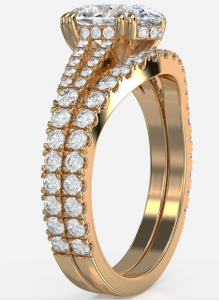
This image depicts an intricate Low Profile engagement ring. image: Diamonds-USA.com
Custom rings that are designed for one wearer are likely going to be priced higher than those that are mass-produced. The skill level that goes into these rings is higher than usual, requiring more payment upfront.
Brand and Designer
A designer label can also influence the ring’s cost. Rings created by well-known brands come with a higher price tag, especially if the brand’s reputation is high. These brands use beautiful materials and superior craftsmanship, but as you’re aware, you often pay for a label.
This is why it’s important not to discard rings from local or lesser-known artisans. These jewels can offer similar quality at an affordable price. When you choose a ring from a lesser-known, smaller brand, you’ll find a beautiful piece that fits your budget. Often, you don’t even have to compromise on your preferred style.
Ring Size
Your ring’s size, even the diameter of the band, can increase or decrease the cost. Larger rings will, of course, require more metal, which adds to the material cost. Resizing a ring after purchasing can cost more than purchasing a larger one, so getting your sizing right from the start is important.
Diamond Certificate of Authenticity
High-quality diamonds will come with a certificate of authenticity. Be sure to look for loose diamonds with certification from gemological institutions like the Gemological Institute of America (GIA). These gemstones are more expensive but reassure you that you’re getting what you paid for. Appraising a ring by a professional can also increase the cost, but it ensures you’re paying a fair price. After all, peace of mind is priceless.
What’s On Trend
The cost of an engagement ring can also be influenced by what’s trendy. For example, seasonal demand can cause a shortage of supplies, driving up the cost of materials. Prices will always rise around popular engagement seasons, like Valentine’s Day or spring. Purchasing an engagement ring during off-peak times will always result in a better discount.
Customizing and Engraving
If you choose to personalize an engagement ring with an engraving or custom design, you’ll pay a higher price. These customizations add sentimental value, but they should be weighed carefully, considering your budget.
Where You Purchase the Ring
Where you purchase the ring matters. Online retailers often offer a lower price than in-person shopping because their overhead costs are lower. Purchasing in-store also has benefits, as you can see and try rings in person.
Consider Your Budget Considerations
The most crucial factor in choosing an engagement ring is your budget. You must set a realistic budget that reflects your financial situation and then determine to stick to it. The value of your engagement ring doesn’t lie in its extravagance but in the story it represents.
Understanding these factors will enable you to make a great decision regarding the best engagement ring for your budget, style, and values.
