

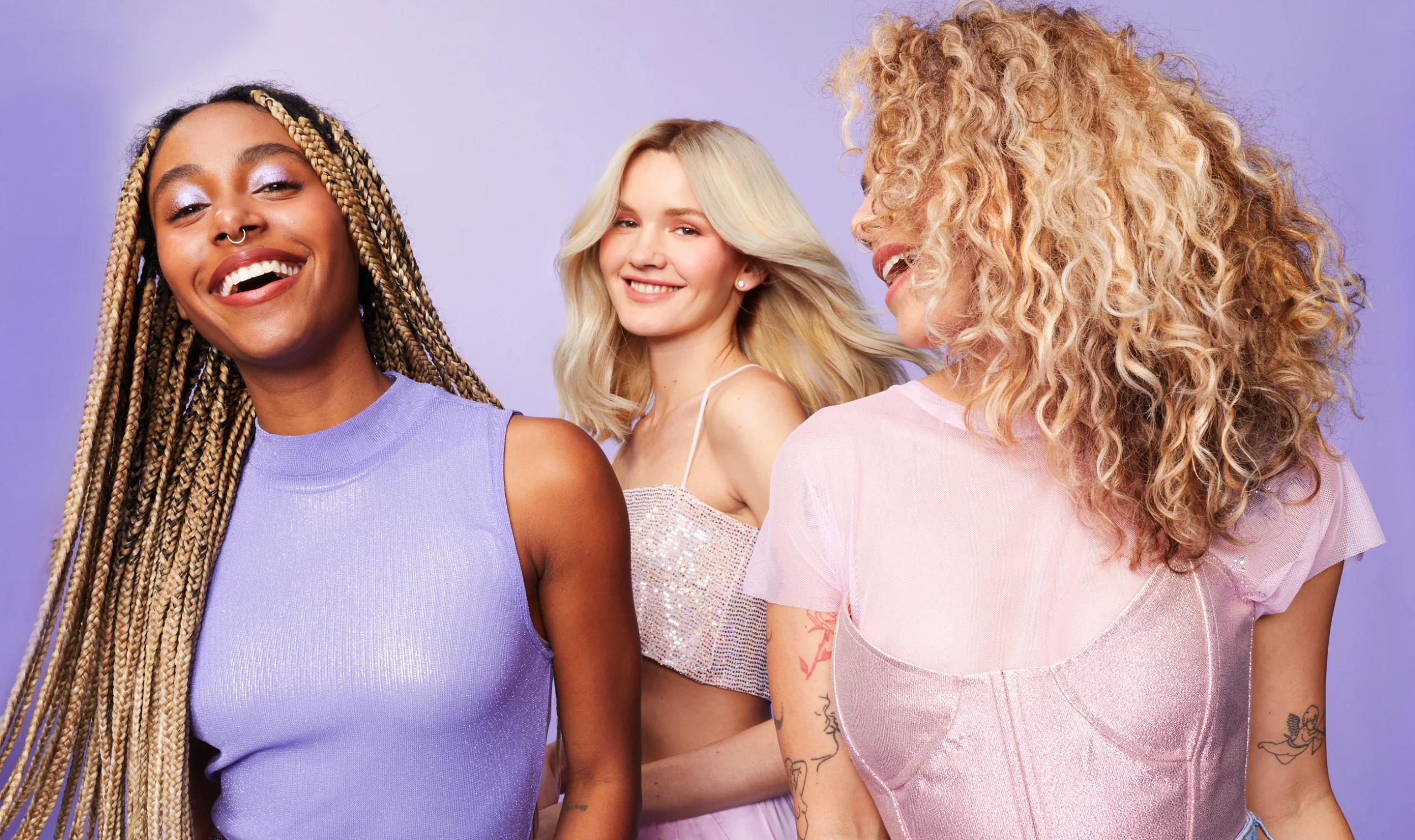
Navigating the exhaustive world of hair salon fort myers is tedious, with so many shades stocked on shelves. The overwhelming spectrum of hues across the warm-to-cool-toned color scale makes it challenging to pick a single shade. Adding to the confusion is the color type classification – semi-permanent, demi-permanent, and permanent hair colors. In simple terms, semi-permanent color fades away in a few washes, whereas permanent colors stay put for a prolonged period without fading. Demi-permanent stands in the middle, fading slower than semi-permanent but faster than permanent color type. As you scroll below, we decode everything you need about semi-permanent vs. permanent hair color.
What is semi-permanent hair color?
Semi-permanent hair colors, also known as temporary hair dye, are deposit-only, ammonia-free formulations. As the name suggests, the color fades off in a couple of washes. They don’t need activation with the developer before applying. Without ingredients like hydrogen peroxide (used in developers) and ammonia, they do not open the cuticles. As a result, the pigment molecules do not penetrate the hair shaft and deposit on the hair’s outer surface. Hence, the color dislodges faster after a few washes.
Many hair color brands have introduced their exclusive range of semi-permanent hair colors as quick DIY coloring options. Moehair has launched its quick and bold range of Voodoo Vegan semi-permanent hair paint, inclusive for all hair types. The colors are formulated with superior ingredients like rice protein, citric acid, etc., that paint strands temporarily and leave them soft and nourished. Numerous brands, like Xmondo have also launched their semi-permanent color range.
Pros of using semi-permanent hair color:
- Experiment with bold and vibrant hair color shades without committing to it for longer.
- Formulations are free of ammonia, and color does not need activation with the developer; hence, they are not damaging to hair.
- DIY hair color application makes the process easy and convenient as it doesn’t require expensive salon visits.
- Low-maintenance coloring option that does not demand an elaborate post-coloring haircare routine.
Cons of using semi-permanent hair color:
- Pre-lightening might be needed to deposit the color on the strands depending on the natural hair color.
- It doesn’t give full gray hair coverage and might require frequent reapplication.
- The color is usually DIY; hence, the application process might be messy, leaving stains on fingers and clothes.
What is permanent hair color?
Permanent hair colors involve chemistry in their formulation, using ingredients that help with lasting, fade-proof coloring. Also, the dye is mixed with a hair color developer for activation. The ammonia in the permanent color, and hydrogen peroxide in the developer opens up the cuticle. This helps penetrate the pigment molecules through the hair shaft and locks in the color. As a result, it leaves the color for a longer time and fades-proofs it with proper aftercare maintenance.
With permanent hair color, you must go the extra mile in its maintenance and care. You can either darken or lighten the shade or choose a different hair color. As the pigment absorbs into the hair shaft and is locked in, it often lasts until you re-color or cut hair. However, it might turn brassy with orange or yellowish undertones. However, if you opt for a lighter hair shade, a root touch-up every six weeks helps keep the color salon-fresh.
Pros of using permanent hair colors:
- Long-lasting hair hues with excellent gray coverage and remain fades-proof for a long time.
- There is a huge range of shades and tones to choose from, with lighter and darker variations for every color.
- Multiple hair coloring techniques, like highlights, lowlights, balayage, ombre, dip-dyed, can be implemented.
Cons of using permanent hair colors:
- The coloring process involves bleaching, and the presence of ammonia in the dye and hydrogen peroxide in the developer might lead to dryness and damage.
- Applying the permanent hair color is lengthy and expensive, often involving salon visits.
- Hair color aftercare can be expensive with color-protect products and touch-ups to keep off brassiness.
In conclusion, you can pick your option depending on the desired outcome and how long you wish for the color to stay. If you want to experiment with bold and vivid shades but are not willing to commit to a color for long, semi-permanent dye is your choice. However, opt for permanent hair color if you want a vibrant transformation with a shade that lasts long and offers gray coverage. In permanent colors, ingredients like keratin and natural oil make it less damaging and leave hair smooth. For the best results, consider visiting a professional hair salon Fort Myers.
