

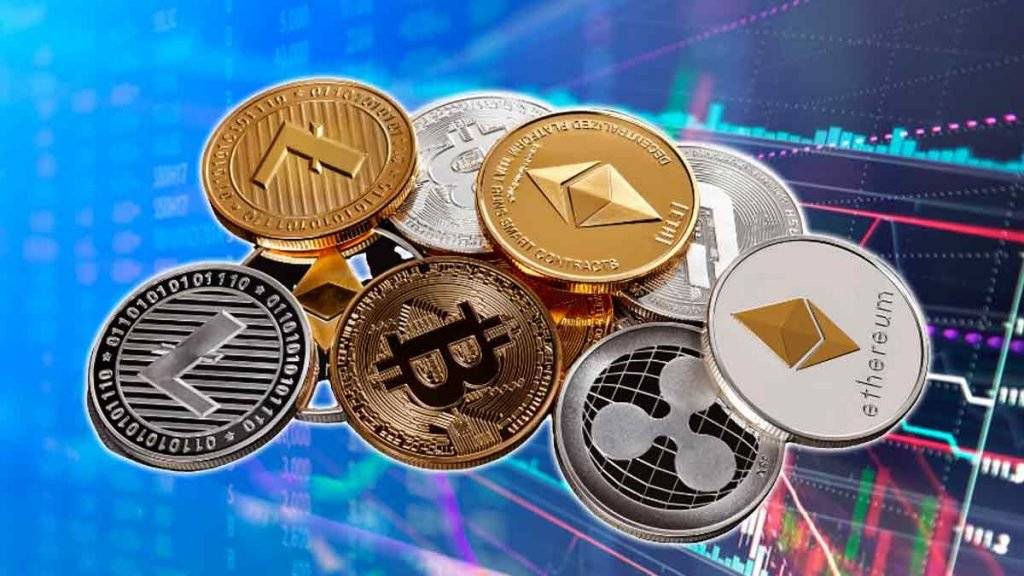
In the digital currency landscape, many investors and enthusiasts often find themselves overwhelmed by the variety of terms and concepts. Among the most important are coins, altcoins, and tokens, each playing a distinct role in the crypto ecosystem. Whether you’re looking to list coin on exchange or participate in initial coin offerings (ICOs), this article aims to clarify these concepts by explaining the unique characteristics and purposes of coins, altcoins, and tokens.
What is a Coin?
A coin is a digital asset that operates independently on its own blockchain. The most prominent example is Bitcoin, which was the first cryptocurrency introduced and remains the most well-known and widely used. Coins like Bitcoin and Ethereum function as digital money and can be used for transactions or held as a store of value. They operate on their own blockchain, meaning they have their own ledger system and network infrastructure. When you list a coin on crypto exchanges, you’re offering a digital currency that has its own standalone blockchain. When exploring the distinctions between coins, altcoins, and tokens, Abstract offers valuable perspectives on the broader implications of these digital assets.
What is an Altcoin?
Altcoins, or alternative coins, refer to all cryptocurrencies other than Bitcoin. The term encompasses a broad range of digital currencies that aim to improve upon Bitcoin’s framework or serve specific niches within the crypto ecosystem. Ethereum, for example, introduced the concept of smart contracts, which are self-executing contracts where the terms of the agreement are directly written into code. This innovation has paved the way for numerous applications beyond simple transactions.
When exploring cryptocurrencies, it’s also useful to understand how to transfer a NFT to another wallet, ensuring secure management of your digital assets.
What is a Token?
A cryptocurrency token is a digital asset created on an existing blockchain, most commonly on Ethereum’s blockchain using its ERC-20 standard. Tokens represent a wide array of assets and can serve various purposes within a blockchain ecosystem. Unlike coins, which are meant to be used as a form of currency, tokens have a wider range of uses:
- Utility tokens provide access to specific services or products within a blockchain platform, such as dApps or other ecosystem services.
- Security tokens represent ownership in an asset, offering rights, dividends, or profit shares.
- Governance tokens give holders voting rights on a blockchain project’s development and management.
- Non-fungible tokens (NFTs) are unique digital items such as art or collectibles, distinct and non-interchangeable, popular in art, play-to-earn games, and metaverses.
The distinctions between coins, altcoins, and tokens are fundamental to understanding the broader cryptocurrency market. Having a clear understanding of these differences will be essential for anyone looking to participate and succeed in the crypto space.
414
