

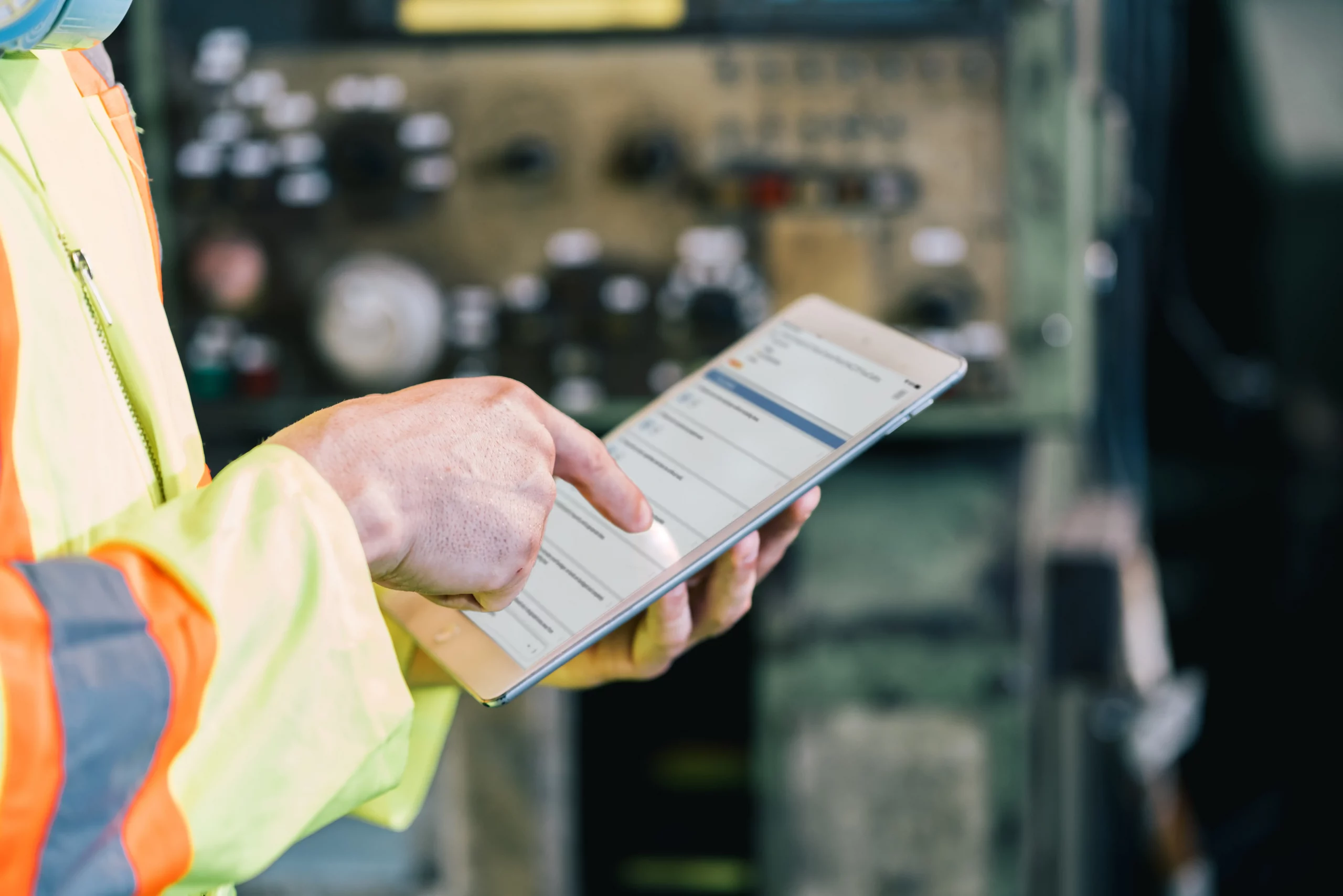
Ensuring the quality and compliance of products and operations in warehouses and manufacturing facilities is crucial for businesses aiming to maintain high standards and customer satisfaction. Third-party inspections play a vital role in this process by providing an unbiased assessment of various aspects of production and storage. This guide covers the fundamentals of third-party inspections, explaining what they are, why they are important, and how they are conducted.
What is a Third-Party Inspection?
A third-party inspection involves an independent entity evaluating the quality and compliance of products, processes, or systems. Unlike first-party (internal) or second-party (supplier) inspections, third-party inspections are conducted by organizations with no direct stake in the transaction, ensuring an unbiased and objective assessment.
Key Objectives
- Quality Assurance: Verifying that products meet specified quality standards and customer requirements.
- Compliance: Ensuring adherence to industry regulations, safety standards, and contractual obligations.
- Risk Management: Identifying potential issues early to prevent defects, recalls, or other costly problems.
- Continuous Improvement: Providing insights and recommendations for improving processes and operations.
Why Are Third-Party Inspections Important?
Third-party inspections are essential for several reasons:
- Objectivity: Independent inspectors provide an unbiased view, free from internal or supplier influences.
- Expertise: These inspectors are often specialized in specific industries, bringing a wealth of knowledge and experience.
- Trust: Their involvement can increase confidence among stakeholders, including customers, investors, and regulatory bodies.
- Efficiency: Identifying issues early can save time and resources by preventing costly mistakes and delays.
Types of Third-Party Inspections
Pre-Production Inspection (PPI)
- Purpose: Evaluate raw materials and components before production begins to ensure they meet required standards.
- Benefits: Prevents the use of substandard materials, reducing the risk of defects and rework.
During Production Inspection (DPI)
- Purpose: Assess production processes and identify issues as they arise.
- Benefits: Enables real-time corrections, maintaining quality throughout the production cycle.
Pre-Shipment Inspection (PSI)
- Purpose: Inspect finished products before they are shipped to ensure they meet quality and compliance standards.
- Benefits: Confirms product quality before delivery, reducing the risk of returns and customer complaints.
Container Loading Supervision (CLS)
- Purpose: Verify that products are correctly packed and loaded into containers for shipping.
- Benefits: Ensures proper handling and prevents damage during transit.
How are Third-Party Inspections Conducted?
Step 1: Planning and Coordination
- Define Scope: Outline the inspection’s objectives, criteria, and scope.
- Schedule: Agree on inspection dates and timelines.
- Documentation: Gather relevant documents, including specifications, standards, and checklists.
Step 2: On-Site Inspection
- Visual Examination: Inspect products and processes for visible defects or issues.
- Functional Testing: Conduct tests to verify functionality and performance.
- Measurement and Sampling: Measure critical parameters and take samples for further analysis.
- Documentation Review: Check records and documents for compliance with standards.
Step 3: Reporting and Feedback
- Inspection Report: Provide a detailed report highlighting findings, non-conformities, and recommendations.
- Feedback Session: Discuss results with stakeholders and provide guidance on corrective actions.
- Follow-Up: Conduct follow-up inspections to verify the implementation of corrective measures.
Choosing the Right Third-Party Inspection Provider
When selecting a third-party inspection provider, consider the following factors:
- Reputation: Look for providers with a strong track record and positive reviews.
- Expertise: Ensure they have experience in your industry and understand your specific requirements.
- Accreditations: Verify their certifications and accreditations to ensure they meet industry standards.
- Communication: Choose a provider with clear communication and reporting processes.
- Cost: Consider the cost of inspections relative to the potential benefits and savings.
Third-party inspections are a critical component of quality assurance and risk management in warehouses and manufacturing. By providing an objective and expert assessment, they help ensure that products and processes meet the highest standards of quality and compliance. Understanding the basics of third-party inspections can help businesses choose the right provider and effectively integrate these inspections into their operations, ultimately leading to improved performance and customer satisfaction.
