

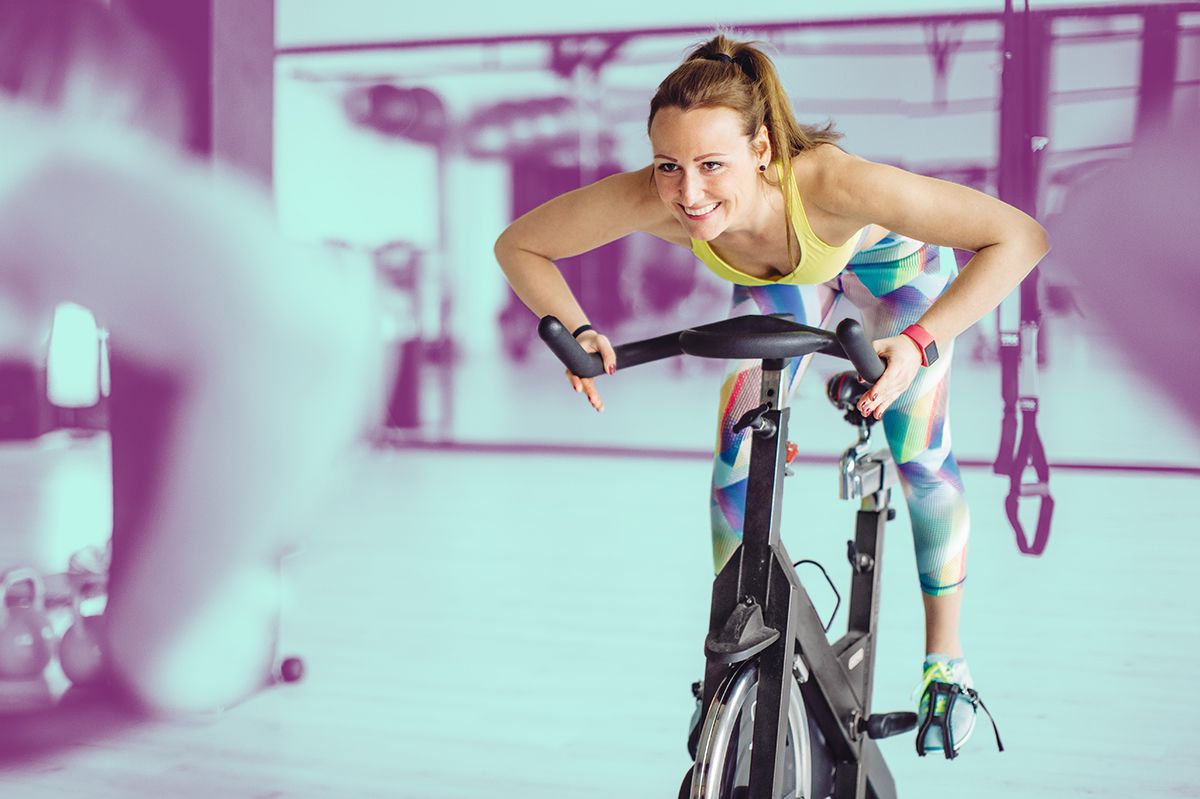
Exercise bikes are a staple in home and gym fitness routines due to their effectiveness in delivering a low-impact cardiovascular workout. Whether you’re new to exercise or a seasoned athlete, incorporating varied and effective workouts on your exercise bike can help you achieve your fitness goals.
Here’s a comprehensive guide to when you buy an exercise bike.
1. Understanding the Basics of Exercise Bike Workouts
Types of Exercise Bikes
Before diving into specific workouts, it’s essential to understand the types of exercise bikes:
- Upright Bikes: Mimic traditional biking with a similar riding position, engaging the core and upper body.
- Recumbent Bikes: Feature a reclined seating position with back support, focusing on the lower body with reduced strain on the joints.
- Spin Bikes: Designed for high-intensity training, offering a more intense workout with adjustable resistance and a robust frame.
Setting Up Your Bike
Proper setup is crucial for an effective workout. Adjust the seat height and position to ensure your legs are almost fully extended at the bottom of the pedal stroke. Proper alignment reduces strain and maximizes efficiency. For spin bikes, adjust the handlebars and resistance to suit your workout intensity.
2. Warm-Up and Cool-Down
Warm-Up Routine
Warming up prepares your body for more intense exercise and reduces the risk of injury. Start with 5-10 minutes of low-intensity cycling at a comfortable pace. Gradually increase your speed and resistance to elevate your heart rate and loosen up your muscles.
Cool-Down Routine
Cooling down helps your body transition from exercise to rest, aiding in recovery and reducing muscle soreness. Finish your workout with 5-10 minutes of easy cycling, followed by stretching. Focus on the quadriceps, hamstrings, and calves to improve flexibility and prevent stiffness.
3. Interval Training
High-Intensity Interval Training (HIIT)
HIIT is an effective way to maximize calorie burn and improve cardiovascular fitness. Cycle in brief bursts at a high effort and then take breaks or a lesser intensity. For example, cycle at high resistance for 30 seconds, then recover at a lower resistance for 1-2 minutes. Repeat this cycle for 20-30 minutes.
Tabata Training
Tabata training is a specific form of HIIT with even shorter intervals. Perform 20 seconds of all-out effort followed by 10 seconds of rest, repeating for 4 minutes (8 cycles). This intense workout boosts metabolism and enhances cardiovascular fitness in a short time.
4. Steady-State Cardio
Endurance Cycling
Steady-state cardio involves maintaining a consistent pace and resistance throughout the workout. Aim for 30-60 minutes of cycling at a moderate intensity where you can still hold a conversation but feel challenged. This type of workout is excellent for building aerobic endurance and burning calories.
Hill Climbing
Simulate hill climbs by increasing the resistance on your bike. Start with a moderate resistance and gradually increase it every few minutes to mimic ascending a hill. This workout targets the lower body muscles, including the glutes, quads, and hamstrings, and improves strength and stamina.
5. Strength Training on the Bike
Resistance Training
Increasing the bike’s resistance levels during your workout helps build muscle strength. Perform exercises such as seated climbs or standing sprints to engage different muscle groups. For example, alternate between seated cycling with high resistance and standing cycling to target your legs and core.
One-Legged Cycling
One-legged cycling involves pedaling with one leg while the other rests. This exercise isolates each leg, improving strength and balance. Perform 1-2 minutes of one-legged cycling on each leg, then switch sides. This exercise also enhances coordination and overall efficiency in your cycling.
6. Incorporating Upper Body Exercises
Integrated Workouts
Some exercise bikes come with handlebars that allow for upper body engagement. Incorporate upper body exercises such as arm curls or shoulder presses while cycling. Use light hand weights or resistance bands for added intensity. This integration provides a full-body workout and enhances calorie burn.
Core Engagement
Engaging your core while cycling improves stability and strengthens abdominal muscles. Focus on maintaining a strong, stable core throughout your workout. To increase core engagement, try performing standing sprints or interval training while consciously tightening your abdominal muscles.
7. Tracking Progress and Setting Goals
Using Fitness Trackers
Many modern exercise bikes come equipped with fitness trackers that monitor metrics such as heart rate, calories burned, distance, and speed. Utilize these features to track your progress and adjust your workouts based on your goals.
Setting SMART Goals
Set Specific, Measurable, Achievable, Relevant, and Time-bound (SMART) goals to stay motivated and track your progress. For example, aim to increase your endurance by cycling for an additional 10 minutes each week or improve your resistance levels by a specific percentage.
8. Avoiding Common Mistakes
Proper Form
Sustaining correct form is essential for safe and efficient exercise. Avoid slouching or leaning too much on the handlebars. Keep your back straight and engage your core to support your posture.
Avoiding Overtraining
Overtraining can lead to burnout and injury. Ensure you incorporate rest days into your routine and vary your workouts to prevent overuse injuries. Listen to your body and adjust your intensity and duration as needed.
Maximize Your Fitness Potential with the Versatility of Exercise Bikes
Exercise bikes offer a versatile and effective way to achieve a range of fitness goals, from cardiovascular endurance to strength building. By incorporating various workouts such as HIIT, steady-state cardio, and resistance training, you can maximize the benefits of your exercise bike.
Additionally, focusing on proper form, tracking progress, and setting SMART goals will help you stay motivated and achieve long-term success.
Whether you’re new to cycling or looking to enhance your current routine, an exercise bike provides a valuable and adaptable tool for improving your overall fitness and health.
