

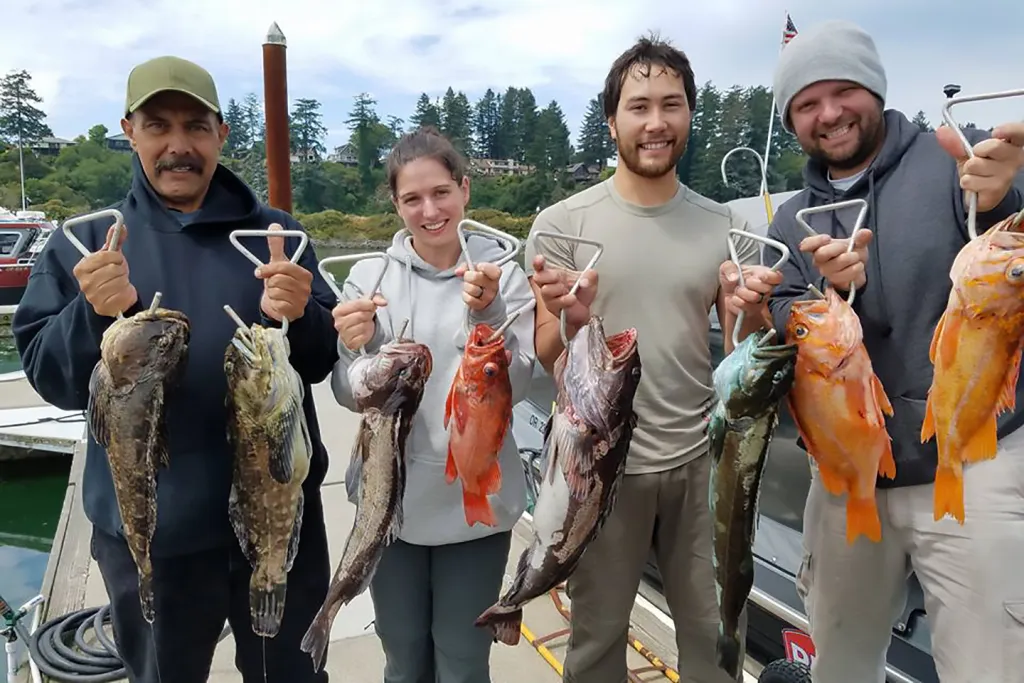
Fishing in Oregon is a cherished pastime, offering a diverse range of species and picturesque environments. However, to ensure sustainable fishing and protect these resources, the state has established a set of regulations that every angler must follow. This comprehensive guide to Oregon’s fishing regulations will help you navigate the rules and make the most of your fishing adventures in the Beaver State.
Fishing Licenses and Permits
The first step to legally fish in Oregon is to obtain the appropriate fishing license. The Oregon Department of Fish and Wildlife (ODFW) offers various licenses to accommodate different needs:
- Resident Annual Fishing License: Available to Oregon residents aged 12 and older.
- Non-Resident Annual Fishing License: For non-residents aged 12 and older.
- Youth License: For residents and non-residents aged 12-17.
- One-Day Angling License: Available to both residents and non-residents for a single day of fishing.
- Multi-Day Angling License: For those who plan to fish for several days but do not want an annual license.
Licenses can be purchased online through the ODFW website, at licensed vendors, or at ODFW offices. Always carry your fishing license with you, as you may be required to show it to law enforcement officers or ODFW personnel.
Angling Regulations
Oregon’s angling regulations vary by region and species, so it’s crucial to familiarize yourself with the rules for the area where you plan to fish. Here are some key points to keep in mind:
Bag and Possession Limits
Bag limits specify the number of fish an angler can keep in a single day, while possession limits refer to the total number of fish an angler can have in their possession at any time. These limits vary by species and water body. For example:
- Trout: Generally, the daily bag limit is five trout per day, with some exceptions in specific water bodies.
- Salmon and Steelhead: Limits can vary significantly depending on the river or lake. Always check the specific regulations for the water body you are fishing in.
- Bass, Panfish, and Other Warmwater Species: Typically, there are no bag limits for these species, but size limits may apply.
Size Limits
Size limits ensure that fish have the opportunity to reach maturity and reproduce before being harvested. Some common size limits include:
- Trout: Minimum size limits can vary; check the regulations for the specific water body.
- Sturgeon: Size limits are strictly enforced, with specific slot limits indicating the minimum and maximum lengths for keeping sturgeon.
- Bass: Often, there are minimum size limits to ensure sustainable populations.
Seasonal Restrictions
Fishing seasons can vary widely depending on the species and water body. For example:
- Salmon and Steelhead: Many rivers have specific open and closed seasons to protect spawning fish. Some areas may also have seasonal closures to protect sensitive habitats.
- Trout: In some waters, trout fishing is open year-round, while others may have specific seasons.
- Sturgeon: Seasons for sturgeon fishing can be highly regulated, with certain areas open only during specific times of the year.
Special Regulations for Different Regions
Oregon is divided into several fishing zones, each with its own set of regulations. Here are some highlights for key regions:
Northwest Zone
- Columbia River: The Columbia River has complex regulations due to the numerous species and the large volume of anglers. Pay special attention to the rules regarding salmon and steelhead, as they can change frequently.
- Coastal Rivers and Lakes: Coastal areas are known for their salmon, steelhead, and trout fishing. Be aware of seasonal closures and special regulations designed to protect these fish during critical periods.
Southwest Zone
- Umpqua River: This river is famous for its smallmouth bass and steelhead. Check for specific regulations on catch-and-release areas and seasonal closures.
- Rogue River: Known for its excellent salmon and steelhead fishing, the Rogue River has specific regulations to manage these populations, including size limits and seasonal closures.
Willamette Zone
- Willamette River: This river offers diverse fishing opportunities, including salmon, steelhead, and warmwater species. Regulations can vary significantly along different stretches of the river.
- Clackamas River: A popular spot for steelhead and salmon fishing, the Clackamas River has specific rules on seasons and bag limits.
Central Zone
- Deschutes River: Renowned for its fly fishing, the Deschutes has specific regulations to protect its unique trout populations. These include catch-and-release areas and fly-fishing-only sections.
- Crooked River: This river offers excellent trout fishing with specific size and bag limits to maintain healthy fish populations.
Eastern Zone
- John Day River: Known for its smallmouth bass, the John Day River has liberal bag limits but also specific size limits to ensure sustainable fishing.
- Malheur River: Offers trout fishing with specific regulations on bag and size limits.
Protected Species and Conservation Areas
Oregon has several protected species and conservation areas where fishing is restricted or prohibited to protect sensitive habitats and endangered species. For example:
- Bull Trout: This species is protected, and any bull trout caught must be released immediately. Be able to identify bull trout to avoid accidental harvest.
- Marine Reserves: Oregon has established several marine reserves where fishing is prohibited to protect marine ecosystems. Familiarize yourself with these areas before fishing along the coast.
Invasive Species Prevention
Oregon is vigilant about preventing the spread of invasive species that can harm native fish populations and ecosystems. Anglers must take specific precautions, such as:
- Clean, Drain, and Dry: Always clean your gear, drain water from boats and equipment, and dry everything thoroughly before moving to a new water body.
- Aquatic Invasive Species Permit: All non-motorized boats 10 feet or longer require a permit to help fund invasive species prevention efforts.
Hiring Oregon Fishing Guides
To navigate the complex regulations and maximize your fishing success, consider hiring Oregon fishing guides. These professionals are well-versed in local regulations and can provide valuable insights into the best fishing spots, techniques, and times to fish. They can also help ensure you comply with all legal requirements, making your fishing experience stress-free and enjoyable.
Reporting and Enforcement
Compliance with fishing regulations is crucial for conservation efforts. Anglers are encouraged to report any violations they witness to the ODFW or local law enforcement. Regularly check the ODFW website or contact local offices for updates on regulations, as rules can change based on seasonal conditions and conservation needs.
Conclusion
Oregon’s fishing regulations are designed to ensure sustainable and enjoyable fishing experiences for all. By understanding and following these rules, anglers can contribute to the conservation of fish populations and the protection of natural habitats. Whether you’re fishing for salmon in the Columbia River or trout in a serene mountain lake, adhering to these regulations ensures that Oregon remains a premier fishing destination for generations to come. So, get your license, pack your gear, and embark on a memorable fishing adventure in the beautiful waters of Oregon.
