

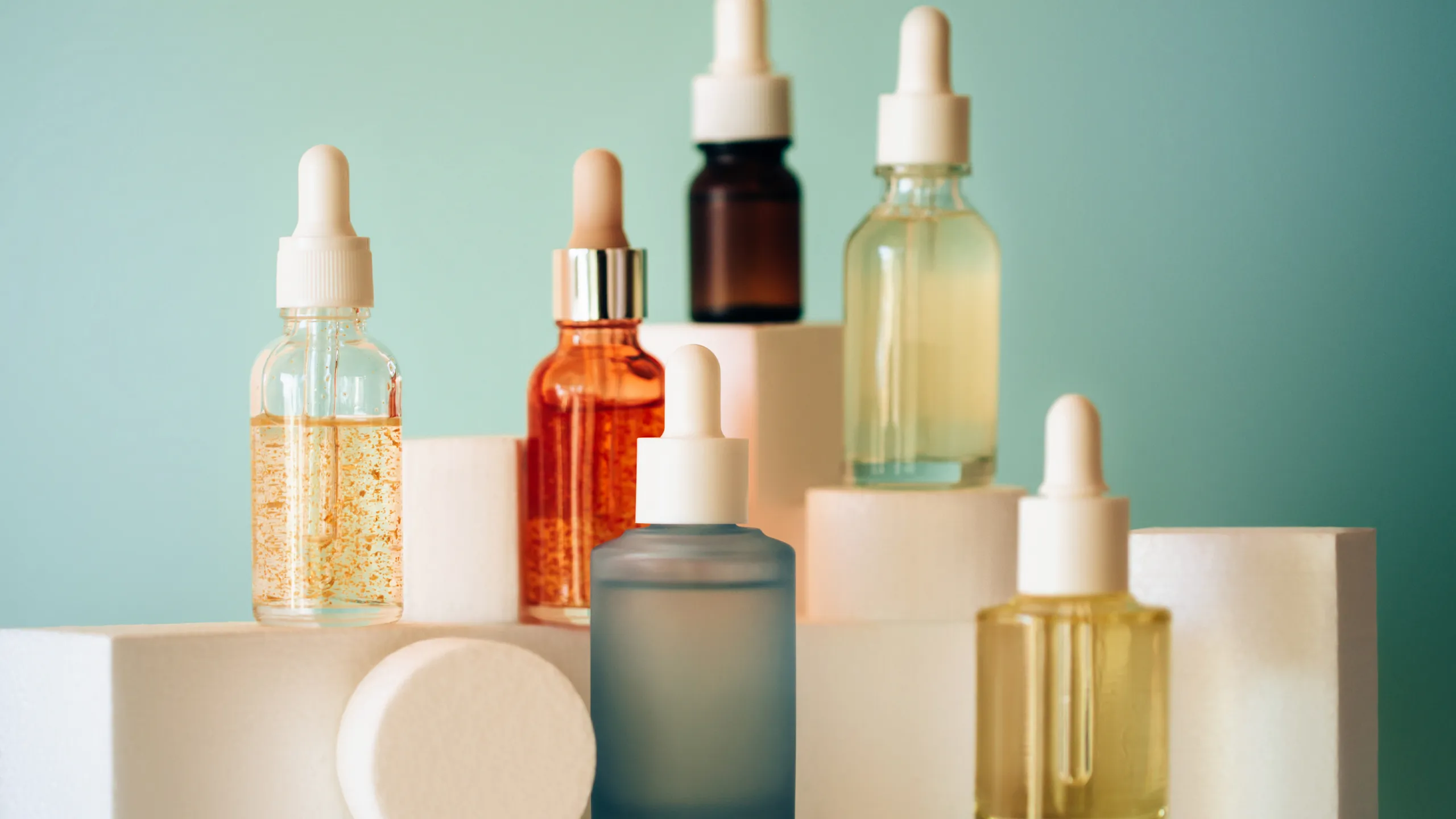
Vegan and cruelty-free products may sound similar, but they have different certification standards. A beauty product with a cruelty-free label does not mean that it is also vegan. A formulation chemist will be able to provide recommendations and craft the right solution for your beauty product goals. The differences between cruelty-free and vegan products are as follows:
Cruelty-Free Products
Cruelty-free means that those specific products were not tested on animals at any stage of the beauty product creation process. Animal testing provides companies with allergy reaction information without having to test them on a human being. This kind of testing may also include applying dyes and pigments to the animal’s fur, giving companies data on staining and color fading. Many consumers are pulling away from companies that test their products and ingredients on animals.
A formulation chemist will be able to introduce you to cruelty-free alternatives for your skin care product. These alternatives are not tested on animals. Collagen is a common ingredient in skin care products. This animal by-product can be switched out for cruelty-free ingredients like vitamin C and aloe vera solutions. Further cruelty-free applications include:
Cruelty-Free Ingredient Applications
A common animal product used in skin care topicals is lactic acid, which is used in exfoliators. Lactic acid is found in animal tissue and milk. A cruelty-free alternative to lactic acid is salicylic acid, which can be used on all skin types.
Salicylic acid is effective for individuals who have normal to oily skin types, and for those who struggle with acne and redness. This ingredient works by breaking down oils on the surface of the skin, preventing breakouts. By using this ingredient in exfoliants or cleansers, your customers will be able to remove dead skin cells and lessen the oils on their faces. You will also be able to provide your customers with products comprised of cruelty-free ingredients.
Vegan Products
A product is considered vegan if no animal by-products are used for the formula, including honey and eggs. Instead, the ingredients are derived from plants. Some brands may use an ingredient called gelatin, which is an animal by-product that creates a gummy consistency in jellies and certain candies. Plant-based alternatives to gelatin include pectin, agar-agar, and celluloid.
Beeswax is another animal-based ingredient used in skin care because it forms a protective barrier on the skin’s surface. A chemist’s alternative for beeswax may be candelilla wax or natural plant oils. Further vegan applications are:
Vegan Ingredient Applications
One of the many non-vegan ingredients advertised in skin and hair care products is keratin, also known as humectant. This naturally occurring compound is found in hair and in the horns of animals like goats. A vegan alternative to keratin is synthesized proteins that are used in hair care products like conditioners. These proteins create a silky, shiny appearance without the use of any animal by-products. A formulation chemist may also suggest adding vitamins and minerals derived from plants to your custom formula as vegan options.
Custom Skin Care Products
When creating a custom skin care product for your brand, a chemist will be able to adhere to your product’s specifications, including being vegan and cruelty-free. These experts typically have a library of ingredients for skin care, hair care, and beauty products. Fragrances are also available as essential oils or perfumes.
Additional services your chemist may provide include clinical testing and design services for your brand’s overall appearance. Logos and packaging give your clients an instant first impression of your product. An effective design is recognizable and functional, creating a fun experience for your customers.
Stock Formulas
Certain formula chemists may offer stock formulas to save you time when launching your product brand. Samples are offered for a variety of oils, creams, and cleansers. This allows you to try out the product yourself before starting the manufacturing process.
Stock formulas may also include beauty products like makeup. Lip gloss, liquid or powder foundation, and eyeshadow palettes allow you to offer multiple product types to your customers. With scalable ordering options, you can choose to order different colors of makeup while maintaining consistent quality assurance.
Formulation Chemist Assistance
When creating your own skin care product, a chemist will speak with you about your goals to create an effective item that is both cruelty-free and vegan. They should also offer prototype samples before fully crafting your formula. You will be able to retain full rights to your custom formula blend while providing your clients with a luxurious skin care routine.
