

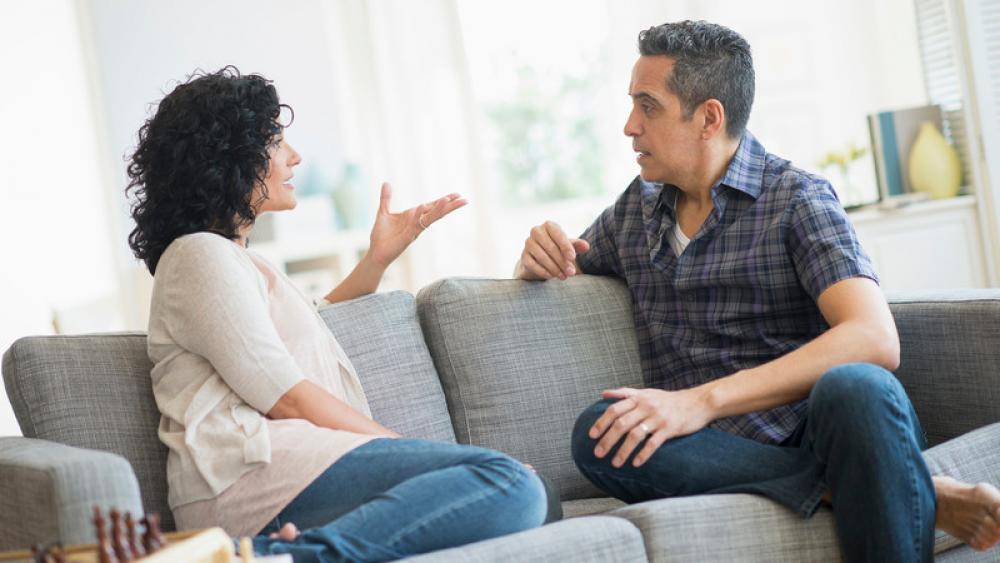
Couples counseling is available as a helpful tool to aid couples in improving their relationship and acquiring healthy communication skills. Working with a therapist is a way to receive guidance while navigating these issues. Here are eight communication strategies for couples counseling:
What Is Couples Counseling?
Couples counseling is designed to address concerns within a relationship, but it can also assist in coping with more significant issues. This includes infidelity, childhood trauma, or deciding whether to separate or stay in the relationship. To address these matters effectively, both parties must be willing to learn healthy communication skills. Through couples counseling, you receive a nonjudgemental and experienced third party to support the process as well as teach you new skills. Here are some communication strategies to apply to your relationship whether you are in couples counseling or not:
1. Create a Safe Space For Discussion
To create a foundation for any sensitive discussion, both parties can go to a safe space where they can talk freely and trust they’ll be heard. If you’re both feeling tense, it may be difficult to know how to approach the other person. You can start by asking them if they are comfortable talking about the topic or how you can help create a safe space.
2. Ask Thoughtful Questions
Asking questions is a way to show you’re interested in your partner’s perspective and helps you understand the issue. Ask questions in an open way that isn’t threatening or passive-aggressive. Allow your partner to also ask you questions and be open to the concerns they bring up.
3. Practice Active Listening
Active listening means being present at the moment and listening to what is being said. Try to use eye contact to show you’re engaged and focus on the topic to retain the information. Avoid getting distracted by your own thoughts or how you want to respond.
4. Be Respectful
Both parties need to remain respectful to each other and themselves throughout any disagreement. Try to use positive language and be mindful of your tone. Using “I” statements keeps blame at bay and helps to keep the conversation neutral. Try to request things rather than demand. As you’re talking, think about how you would respond if you were on the receiving end of your communication. This will help you assess your actions to make sure you’re being respectful.
5. Express Emotions Effectively
Expressing your emotions means being honest with yourself and relaying it appropriately. It also means allowing the other person the same courtesy to show their emotions. All emotions are normal, but our behaviors should be well managed.
6. Show Appreciation and Give Validation
Validate your partner’s efforts, and honor the natural changes everyone goes through in life. Instead of regretting who your partner used to be, look for ways to respect and honor who they have become. You should also expect your partner to provide the same outlook on your changes.
7. Pay Attention To Nonverbal Communication
Nonverbal communication can send messages subconsciously, such as rolling your eyes, sighing, or sitting back with arms crossed. These are all indications of shutting down a conversation. Send positive signals, such as leaning forward to your partner during a conversation, to keep the communication going. It also shows your partner you’re willing to engage and commit to learning.
8. Be Mindful of Timing
Pick a calm time when a conversation can be initiated with ease and openness. Couples also need to know when to take a break from the conversation. If a conversation begins to turn into an argument, pause to regroup and calm down. Remember to revisit the conversation as soon as possible with healthy communication skills and a willingness to solve the issue.
Seeking Help Is a Sign of Strength
When a relationship gets to a point where changes need to be made, asking for help is a strong and healthy approach. It shows you care about the relationship, that you’re willing to open up, and that you want to see it improve. Communication skills can be difficult when we’re busy or stressed, but they can be learned. A skilled therapist will help you through the sensitive process. Contact a couples counselor today to discuss healthy communication skills to enhance your relationship.
