

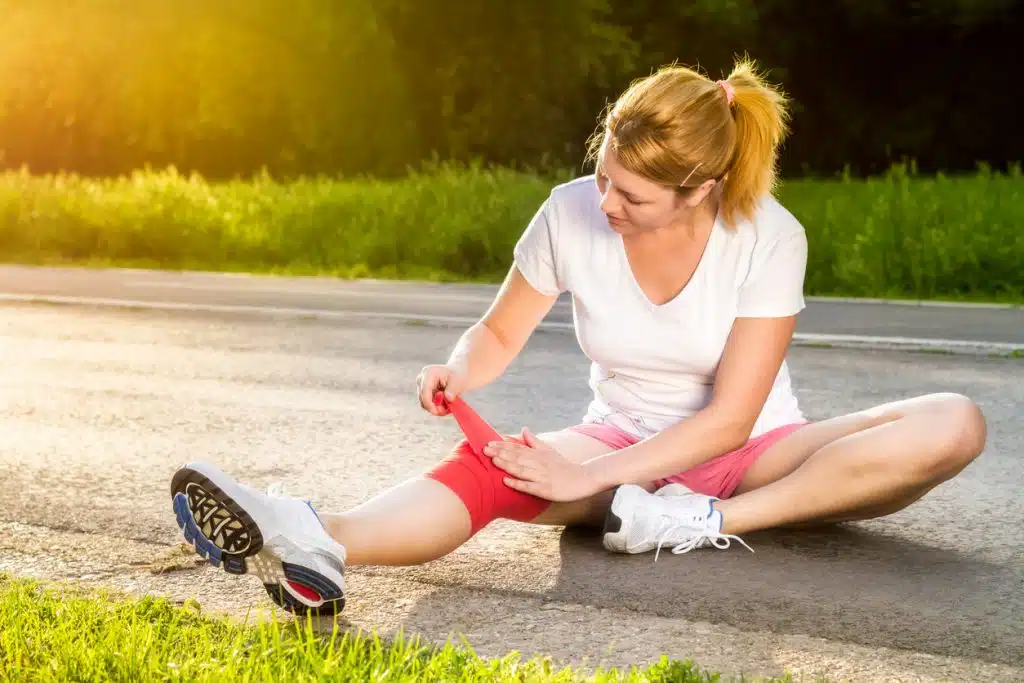
Physical activity and sports participation have many health benefits, such as improved cardiovascular health, stronger muscles and bones, weight management, and reduced risk of some diseases. However, participating in sports also carries a risk of injury.
Some orthopedic injuries are more common than others among athletes and sports enthusiasts. This article by Physical Therapy Advantage in Aurora will discuss the 10 most prevalent sports-related orthopedic injuries. Also, bunion surgery is a common solution for sports people along the way to deal with their toes.
Ankle Sprains
Ankle sprains are one of the most common sports-related injuries. They occur when the ligaments in the ankle become stretched or torn after sudden twisting or rolling of the ankle joint. Ankle sprains are graded based on severity – grade 1 is mild stretching, grade 2 is partial tearing, and grade 3 is complete ligament rupture.
Symptoms include pain, swelling, instability, and difficulty bearing weight on the injured ankle. While mild sprains heal with RICE therapy (Rest, Ice, Compression, Elevation), severe sprains may require immobilization and Aurora Physical Therapy. Taping or bracing the ankle joint helps prevent future sprains.
ACL Tears
The anterior cruciate ligament (ACL) provides stability to the knee joint. ACL tears are a common knee injury, especially in sports involving sudden stops, jumps, and changes in direction, such as basketball, football, soccer, and skiing.
A torn ACL causes pain, swelling, and instability in the knee. It is diagnosed through physical examination and imaging tests. Treatment options are physical therapy to strengthen the leg muscles or surgical reconstruction of the torn ligament. Recovery after ACL repair aims to restore the knee’s stability and strength.
Rotator Cuff Injuries
The rotator cuff is a group of muscles and tendons surrounding the shoulder joint, helping lift and rotate the arm. Rotator cuff tendinitis or tears are common in athletes performing repetitive overhead motions like swimming, baseball, tennis, and weightlifting.
Symptoms include shoulder pain and weakness. Rest, physical therapy exercises, anti-inflammatory medications, and steroid injections can help manage rotator cuff injuries. In severe tears, surgery may be needed to reattach the torn tendon.
Shin Splints
Shin splints refer to pain along the shin bone or lower leg caused by muscle strains and inflammation. It occurs commonly in runners and dancers. The pain worsens with activity. Rest, ice application, compression sleeves, and anti-inflammatory medications help alleviate symptoms. A change in training regimen, improving flexibility, and orthotics can prevent recurrence. Try out Ortho Bracing, they carry the highest quality for orthopedic surgery recovery and pain relief.
Tennis Elbow
Tennis elbow, also called lateral epicondylitis, causes pain around the bony bump on the outer side of the elbow joint. It happens due to repetitive wrist and arm motions in racket sports and golf, but also with manual jobs involving tools. Pain worsens with activity and grip. Rest, ice, bracing, physical therapy exercises, and anti-inflammatory medications are beneficial. Cortisone injections can provide symptom relief.
Stress Fractures
Stress fractures are tiny cracks in the bone caused by repetitive stress. They commonly affect the weight-bearing bones of the lower extremities, such as the foot, ankle, and shin, in runners and jumpers. Symptoms include pain that worsens with activity. Imaging tests like X-rays, CT scans, or MRI diagnose stress fractures. Treatment involves rest, avoiding impact activity, and gradually returning to the sport as the fracture heals.
Muscle Strains
Muscle strains or pulls are stretching or tearing of muscle fibres. They frequently occur in the hamstrings, quadriceps, and calves with running, kicking, and abrupt motions. Symptoms are pain, muscle spasms, swelling, and reduced range of motion. Mild strains can be managed with RICE therapy and over-the-counter pain medications. More severe strains may need immobilisation and physical therapy.
Hip Labral Tears
The hip labrum is a ring of cartilage around the socket joint that provides stability. Labral tears can happen with repetitive hip motions in activities like hockey, golf, ballet, and running. Symptoms include deep hip or groin pain, clicking, and loss of range of motion. Physical therapy exercises help manage mild tears. Well, the hip replacement surgery called hip arthroscopy may be needed for severe tears to remove the torn fragment and repair the labrum.
Concussions
A concussion is a mild traumatic brain injury caused by a hit or blow to the head and neck. It can occur in contact sports like football, rugby, boxing, and ice hockey. Symptoms include headache, dizziness, confusion, and loss of consciousness. A period of cognitive and physical rest is crucial for recovery. Once symptoms have resolved, return to normal activities and sports must be gradual under medical supervision.
Patellofemoral Pain Syndrome
Patellofemoral pain syndrome refers to pain around the kneecap caused by irritation of the cartilage behind the kneecap. It frequently affects runners, cyclists, and athletes playing sports involving jumping. Symptoms include pain behind or around the kneecap that worsens when climbing stairs or squatting. Physical therapy exercises to strengthen the thigh and hip muscles can help improve kneecap tracking and reduce pain.
Conclusion
Orthopedic Injuries in Aurora IL are, unfortunately, common occurrences in recreational and professional sports. Physical Therapy Advantage in Aurora can provide customized treatment plans to help you recover from these sports injuries.
Our physical therapists are experts in therapeutic exercises, manual therapy techniques, and biomechanical training to help you heal, regain strength and mobility, and return safely to your favorite sport. Don’t let an injury permanently sideline you. Seek proper treatment and rehabilitation to get you back on the field.
