

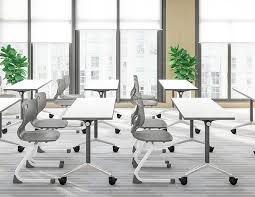
Choosing the right school chairs for different age groups and grade levels is essential for creating a conducive learning environment. The needs of students vary significantly as they progress from early childhood through to high school. Chairs must be tailored to provide adequate support and comfort, fostering an atmosphere where students can focus and thrive. Ergonomics, durability, and adaptability are crucial in determining the best options. The classroom furniture experts at Worthington Direct have provided several key features to consider and highlight the best school chairs for various age groups and grade levels. Knowing this helps teachers make intelligent choices. These choices are suitable for students’ health and their learning.
Ergonomics for Young Learners
For young learners in preschool and kindergarten, ergonomic design is paramount. These children are still developing their posture and motor skills, so chairs must provide proper support. Chairs with a contoured seat and backrest help maintain the natural curve of the spine. The seat height should be adjustable to accommodate different sizes and allow children to sit with their feet flat on the floor. Chairs with rounded edges and lightweight materials ensure safety and ease of use. Additionally, vibrant colors and engaging designs can make the learning environment more inviting and stimulating for young children.
Support for Elementary Students
Elementary students require chairs that support their growing bodies and encourage proper posture. At this stage, adjustable chairs are beneficial to cater to the varying heights of students. A supportive backrest and a comfortable seat are essential for reducing fatigue during long periods of sitting. Chairs with anti-slip features on the legs ensure stability, preventing accidents. Durability is also a key factor, as these chairs need to withstand the daily wear and tear of active children. Ergonomically designed chairs that promote good posture can enhance concentration and learning outcomes for elementary students.
Flexibility for Middle School Students
Middle school students benefit from chairs that offer both comfort and flexibility. Students are more active and engaged in various learning activities at this age. Chairs that are easy to move and rearrange support different classroom setups, such as group work or individual study. Stackable or foldable chairs can be advantageous for classrooms with limited space. Adjustable seats and backrests continue to be important for ergonomic support. Additionally, chairs that include features like swivel bases or attached desks can accommodate a range of learning needs and preferences. Providing adaptable seating options helps middle school students stay comfortable and focused.
Durability for High School Students
High school students require chairs that are both durable and supportive. These students spend significant amounts of time seated, so chairs must be designed for long-term use without causing discomfort. Sturdy materials such as metal or high-quality plastic ensure that chairs can handle the weight and movement of older students. Chairs with ergonomic features are essential. They help your back and improve your posture. Chairs with a modern design and functional features like tablet arms or built-in storage can enhance the learning environment. Investing in high-quality, durable chairs helps maintain a professional and conducive atmosphere in high school classrooms.
Specialized Seating for Special Needs
Students with special needs often require customized seating solutions to support their unique requirements. Specialized chairs can include adjustable armrests, cushioned seats, and harnesses for added stability. These chairs help students feel comfortable and stay focused on learning. Manufacturers can make each chair to fit students’ different needs. Schools should get experts to pick suitable chairs for their students, making learning a better experience for everyone. Providing the right seating can enhance accessibility and inclusivity in the classroom.
Selecting the best school chairs for different age groups and grade levels involves careful consideration of ergonomics, support, flexibility, durability, and specialized needs. Each stage of a student’s development requires specific features to ensure comfort and promote good posture, which can enhance focus and learning outcomes. Picking suitable chairs can help make a classroom better for everyone. Good chairs mean students are comfy and can focus more, which makes learning fairer and more effective for all. Thoughtful selection of school chairs is a vital aspect of classroom management and student success.
