

Faucet leaks and drips are common household problems that can cause annoyance and increased water bills. While they may seem minor, these issues can lead to significant water wastage and potential damage to your fixtures if addressed. Fortunately, with some knowledge and the right tools, many faucet leaks can be fixed without needing to call a professional in Boca Raton FL. We will explore the common causes of faucet leaks, the steps to troubleshoot and repair them, and tips to prevent future leaks.
Identifying the Source of the Leak
The first step in troubleshooting a leaky faucet is to identify the source of the leak. Faucets can leak from various places, including the spout, the handles, or the base, notes Lyon Property Management team. A drip from the spout typically indicates a problem with the faucet’s internal components, such as a worn-out washer, O-ring, or valve seat. Leaks around the handles often suggest issues with the stem or cartridge inside the faucet. If water is pooling around the base of the faucet, the problem may lie with the seals or gaskets. To accurately diagnose the issue, turn off the water supply to the faucet and disassemble it carefully. Examine each component for signs of wear or damage, keeping an eye out for mineral deposits or corrosion that might contribute to the leak. Proper identification of the leak source is crucial for an effective repair.
Fixing a Drip from the Spout
A dripping faucet spout is one of the most common issues homeowners face. This problem often arises from worn-out washers or O-rings within the faucet. Over time, these small rubber parts can deteriorate, allowing water to seep even when the faucet is turned off. You will need to replace the faulty washers or O-rings to fix this. Start by turning off the water supply and removing the faucet’s handle. Once the handle is off, you can access the stem or cartridge, depending on your faucet type. Carefully remove the stem and inspect the washers and O-rings for wear. Replace any damaged parts with new ones, ensuring they match the size and shape of the originals. Reassemble the faucet and turn the water supply back on to check if the drip has stopped. This simple fix can save gallons of water and prevent further damage to your faucet.
Repairing Leaks Around the Handles
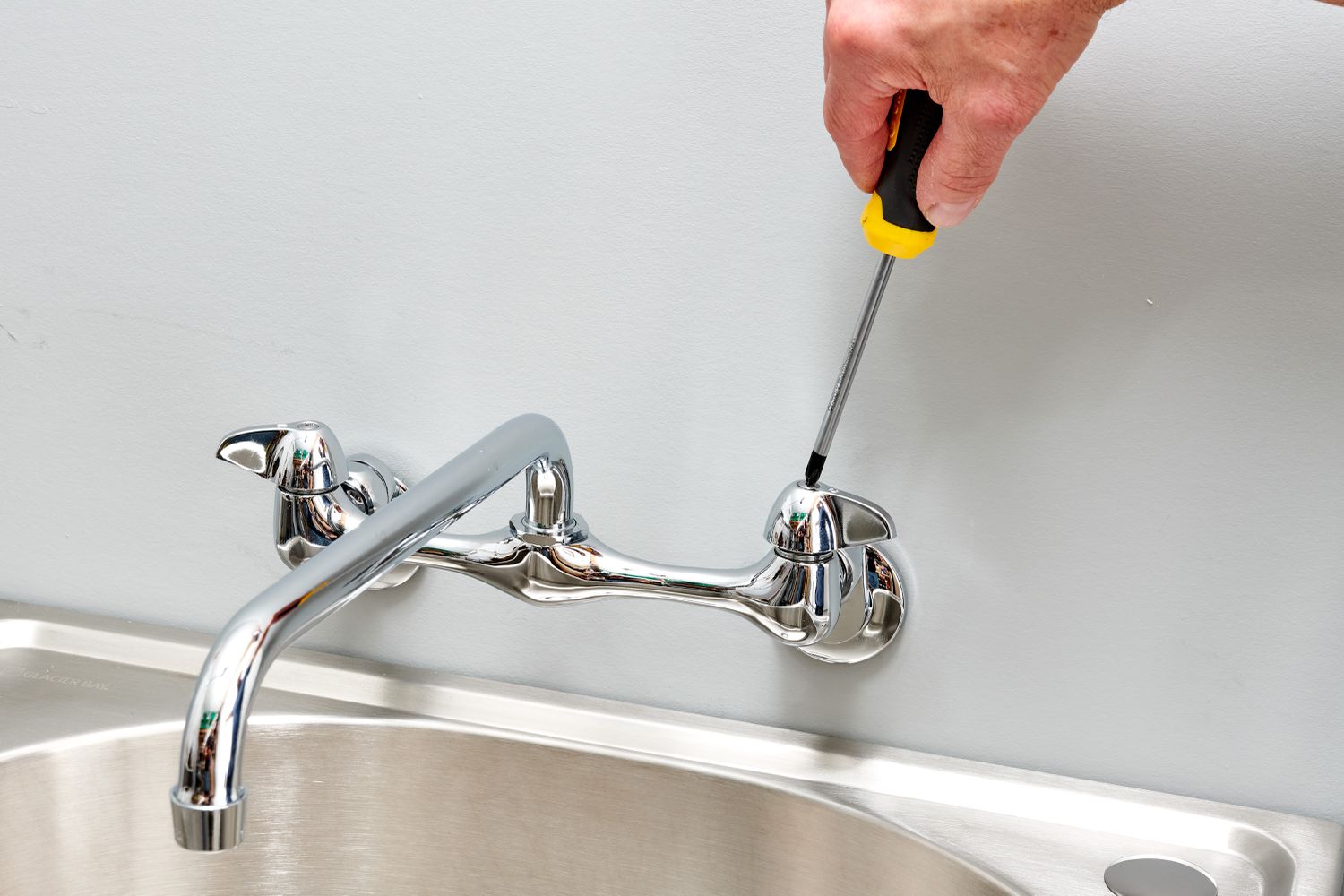
Leaks around the handles of a faucet can be particularly troublesome, as they often indicate problems with the internal stem or cartridge. These components control water flow through the faucet and are prone to wear over time. To repair a handle leak, turn off the faucet’s water supply. Remove the handle by unscrewing it or using a hex wrench to loosen the set screw. Once the handle is off, you will see the stem or cartridge. Carefully remove it and inspect it for signs of wear or damage. If the stem or cartridge is faulty, replace it with a new one that matches your faucet model.
Sometimes, simply tightening the packing nut beneath the handle can resolve the leak. After making the necessary repairs, reassemble the faucet and turn the water back on to ensure the leak is fixed. Regular maintenance and timely replacement of worn parts can keep your faucet handles leak-free.
Addressing Leaks at the Base
Water leaking from the base of a faucet can lead to unsightly water stains and potential damage to your countertop or sink. This type of leak is often caused by worn-out seals or gaskets that prevent water from seeping through the base of the faucet. To address this issue, turn off the water supply and remove the faucet from the sink. Once the faucet is detached, inspect the seals and gaskets for signs of wear or damage. Replace any faulty seals or gaskets with new ones that match your faucet model. Before reattaching the faucet, thoroughly clean the area around the base to remove any debris or old sealant. Apply a thin layer of plumber’s putty or silicone sealant to the base of the faucet before reattaching it to the sink. This extra step helps create a watertight seal and prevents future leaks. Once the faucet is reassembled, turn the water supply back on and check for leaks. Properly sealing the base of your faucet can prevent water damage and extend the life of your fixture.
Preventive Maintenance and Tips
Preventing faucet leaks and drips is more accessible than constantly repairing them. Regular maintenance and simple tips can keep your faucets in good working condition. Start by cleaning your faucets regularly to remove mineral deposits and debris that can cause wear and tear on the internal components. Use a mild cleaner and a soft cloth, and wipe down the faucet and handles to prevent buildup.
Additionally, avoid using excessive force when turning the faucet on and off, as this can strain the internal parts and lead to leaks. Periodically check the condition of washers, O-rings, and seals, replacing them as needed to prevent leaks before they start. If your home has hard water, consider installing a water softener, as this can reduce mineral buildup and extend the life of your faucet. By taking these preventive measures, you can enjoy leak-free faucets and avoid the hassle of frequent repairs.
Addressing common faucet leaks and drips involves understanding the different types and how to fix them. By identifying the source of the leak, whether it’s the spout, handles, or base, and taking the appropriate steps to repair or replace worn components, you can effectively solve these common problems. Regular maintenance and preventive measures can also go a long way in keeping your faucets functioning correctly and preventing future leaks. With a bit of effort and the right approach, you can tackle faucet leaks and drips, ensuring your home has a well-maintained and efficient plumbing system.
