

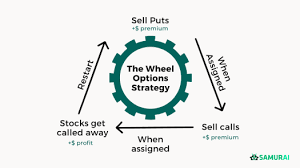
The wheel strategy, a sophisticated method of options trading, has grown in favor due to its capacity to produce steady income while skillfully controlling risk. This article delves into the intricacies of the wheel strategy, offering comprehensive insights, proven tips, and practical tricks to help traders successfully implement this method.
Comprehending The Fundamentals Of The Wheel Approach
At its core, the wheel strategy involves two main components: selling cash-secured puts and, if assigned, selling covered calls against the acquired stock. This dual-pronged approach aims to capitalize on both premium income from options and potential capital gains from stock ownership.
Selling Cash-Secured Puts:
Strike Selection:
Choosing an appropriate strike price is crucial. Opt for strikes that are slightly out-of-the-money to maximize premium income while reducing the likelihood of assignment.
Premium Analysis:
Evaluate the premium relative to the risk. High premiums may seem attractive but could indicate higher risk or volatility.
Risk Management:
Only sell puts on stocks you are willing to own at the strike price. Ensure you have sufficient cash reserves to buy the stock if assigned.
Selling Covered Calls:
Strike Price Consideration:
Select strike prices above your cost basis to potentially capture capital gains if the stock is called away.
Time Horizon:
Choose expiration dates that align with your outlook on the stock’s movement. Shorter expirations offer more frequent premium collection opportunities.
Market Conditions:
Adjust strike prices and expiration dates based on market volatility and your expectations for the stock’s price movement.
Advanced Strategies And Techniques
Beyond the basic mechanics, advanced strategies can enhance the effectiveness of the wheel strategy and mitigate potential risks.
Rolling Options:
Rolling Puts:
If the underlying stock price declines and you are at risk of assignment, consider rolling the put option to a later expiration or lower strike price to collect additional premium and potentially avoid assignment.
Rolling Calls:
If the stock price rises and you anticipate the stock being called away, roll the call option up to a higher strike price or out to a later expiration to capture more upside potential.
Earnings Season Approach:
Timing Entries:
Consider initiating positions before earnings announcements to capitalize on elevated premiums. However, be prepared for heightened volatility and potential market swings.
Dividend Capture Strategy:
Timing Covered Calls:
Strategically sell covered calls on dividend-paying stocks just after ex-dividend dates to maximize premium income without sacrificing dividend payouts.
Risk Management And Adjustment Techniques
For options traders to be successful over the long run, they must effectively manage risk, particularly when using methods like the wheel.
Position Sizing:
Avoid over-committing capital to any single position. Based on your overall portfolio strategy and risk tolerance, decide on the right size for each trade.
Diversification:
Spread your trades across different sectors and underlying stocks to mitigate sector-specific risks and avoid concentration in a single stock.
Monitoring And Adjustments:
Stay Informed:
Regularly monitor market conditions, news, and earnings reports that may impact your positions.
Adjustment Strategies:
Be prepared to adjust your positions promptly if market conditions change unfavorably. This may include rolling options, adjusting strike prices, or closing out positions to manage risk.
Psychological Considerations And Discipline
Successful implementation of the wheel strategy also requires psychological discipline and a structured approach to decision-making.
Emotional Discipline:
Refrain from acting rashly out of greed or fear. Respect your risk management guidelines and established trading plan.
Patience And Persistence:
Understand that not every trade will be profitable. Consistency and persistence in applying the strategy over time are key to achieving long-term success.
Conclusion
The wheel strategy offers a structured and systematic approach to generating income from options trading while managing risk effectively. By understanding the nuances of selling cash-secured puts and covered calls, employing advanced strategies for adjustments and risk management, and maintaining psychological discipline, traders can enhance their chances of success with this method. With continued practice, education, and adaptation to market conditions, traders can master the wheel strategy and integrate it into their overall investment approach for consistent profitability over the long term.
