

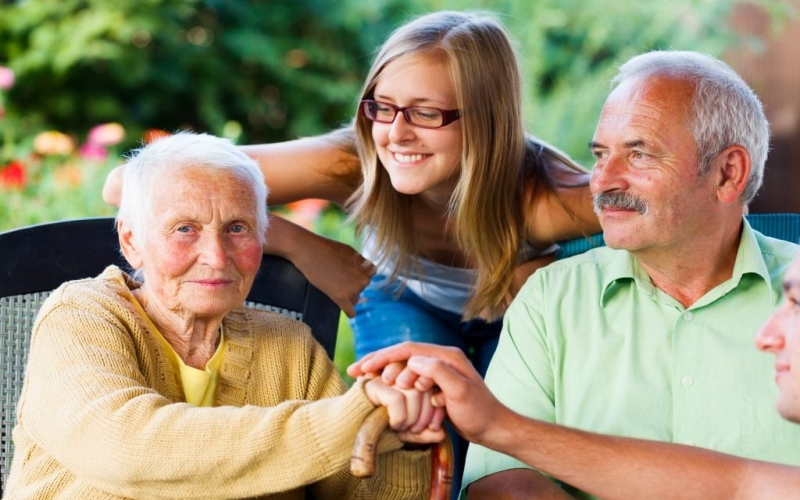
Your insight and knowledge about your loved one can provide valuable information to the caregiving team in the senior living residence. By sharing some of the important details about your loved one’s preferences, habits, and medical history, you will be able to assist the caregivers in providing the best care possible.
Promoting emotional well-being:
Regular visits and interactions with family members can greatly impact the emotional well-being of our residents. Your presence brings comfort, joy, and a sense of belonging to your loved one, reducing feelings of loneliness and isolation. By fostering a supportive and loving environment, families contribute to their happiness and emotional stability.
Strengthening social connections:
Family involvement encourages socialization and meaningful connections among residents. Through family gatherings, outings, and shared activities, residents have the opportunity to bond with their loved ones and fellow community members. Having these forms of social interactions fosters a sense of community and belonging, promoting mental stimulation and overall happiness. Having activities and events for senior living residents helps to promote interaction with other residents and social participation.
Providing emotional support:
Navigating the challenges of aging and transitioning to social care can be overwhelming for both residents and their families. The emotional support and encouragement that the family provides can make a significant difference during the transition period of moving into a senior living resident. Family members will be able to offer a listening ear, reassurance, and unconditional love families provide unconditional love which will help alleviate stress and anxiety, promoting a sense of security and well-being.
Enhancing Cognitive Function:
Family involvement can stimulate cognitive function and memory retention in seniors. Engaging in meaningful conversation, reminiscing about shared experiences, and participating in cognitive activities with family members can help seniors stay mentally sharp and engaged. These interactions contribute to overall health and brain development and often have been seen to help delay cognitive decline.
How you as family members can get involved:
Family involvement is highly encouraged in every aspect of senior care. Here is a list of some ways that families can actively participate in their loved one’s journey in senior resident communities.
- Attend care planning meetings to discuss your loved one’s needs and preferences
- Participate in recreational activities, outings, and family events organized by your community
- Stay informed about your loved one’s health status and communicate regularly with our caregiving team
- Offer emotional support, companionship, companionship, and encouragement during visits and interactions.
- Advocate for your loved one’s rights, preferences, and quality of life.
- By actively engaging in your loved one’s care, you play a vital role in ensuring their happiness, well-being, and overall satisfaction with senior care services.
Maintaining Family Connections in Assisted Living:
Strong family connections are essential in ensuring a positive experience in assisted living.
Some ways that families can maintain these vital bonds:
- Regular visits:
- Make consistent visits a priority, participating in facility activities to foster shared experience.
- Technology for connection:
- Use digital means to keep distant family members involved. Doing a Facetime or Skype on a regular basis can be like magic for them.
- Celebrating together:
- Mark special occasions within or outside the facility to maintain a sense of belonging and joy. Just because they are not at home with you does not mean that they can’t feel that way.
- Encouraging independence:
- Balance involvement with encouraging autonomy for a fulfilling experience. This will take practice to find the perfect balance.
Family involvement is essential for successful senior care. Your active participation strengthens connections, enhances quality of life, and promotes emotional well-being among residents in senior living communities. Regular visits, open communication, and a willingness to understand and address the emotional impacts are all integral parts of this journey.
