

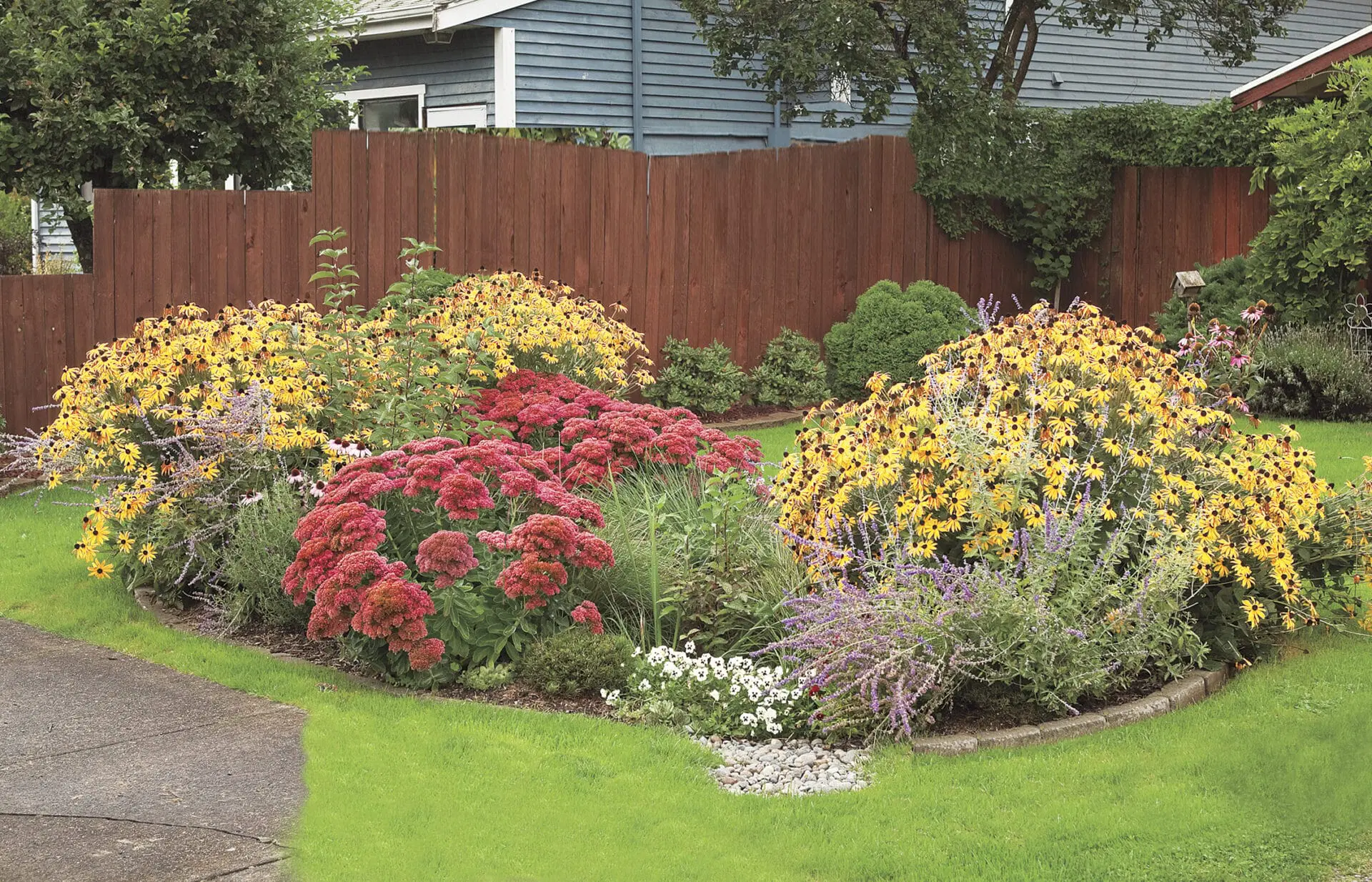
Spring rain can bring welcome moisture to lawns and gardens, but it can also create drainage problems around the home. Many homeowners begin seasonal maintenance to protect their property and prevent flooding, often turning to trusted professionals like Westland Heating, Air Conditioning and Plumbing for guidance. Taking a few preventative steps before heavy rainfall arrives can make a significant difference.
Inspect the Slope of Your Yard
The yard’s slope plays an important role in proper drainage. Ideally, the ground should slope gently away from the home’s foundation. This natural direction encourages rainwater to flow away from the structure.
If the yard slopes toward the house, water may collect near the base of the walls. Over time, this moisture can weaken the foundation and cause structural problems. Adjusting the soil grade can help safely redirect water.
Small grading changes can sometimes quickly solve drainage problems. Adding soil near the foundation and smoothing it outward can improve water flow. This simple adjustment often reduces pooling after storms.
Keep Gutters and Downspouts Clear
Gutters and downspouts guide rainwater away from the roof and foundation. When they become clogged with leaves or debris, water may overflow and fall directly near the home. This can quickly create puddles around the base of the structure.
Cleaning gutters at the start of spring helps prevent this issue. Removing leaves, twigs, and dirt allows water to flow freely through the system. Proper gutter function is one of the easiest ways to reduce water buildup.
Downspouts should also extend far enough away from the home. Extensions or splash blocks can help direct water several feet from the foundation. This prevents moisture from collecting near the basement walls.
Improve Soil Drainage
Soil composition has a major effect on how quickly water drains. Heavy clay soil holds moisture longer and drains more slowly than sandy soil. This can lead to standing water in certain areas of the yard.
Adding organic material, such as compost, can improve soil structure. Looser soil allows water to move through it more easily. Over time, this helps reduce puddles and soggy areas.
Aerating the lawn is another helpful step. Small holes created during aeration allow air and water to reach the grass roots. This process also improves overall soil drainage.
Maintain Outdoor Drainage Systems
Many properties include outdoor drains that help control excess water. These drains collect rainwater and move it away through underground pipes. When working properly, they prevent pooling in low areas.
Debris such as leaves, dirt, and grass clippings can block these drains. A blocked drain prevents water from flowing into the drainage system. This can cause water to collect in the yard during storms.
Regular inspections help ensure drains remain clear. In some cases, homeowners rely on professional storm drain cleaning services to remove buildup. These services help keep drainage systems working efficiently.
Watch for Low Spots in the Yard
Low spots in the yard naturally collect water during rainfall. Even a small dip in the ground can become a temporary pond during heavy storms. Identifying these areas early helps prevent future problems.
Filling low spots with soil can level the yard’s surface. Once filled, grass or ground cover can grow over the area. This reduces the chance of water pooling in the same location.
In some situations, installing a small drainage channel may be helpful. Channels guide water toward a designated drain or safer part of the yard. This approach helps control water movement during storms.
Protect Your Home’s Foundation
Water buildup near the foundation can lead to serious damage over time. Moisture may seep into basement walls or crawl spaces. This can cause mold growth and structural concerns.
Keeping water away from the foundation should always be a priority. Proper yard grading, functioning gutters, and clear drains all contribute to this goal. Each small step helps protect the home.
Homeowners should also regularly inspect the foundation. Look for cracks or signs of moisture after heavy rain. Addressing these issues early can prevent costly repairs.
Final Thoughts
Preparing the yard for spring rain is one of the best ways to prevent water buildup around the home. Simple tasks such as clearing gutters, improving soil drainage, and adjusting the yard’s slope can make a noticeable difference. If drainage concerns persist, professional assistance from Westland Heating, Air Conditioning and Plumbing can provide reliable solutions.
