

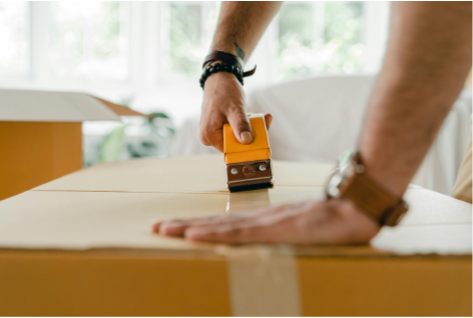
Moving into a new home sounds exciting at first, but once the boxes start piling up, things can get messy quickly. A lot of people think moving is simple until small mistakes begin stacking up. Below, we’ll look at the mistakes that tend to cause the most trouble when people move to a new home, why they happen so often, and the simple choices that can make the whole experience calmer and easier.
Understanding the Time It Takes to Prepare
People often think packing will only take a weekend, but every room hides objects that need sorting, wrapping, and labeling. Starting a moving-out-of-state checklist early can keep things calmer later.
Experienced movers normally begin their plans about three weeks before moving day. Closets and storage corners are a good place to start. Packing a little each day makes the job easier and helps you spot fragile belongings that need careful protection.
Professionals frequently suggest working with moving and storage companies when time feels limited. Portable containers let families load slowly over several days instead of rushing everything in one weekend, which protects furniture and keeps boxes easier to manage.
A small packing map can also make a big difference. Assign spaces for each room, label boxes clearly, and keep packing tools together. Staying organized early saves time later, especially when bringing everything inside the new home and arranging it.
Failing to Organize and Protect Belongings Properly
Careless packing causes a surprising amount of trouble during moves. People rush, tossing items into boxes just to finish quickly. Later, those boxes are opened and suddenly there is broken glass, tangled cords, or pieces missing.
Packing the right way begins by sorting items based on type and fragility. Plates, electronics, books, and clothing should not be packed the same way. Packing paper, bubble wrap, and strong boxes help balance weight and prevent shifting during transport.
Tables, dressers, and appliances scratch very easily while being loaded. Using good padding and understanding how to protect furniture properly help prevent lasting damage if items move slightly. Valuable items should always be handled with extra care. Important papers, small electronics, and personal valuables belong in clearly labeled boxes kept with you. Keeping them separate makes unpacking easier and helps protect the things that matter most.
Ignoring Storage Needs During the Move
Move-in and move-out dates not lining up occurs more often than expected. Keys arrive late, paperwork moves slowly, and suddenly furniture has no safe place waiting. A simple solution is arranging short-term storage before moving day gets close. That extra step gives breathing room if schedules change. Planning ahead and using simple ways to move with less stress helps keep belongings protected during final home preparations.
Storage also becomes useful when the new space turns out smaller than expected. Many families discover this only after moving inside. Leaving some items stored for a few weeks creates time to figure out what really belongs there.
Professionals who deal with relocations regularly recommend planning storage as a safety backup. Even if everything goes smoothly, the option prevents last-minute confusion and protects furniture. It also helps families move on a tighter budget without rushing choices.
Endnote
Moving to a new home becomes much easier when people avoid the common mistakes that cause stress. Preparing early, packing with care, and thinking ahead about storage can prevent damage, delays, and confusion, allowing the move to stay organized from beginning to end.
