

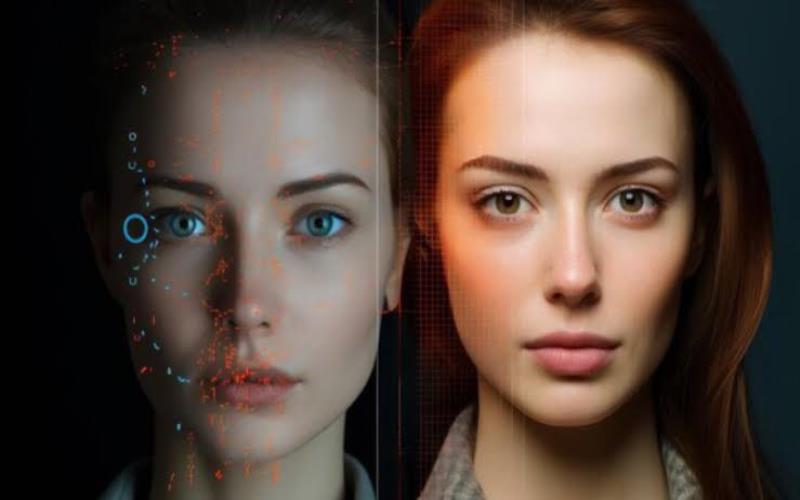
The advent of face swap technology has revolutionized the digital landscape, offering a blend of entertainment, creativity, and advanced artificial intelligence (AI). This intriguing innovation allows users to interchange faces in videos and photos, creating amusing, realistic, and sometimes surreal results. In this article, we will delve deep into the world of face swap, exploring the technology behind face swap videos, the role of face swap AI, and the impact this technology has on various sectors.
Contents
- 1 Introduction to Face Swap Technology
- 2 The Evolution of Face Swap
- 3 How Face Swap Technology Works
- 4 The Role of Face Swap AI
- 5 Deep Learning and Neural Networks
- 6 Enhancing User Experience
- 7 Popular Applications and Platforms for Face Swap
- 8 Snapchat
- 9 FaceApp
- 10 Reface
- 11 DeepFaceLab
- 12 Ethical Considerations and Privacy Concerns
- 13 Deepfakes and Misinformation
- 14 Privacy and Consent
- 15 The Future of Face Swap Technology
- 16 Improved Realism
- 17 Expanded Use Cases
- 18 Ethical and Regulatory Frameworks
- 19 Conclusion
Introduction to Face Swap Technology
Face swap technology has captivated millions worldwide, allowing users to create content where their faces are swapped with someone else’s. Initially popularized by mobile apps, this technology has since expanded to various platforms, offering both casual users and professionals the tools to create compelling face swap video. The key allure of face swap lies in its ability to produce realistic and often humorous results, making it a popular choice for social media content creators and digital artists.
The Evolution of Face Swap
The journey of face swap technology began with rudimentary photo-editing tools that allowed users to manually swap faces in images. However, the real breakthrough came with the integration of AI and machine learning, which automated the process and enhanced its accuracy. Early applications like Snapchat’s face swap filter brought this technology into the mainstream, paving the way for more sophisticated tools that could handle face swaps in videos.
How Face Swap Technology Works
Face swap technology relies on a combination of computer vision, machine learning, and AI to identify and replace faces in images and videos. Here’s a breakdown of the process:
- Face Detection: The technology first detects and analyzes the faces in the source and target images or videos. This involves identifying key facial landmarks such as the eyes, nose, mouth, and jawline.
- Face Alignment: Once the faces are detected, the technology aligns them to ensure that the facial features match correctly. This step is crucial for creating a realistic face swap.
- Face Blending: The aligned faces are then blended seamlessly, taking into account skin tone, lighting, and texture to ensure a natural look.
- Rendering: Finally, the swapped face is rendered onto the target image or video, creating a smooth and realistic transition.
The Role of Face Swap AI
Artificial intelligence plays a pivotal role in enhancing the accuracy and realism of face swap technology. Face swap AI algorithms use deep learning techniques to analyze and understand facial features, expressions, and movements. This enables the technology to perform face swaps that are not only visually convincing but also dynamic, allowing for realistic expressions and movements in face swap videos.
Deep Learning and Neural Networks
Deep learning, a subset of AI, involves training neural networks on vast datasets of faces. These neural networks learn to recognize and replicate facial features with high precision, making the face swap process more accurate. Generative adversarial networks (GANs) are particularly effective in this regard, as they can generate highly realistic images and videos.
Enhancing User Experience
Face swap AI has significantly improved the user experience by making the technology accessible and easy to use. Users can now create face swap videos with just a few clicks, thanks to AI-powered applications that handle the complex processing in the background. This democratization of technology has opened up new avenues for creativity and self-expression.
Popular Applications and Platforms for Face Swap
Several applications and platforms have harnessed the power of face swap AI to offer users innovative and entertaining experiences. Here are some of the most popular ones:
Snapchat
Snapchat was one of the pioneers in bringing face swap technology to the masses. Its face swap filter became an instant hit, allowing users to swap faces in real-time using their smartphone cameras. The app continues to innovate with new filters and augmented reality (AR) features.
FaceApp
FaceApp gained popularity with its advanced face swap capabilities, including aging filters and gender swaps. The app uses AI to create realistic transformations, making it a favorite among social media users.
Reface
Reface is another popular app that focuses on face swap videos. It allows users to insert their faces into famous movie scenes, music videos, and GIFs, creating personalized and shareable content.
DeepFaceLab
DeepFaceLab is a more advanced tool used by professionals and enthusiasts to create high-quality face swap videos. It provides powerful features for training and applying face swap AI models, offering greater control and customization.
Ethical Considerations and Privacy Concerns
While face swap technology offers immense creative potential, it also raises several ethical and privacy concerns. The ability to create realistic face swap videos has led to the emergence of deepfakes, which can be used to spread misinformation and manipulate public perception.
Deepfakes and Misinformation
Deepfakes are a form of face swap technology that uses AI to create highly realistic videos of people saying or doing things they never actually did. This has significant implications for politics, entertainment, and personal privacy, as deepfakes can be used to spread false information and harm reputations.
Privacy and Consent
The use of someone’s face without their consent raises privacy issues. It’s essential for developers and users of face swap technology to consider the ethical implications and ensure that they have permission to use the images and videos of others.
The Future of Face Swap Technology
The future of face swap technology is bright, with continuous advancements in AI and machine learning paving the way for even more sophisticated and realistic applications. Here are some potential developments we can expect:
Improved Realism
As AI algorithms become more advanced, face swap technology will achieve even greater levels of realism. This will make it harder to distinguish between real and fake content, highlighting the need for robust verification methods.
Expanded Use Cases
Beyond entertainment, face swap technology has the potential to revolutionize various industries, including film, advertising, and virtual reality. For instance, actors could digitally appear in movies without being physically present, and advertisers could create personalized ads that resonate with individual viewers.
Ethical and Regulatory Frameworks
To address the ethical and privacy concerns, there will be a growing emphasis on developing regulatory frameworks and guidelines for the responsible use of face swap technology. This will help balance innovation with the protection of individuals’ rights and privacy.
Conclusion
Face swap technology, powered by advanced AI, has transformed the way we create and consume digital content. From entertaining face swap videos to sophisticated applications in various industries, the possibilities are endless. However, it is crucial to navigate the ethical and privacy challenges associated with this technology to ensure its responsible use. As we look to the future, face swap AI will continue to evolve, offering new and exciting opportunities while demanding careful consideration of its implications.
