

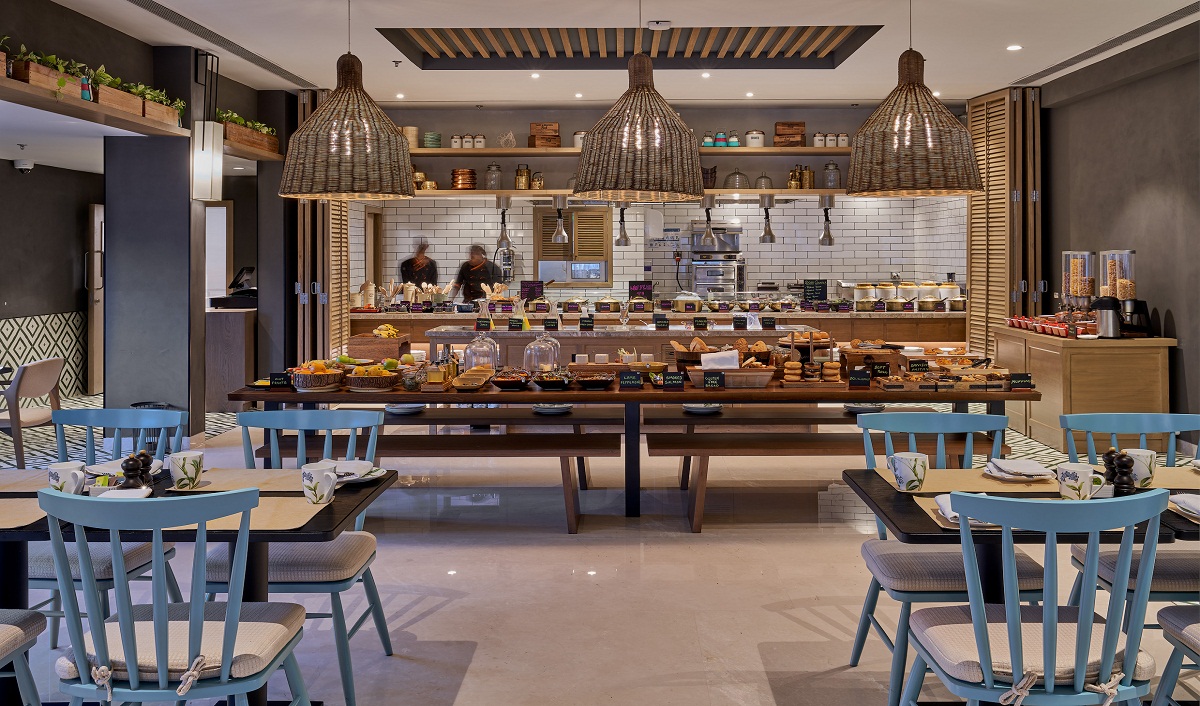
Casual Comfort: Restaurant Furniture Choices for Cafés
Cafés thrive on creating a welcoming, laid-back environment where guests feel comfortable working, chatting, or simply enjoying coffee. The restaurant furniture in cafés is usually casual, versatile, and designed for comfort over long periods. Lightweight chairs, small tables, and cozy booths are common, allowing customers to settle in with laptops or books. Many cafés use wood, wicker, or metal furniture that reflects a rustic or modern aesthetic, depending on the brand identity. Flexibility is also key—tables that can be moved easily support both solo visitors and small groups. Café furniture often blends style with practicality, incorporating warm tones, cushioned seating, and relaxed designs to encourage repeat visits. Ultimately, the restaurant furniture in cafés is less formal but essential in setting the right mood and making the space feel approachable, homey, and customer-friendly.
Durability and Functionality in Diner-Style Restaurant Furniture
Diners are fast-paced, casual restaurants where durability and practicality are top priorities. The restaurant furniture in diners must handle heavy daily use and quick customer turnover. Sturdy booths with vinyl upholstery are a staple, offering comfort while being easy to clean between guests. Laminate tables and metal-framed chairs are also popular choices, providing long-lasting durability at a reasonable cost. Unlike fine dining or cafés, the focus here is less on aesthetics and more on efficiency, with furniture designed to support high-volume traffic. Bright colors, retro styles, and bold finishes often reflect the traditional diner aesthetic, but functionality remains central. Furniture should resist scratches, stains, and spills to maintain a clean look. By combining resilience with casual style, diner furniture creates an inviting yet practical space that serves guests quickly and effectively, while standing the test of time.
Elegance and Sophistication in Fine Dining Restaurant Furniture
Fine dining establishments require restaurant furniture that embodies elegance, sophistication, and exclusivity. Here, every piece of furniture is carefully chosen to complement the upscale atmosphere and enhance the customer’s dining experience. Solid hardwood tables, upholstered chairs, and high-end finishes such as marble or leather are common choices. The goal is to create an ambiance of luxury, where guests feel they are receiving more than just a meal—they are enjoying an experience. Comfort is equally important, with ergonomic seating that allows guests to relax for longer meals. Fine dining restaurant furniture often features neutral tones, polished finishes, and designs that seamlessly match the interior décor. The investment is higher compared to diners or cafés, but the return lies in customer perception, loyalty, and the prestige associated with the brand. Furniture here is not just functional—it is part of the restaurant’s identity.
How to Match Restaurant Furniture with Dining Concepts and Customer Expectations
Regardless of the type of establishment, restaurant furniture must align with the dining concept and customer expectations. A café that uses overly formal furniture might feel unwelcoming, while a fine dining restaurant with casual pieces would struggle to maintain its image of sophistication. The choice of materials, colors, and layouts should always support the intended ambiance. For instance, diners thrive on practical booths, while cafés focus on versatility and fine dining on luxury. Restaurant owners must also consider guest comfort, space efficiency, and long-term durability when making decisions. Matching furniture to dining concepts ensures consistency across the customer journey, from décor to dining style. When furniture reflects the brand promise and meets guest needs, it elevates the entire dining experience, strengthening both reputation and customer satisfaction.
Conclusion
Restaurant furniture is a defining factor that distinguishes cafés, diners, and fine dining restaurants. Cafés rely on comfort and versatility to attract guests who want a casual, welcoming environment. Diners emphasize practicality and durability, focusing on high-traffic functionality while maintaining a casual charm. Fine dining restaurants, on the other hand, invest in sophisticated, elegant furniture that enhances exclusivity and creates a luxurious atmosphere. Across all dining formats, the key is aligning furniture with brand identity and customer expectations. By thoughtfully choosing restaurant furniture that matches the style and function of the establishment, owners can enhance ambiance, improve guest comfort, and ensure long-term success. In every case, the right furniture transforms a dining space from merely functional to an experience that customers remember, enjoy, and return to time after time.
