

Contents
Key Takeaways
- Committing to regular dental appointments is vital for identifying and solving oral health problems early.
- Daily brushing, flossing, and proper use of oral hygiene products guard against infection and decay.
- The impact of preventive dental care extends beyond the mouth, influencing heart health and more.
Prioritizing preventive dental care is one of the simplest and most effective ways to enjoy better health and confidence for life. By establishing smart oral habits and working with a dental team, individuals can address issues before they start and keep their teeth and gums resilient. Understanding the fundamentals of dental care empowers people to make better choices and benefit from expert services such as those offered by a cosmetic dentist, ensuring every smile is as healthy as possible.
Routine preventive practices don’t just protect smiles; they reduce the risk of many secondary health concerns. Investing in appropriate care at every stage, from regular check-ups to daily brushing, safeguards against discomfort and expense. As awareness around oral health expands, people are increasingly recognizing how these practices support well-being throughout the lifespan.
The Importance of Regular Dental Check-Ups
One of the best defenses against cavities, gum disease, and other oral problems is to visit the dentist regularly. Professionals use exams and specialized cleanings to spot trouble at its earliest stage and remove plaque that is difficult to reach at home. Even subtle symptoms, such as minor gum bleeding or slight enamel discoloration, are best evaluated during these visits. According to the Mayo Clinic, most adults should schedule dental check-ups every six months, adjusting as needed based on their dentist’s recommendations.
Daily Oral Hygiene Practices
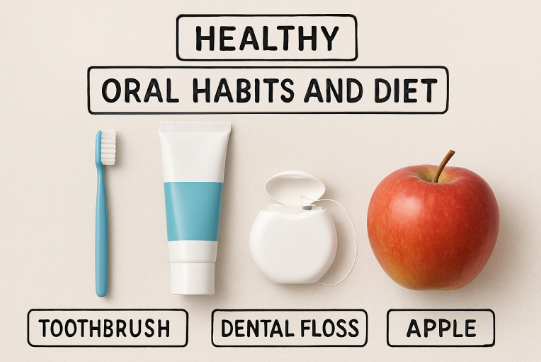
Building a strong foundation for oral health starts with simple daily tasks. For the vast majority of people, brushing twice daily with fluoride toothpaste removes food debris and bacterial plaque, while flossing at least once per day cleans areas a toothbrush cannot reach. Many benefit from including antimicrobial mouthwash to reduce bacteria that cause gum disease and bad breath. Consistency is key; making these activities habitual provides continual protection and sets both children and adults up for long-term success.
Diet and Its Impact on Oral Health
The foods and drinks we consume every day play a significant role in oral health. A diet rich in vegetables, leafy greens, lean proteins, and dairy products provides calcium, vitamins, and antioxidants that support strong teeth and healthy gums. On the other hand, foods high in sugar, such as candy and soda, can accelerate enamel breakdown and lead to cavities. Steering clear of acidic beverages also helps reduce enamel erosion. Small dietary adjustments, like snacking on carrots or yogurt instead of sticky sweets, can pay off with brighter smiles and fewer dental visits.
Fluoride Treatments and Dental Sealants
Professional fluoride applications and dental sealants are excellent preventive measures, especially for youth and anyone at a higher risk of decay. Fluoride strengthens tooth enamel, making it more resistant to the acids produced by plaque bacteria. Dental sealants are quick, painless coatings applied to the chewing surfaces of molars. They act as a barrier, preventing food and germs from getting caught in tiny grooves. Combined, these services reduce the likelihood of cavities and support a healthier future for patients of all ages.
The Connection Between Oral Health and Overall Health
Current research continues to underscore the deep link between oral health and overall well-being. The bacteria that cause gum disease have been associated with increased risks of cardiovascular disease and complications for people managing diabetes. Routine oral care and treatment for gum inflammation may help reduce these risks and improve overall outcomes. The Centers for Disease Control and Prevention highlights the importance of oral care in lowering the risk for certain chronic diseases and stresses that prevention starts at home as well as in the dental office.
Preventive Care for Children
Good oral hygiene must start during childhood. Parents are encouraged to supervise and demonstrate brushing and flossing, making dental care a fun, positive part of each day. Bringing children in for regular check-ups introduces them to a welcoming dental environment and helps catch issues such as early decay or misalignment before they become major problems. Programs dedicated to children’s dental health report significant reductions in school absences due to dental pain and infections. The impact is clear: when kids learn healthy habits early, they are more likely to benefit from them for life.
Overcoming Dental Anxiety
For many people, dental anxiety is a very real concern that can keep them from seeking essential preventive services. Open communication with a dental team makes a significant difference. Dental professionals can suggest behavioral strategies or discuss sedation options to maximize comfort. Practicing mindfulness or deep-breathing exercises before appointments, and bringing along calming music or a supportive friend, can also help. Overcoming fear is achievable, and those who take steps to do so often find dental visits less stressful, which means their health does not suffer.
Conclusion
Maintaining a healthy smile starts with a commitment to preventive dental care. Regular dental visits, thorough daily hygiene, a nutritious diet, and awareness of the oral-systemic health connection form the backbone of excellent dental health. By making these simple practices a routine part of life, both children and adults can look forward to brighter, stronger smiles and a reduced risk of many health complications for years to come.
