

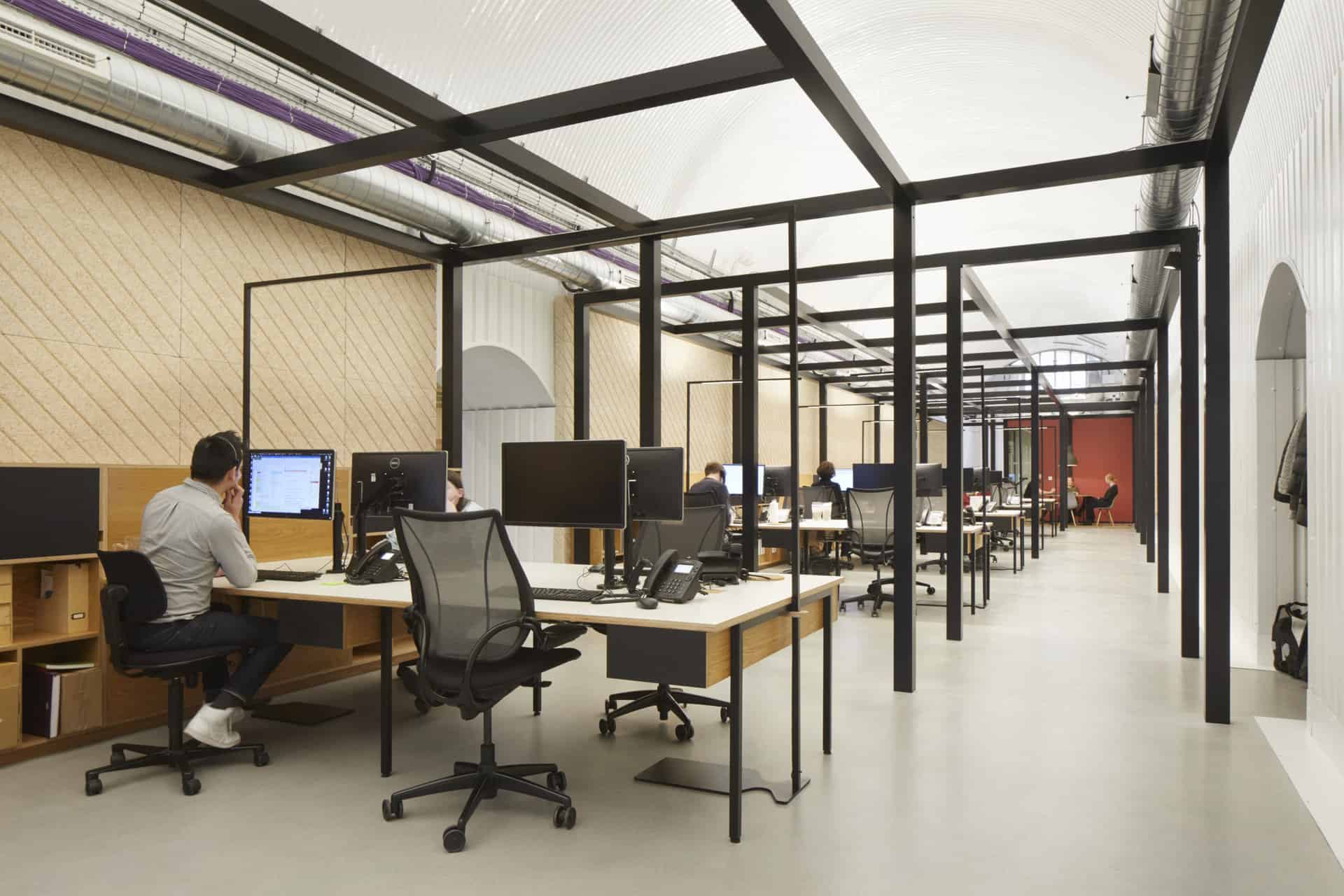
A workplace is more than desks and walls—it’s an environment that influences how people think, collaborate, and perform every day. In today’s hybrid and fast-paced business world, strategic office design and construction play a critical role in creating spaces that drive productivity, wellbeing, and long-term growth.
Whether you’re building a new office or refurbishing an existing one, understanding how design and construction decisions affect performance can help you make smarter investments in your workspace.
What Does Office Design and Construction Involve?
Office design and construction covers the full lifecycle of creating a workspace, from initial planning and layouts to fitout, finishes, and final delivery.
It typically includes:
- Workplace strategy and space planning
- Interior design and branding
- Building works and fitouts
- Electrical, data, and lighting systems
- HVAC and acoustic solutions
- Furniture and joinery installation
- Compliance and safety checks
Why Office Design and Construction Matter for Productivity
Poorly planned offices lead to distractions, inefficiencies, and disengaged employees. Well-executed office design and construction, on the other hand, support focus, collaboration, and comfort.
Key Business Benefits
- Improved Workflow – Logical layouts reduce wasted movement.
- Higher Employee Engagement – Comfortable environments boost morale.
- Enhanced Collaboration – Purpose-built meeting spaces encourage teamwork.
- Stronger Brand Image – Professional interiors impress clients and recruits.
- Future-Proofing – Flexible spaces adapt to growth and change.
How Design and Construction Shape High-Performing Workspaces
Smart Space Planning
Effective layouts are the foundation of productive offices.
Key considerations include:
- Open-plan zones balanced with quiet areas
- Collaboration hubs and breakout rooms
- Clear circulation paths
- Storage solutions
- Reception and client-facing spaces
Lighting and Acoustics
Light and sound directly affect concentration and wellbeing.
Productive offices feature:
- Maximised natural daylight
- Energy-efficient LED lighting
- Task lighting for workstations
- Acoustic panels and ceiling treatments
- Soundproof meeting rooms
Ergonomics and Employee Comfort
Comfortable employees are productive employees.
Design elements that matter:
- Adjustable desks and chairs
- Sit-stand workstations
- Monitor arms
- Temperature control
- Wellness or quiet rooms
Technology Integration
Modern offices must support digital workflows.
Essential inclusions:
- High-speed data cabling
- Video conferencing rooms
- Smart lighting systems
- Wireless presentation tools
- Power access at every workstation
Sustainability and Wellness
Green design reduces operating costs and supports health.
Common features include:
- Energy-efficient HVAC systems
- Low-VOC materials
- Recycling stations
- Indoor plants and biophilic elements
- Natural ventilation
Planning for Success from the Start
Strong outcomes depend on detailed upfront strategy. Many project teams focus on office design and construction planning considerations such as budget control, timelines, compliance, and future expansion to avoid costly redesigns later.
How to Choose the Right Office Design and Construction Partner
Working with experienced professionals makes all the difference.
Look for Teams That Offer:
- End-to-end project management
- Proven commercial portfolios
- Clear communication and reporting
- Transparent pricing
- Sustainability expertise
- Knowledge of local building codes
Conclusion: Build Workspaces That Work
Strategic office design and construction shape how people experience work every day. By prioritising layout, comfort, technology, and sustainability, businesses can create environments that boost productivity, support wellbeing, and reflect their brand.
With careful planning and the right delivery team, your next office project can become a powerful asset—helping your organisation thrive well into the future.
