

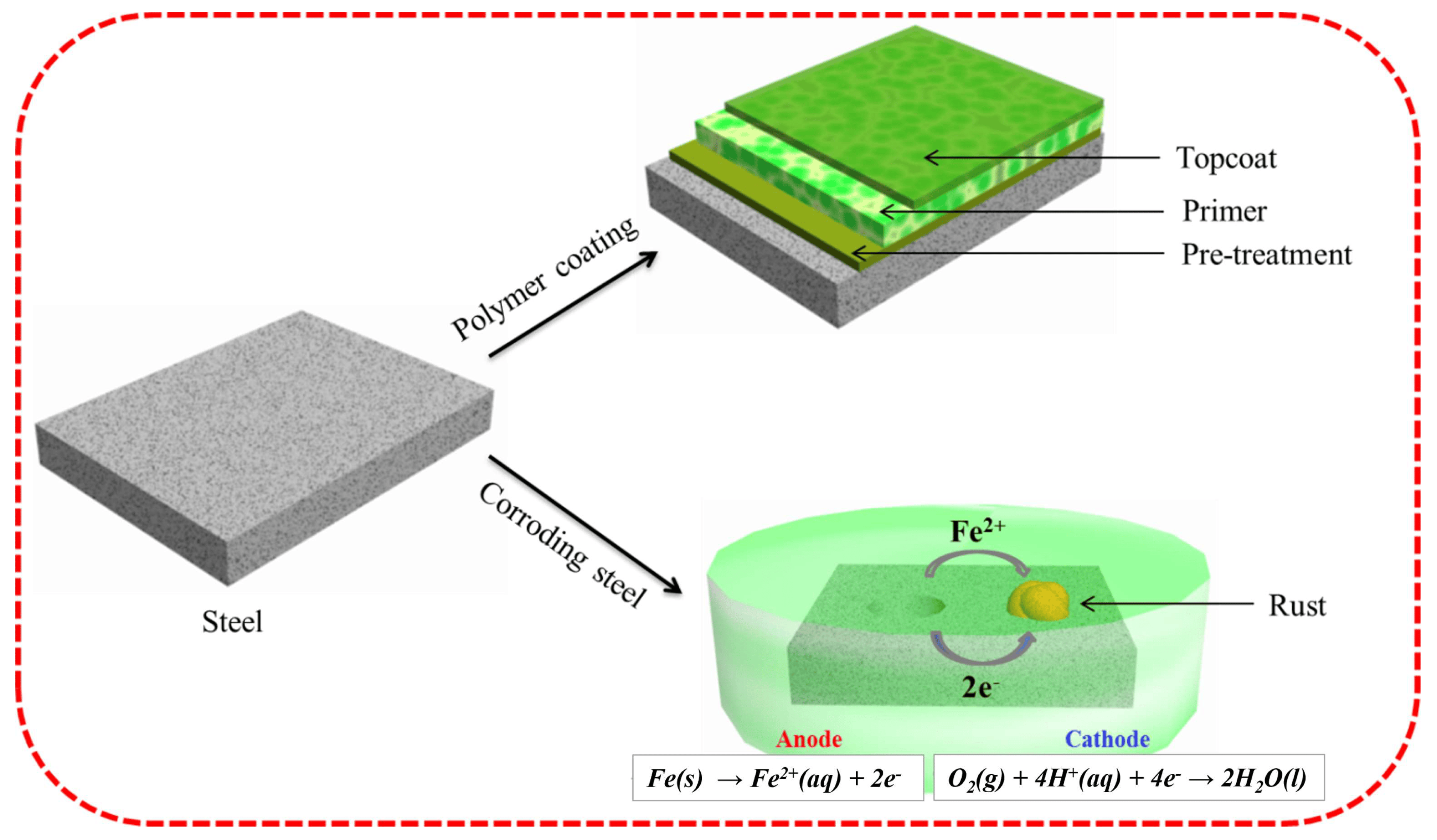
In industries ranging from aerospace to automotive, construction to electronics, metal coatings play a critical role in enhancing the durability, functionality, and aesthetic appeal of materials. These coatings protect metals from corrosion, wear, oxidation, and other environmental stresses, significantly prolonging the lifespan of metal-based components. However, the performance and longevity of these coatings depend heavily on their composition, structure, and adhesion to the base metal. To ensure the quality of these coatings, advanced surface analysis techniques are crucial. One such technique is X-ray Photoelectron Spectroscopy (XPS), a powerful tool that offers detailed insights into the chemical composition and surface properties of metal coatings.
Why XPS?
X-ray Photoelectron Spectroscopy (XPS), also known as Electron Spectroscopy for Chemical Analysis (ESCA), is a surface-sensitive analytical technique used to measure the elemental composition, chemical state, and electronic state of the surface atoms within a material. When a sample is exposed to X-rays, photoelectrons are emitted from the material’s surface. These emitted electrons are collected and analyzed, providing valuable data about the types and quantities of elements present on the surface, as well as their chemical bonding environment.
In the context of metal coatings, XPS provides a non-destructive means of characterizing the top layers of the coating, offering detailed information about the coating’s elemental composition, oxidation states, and potential contamination. This is particularly useful for evaluating coatings that protect metals from corrosion or wear, such as chromate conversion coatings, galvanic coatings, and various organic and inorganic paint layers.
The Role of XPS in Metal Coating Durability
- Elemental Composition and Uniformity
One of the primary benefits of using XPS for metal coating analysis is its ability to measure the elemental composition of the coating with high precision. Coatings are often composed of multiple layers of different materials, each contributing to the overall durability of the product. XPS can quantify the concentrations of elements such as aluminum, zinc, chromium, and other alloying elements that may be present in the coating. Additionally, it can assess whether the coating has a uniform composition across the surface, which is crucial for ensuring consistent protective performance.
Uneven elemental distribution within a coating can lead to areas that are more susceptible to corrosion or wear. XPS provides a quantitative approach to identifying and correcting such inconsistencies, thus enhancing the coating’s overall performance. - Surface Chemistry and Oxidation States
The durability of a metal coating is not just about the materials used but also the chemical structure of the coating’s surface. For instance, many metal coatings rely on the presence of specific oxidation states to provide corrosion resistance. XPS can precisely identify these oxidation states, such as Fe(III) in rust-resistant coatings or Cr(VI) in chromate coatings.
The oxidation state of a metal in a coating determines its chemical reactivity and, in turn, its ability to withstand environmental stresses like moisture, salts, or heat. By using XPS to monitor these oxidation states, manufacturers can optimize coating formulations to maximize resistance to oxidation and corrosion. - Adhesion Properties
The adhesion of a metal coating to its base material is a critical factor in determining the coating’s overall effectiveness and longevity. Poor adhesion can lead to delamination, peeling, or cracking, compromising the coating’s protective abilities. XPS is valuable for investigating the chemical bonding at the interface between the metal substrate and the coating.
For example, XPS can detect the presence of functional groups or interfacial layers that facilitate stronger bonding between the substrate and the coating. In coatings like galvanization, where a zinc layer is applied to steel, XPS can reveal whether the zinc adheres properly to the substrate or if any intermediate layers are impeding the bonding process. This analysis helps optimize coating formulations for better adhesion, ensuring the longevity of the protective layer. - Contamination Detection
Contamination of the coating surface can severely affect its performance. Contaminants such as oils, salts, dust, or even other metals can compromise the protective properties of the coating, leading to premature degradation. XPS is highly sensitive and can detect even minute amounts of contamination on the surface, providing a clear indication of areas that need cleaning or further processing before the application of the coating.
For example, the presence of sulfur or chlorine can be detrimental to corrosion-resistant coatings, especially in marine environments. By identifying and removing these contaminants through pre-coating treatment, manufacturers can significantly enhance the coating’s protective qualities. - Degradation Monitoring
Over time, even the best metal coatings may begin to degrade due to exposure to harsh environmental conditions. Monitoring this degradation process is crucial for predicting when maintenance or re-coating is necessary. XPS can be used to track the gradual changes in the surface chemistry of metal coatings, such as the loss of protective oxide layers or the formation of corrosion products.
Regular XPS analysis during the life cycle of a product can provide valuable data on the rate of degradation, helping manufacturers and engineers predict when coatings will no longer provide adequate protection and need to be reapplied or replaced.
Applications of XPS in Metal Coating Industries
- Aerospace
Aerospace components are subject to extreme conditions, including high temperatures, corrosive environments, and mechanical stress. Metal coatings on aerospace parts, such as turbine blades, wing surfaces, and engine components, are critical for ensuring performance and safety. XPS is used to monitor the quality and durability of coatings on these components, ensuring they maintain their protective properties over extended periods of use. - Automotive
The automotive industry relies on metal coatings to enhance the durability of parts exposed to harsh environments, such as chassis components, exhaust systems, and engine parts. XPS can help automotive manufacturers ensure the coatings on these parts are chemically stable, well-adhered, and free from contamination, ultimately increasing the service life of vehicles and reducing maintenance costs. - Electronics
In the electronics industry, coatings are often applied to protect components from oxidation and electrical failure. XPS is used to analyze coatings on semiconductors, circuit boards, and connectors to ensure that they provide reliable protection without compromising electrical conductivity or performance. - Construction
Metal coatings are widely used in the construction industry to protect steel structures from rust and corrosion. XPS helps construction material manufacturers optimize coatings applied to bridges, buildings, and other infrastructure, ensuring long-lasting durability in even the harshest environmental conditions.
Conclusion
XPS offers unparalleled insights into the chemical composition, structure, and performance of metal coatings, making it an indispensable tool for industries that rely on coated materials for enhanced durability. By utilizing XPS to assess the elemental makeup, oxidation states, adhesion properties, and potential contaminants, manufacturers can optimize coating formulations, improve product quality, and extend the life of critical components.
In an era where performance, sustainability, and longevity are more important than ever, XPS serves as a powerful ally in ensuring that metal coatings provide the best possible protection against environmental stresses. Whether for aerospace, automotive, electronics, or construction, the future of metal coating durability is bright with XPS at the helm.
