

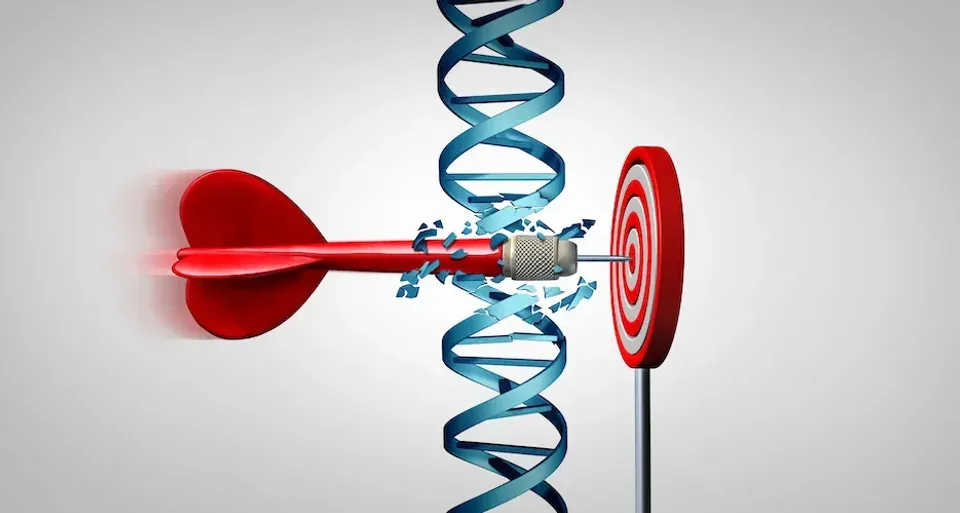
With every new advancement in medical science and healthcare, there comes the possibility of refining and reimagining the business of caring for complex hematological concerns. One example is the development of targeted therapies for chronic lymphocytic leukemia (CLL). This approach has contributed to changes in how certain hematologic conditions are managed. By concentrating on particular cellular mechanisms, this method takes a severe departure from the traditional, broader, systemic approaches. This article seeks to explain the scientific underpinnings of these new methods and their potential consequences for the management of patients. What we will focus on is the contemporary state of the art and the very specific biological pathways that are the targets of these new methods to contain the unwanted proliferation of cells.
Innovations in the Management of Chronic Lymphocytic Leukemia
In the past, generalized systemic methods were the only approaches available for medical professionals to manage hematological conditions. The methods used in these approaches induced the management of both the target cells and healthy cells. This shortcoming indicated the necessity to develop methods that are more differentiated.
In the fundamental methodology of modern medicine, the move to targeted cancer therapy is the most significant change. This move began with the examination of abnormal cells and the very specific genetic and molecular aberrations associated with these cells. This, in turn, provided the basis for the development of methods that deal with cellular malfunction at its very own mechanisms. Current CLL treatments interrupt the pathways through which abnormal cells grow and proliferate. Advanced cancer treatment protocols have designed ways to obstruct these pathways. This change emphasizes the clinical value of cellular biology.
CLL Targeted Therapy Mechanisms
To interrupt these pathways, a thorough understanding of the proteins regulating cellular growth and the activities of abnormal cells is needed. Certain signaling pathways sustain abnormal blood cell survival and proliferation, and researchers design therapeutic compounds to inhibit the pathways and block the signals.
CLL targeted therapy, after entering the body, locates and binds to receptors on the outside of or within these abnormal blood cells. This interaction may interfere with signaling pathways involved in cell survival and proliferation. Absent these signals, abnormal cells undergo apoptosis. This effect on abnormal cells is the result of a highly focused mechanism. The outcome of high specificity is negligible effects to adjacent, healthy blood cells. This high specificity is the direction of contemporary hematology.
The Place of BTK Inhibitors
A significant breakthrough in this arena was the discovery of Bruton’s tyrosine kinase (BTK). This key enzyme in the signaling pathways of some leukocytes is crucial in some hematological disorders. An overactive BTK signaling leads to excessive cellular proliferation. Purposefully, medical researchers created BTK positives to control the activity of this specific enzyme. These compounds bind specifically to the BTK enzyme and block the sequence of signaling. This signaling activity is inhibited. BTK inhibitors are an example of precision medicine approaches in hematology. The opposite of the BTK inhibitors is a solution of mass medication. In this case, doctors apply the right medicine to solve the problem right to the solution. Because of this, a lot of industries are following this trend of drug development.
Investment in Clinical Oncology Research
The CLL targeted therapy approach is highly regarded in modern medicine. Clinical research has evaluated these approaches through observational studies and clinical trials. Clinicians often look for long-term main indicators of the physiological status of patients.
Through the research measures, it is of great importance to determine the necessary reactions as a result of treatment. Targeted agents are designed to be treated individually. These agents are designed to target agents. As medicine evolves, so does the advanced capability to portray the treatment processes.
Improvements in Blood Cancer Medicine
The general tendency for a specific treatment concerns hematological medicine. Research is ongoing to evaluate whether similar targeted approaches may be applicable to other conditions. The investigation of related signaling pathways in various disorders is now ongoing.
The cleaved modern treatment paths for blood cancers involve clever use of sequencing multiple targeted agents. One example would be using a specific inhibitor until the tumor cells undergo a change. The clinician would then employ a different agent. This avoidance maneuver delays the abnormal cells from acquiring a compelling resistance pattern. The advancement of next-generation inhibitors is just one example of the advances occurring in this field. Advances tend to be more focused on refining the chemical compound to enhance specificity and the ability to bind. Time and financial costs increase, but they ensure continued effectiveness.
Protocols and Healthcare Institutions
In order to integrate targeted agents into common practice, the process must be fully documented. Clinical journals are the primary outlets for publishing clinical and molecular findings. Peer-reviewed journals filter submissions ensuring the new practices are rigorously checked and examined before they are widely accepted.
The largest healthcare institutions use this data to form their clinical standards, gathering their own expert panels to examine the evidence and decide the best means of intervention. Their advice places the most appropriate targets for clinicians to select. The focused aim of these standards is to avoid healthcare practices losing their scientific foundation. Before deciding on a course of action clinicians must ensure that the right targets are present.
Conclusion
Precision medicine is changing how complex hematological disorders are handled within the medical field. Newer therapies are targeting the interruption of cellular signaling pathways and provide strategies to rationally target the disrupted signaling at the molecular level. The development and approval of a new class of therapeutics and more modern BTK inhibitors emphasize the importance of research to understand the exact biological pathways.
As the field of oncology continues to advance, stringent methodologies based on modern therapeutics that provide targeted intervention for CLL will drive the evolution of hematological practices.
