

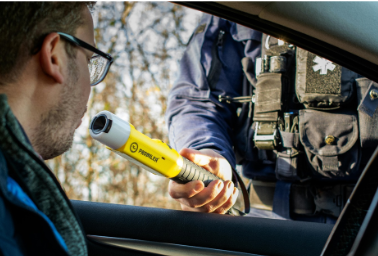
A road crash is one of the devastating situations you can face. Things can also get overwhelming fast when a police officer asks you to perform roadside tests. Most drivers do not know what they are required to do after a crash. Here are your legal rights regarding field sobriety tests to avoid getting into more problems.
1. You Can Legally Decline Field Sobriety Tests
Police officers use field sobriety tests to arrest a driver they suspect is operating while drunk or intoxicated. These tests assess the cognitive performance of the driver to determine their stability. However, they are voluntary since they are not tied to implied consent laws. That means you have the legal right to refuse them without any penalty.
The tests themselves are not as reliable as most people assume. False positives on the roadside tests can happen to one in four drivers. Fatigue or pre-existing health conditions can also lower your performance. That is true even if you are not drunk. You can calmly decline or ask to speak with a lawyer if asked to complete any test. Just remain respectful and assert your rights clearly.
2. You are Protected Against Self-incrimination
Field sobriety tests exist specifically to build a case. Every hesitation or imperfect step is recorded and will be used against you. Prosecutors can also mention your refusal and argue that it suggests you knew you were impaired. However, your legal representative can counter that you simply used your legal right. They can also clarify that refusing tests designed to gather information and evidence against you is a reasonable decision for any driver.
This matters, since OUI penalties are high. If someone is injured or killed as a result of operating under the influence, the charge is upgraded to a felony. That is true even for a first offense. When penalties are that serious, the evidence collected at the scene takes on enormous weight. Limiting what officers can gather is not obstructing justice. It is protecting your right against an unfair process.
3. You Have the Right to Be Informed of the Consequences
Officers are generally required to inform you of the consequences of refusing certain tests before asking you to take them. These include breathalyzers and blood draws. That obligation exists because those tests carry real legal penalties if refused.
For instance, you can refuse a preliminary breath test without any consequence, but you will face penalties or a license suspension under your state’s implied consent laws if you refuse a chemical test after being arrested for DUI.
Many officers do not make that distinction clear at the scene. Your blood can also be drawn even over your objections under certain circumstances. These include accidents with serious injuries or fatalities. You have the right to know when that applies and when it does not.
If you are unsure what you are being asked to do and what the consequences are, you have the right to ask. You should also request to have an attorney in the room before answering any questions.
Endnote
Being in a crash does not mean you surrender your legal rights. You can refuse a field sobriety test or remain silent. You can also ask for a lawyer before taking any tests. None of that makes you guilty of anything. It only ensures the decision you take in those first minutes after a crash does not incriminate you or attract harsh penalties.
