

Brief Overview of Disaster Recovery
Disaster recovery refers to the process of restoring normal operations to homes, businesses, and other properties after they have been affected by a significant event such as a fire, flood, storm, or other catastrophes. It encompasses a wide range of actions, including emergency response, cleanup, repairs, structural restoration, and even mitigation to prevent future damage. Disasters, whether natural or man-made, can disrupt daily life, destroy property, and create hazardous conditions. Without a structured and efficient recovery process, the aftermath of a disaster can result in prolonged disruption, ongoing safety risks, and considerable financial loss.
The importance of disaster recovery lies in its ability to help individuals and businesses regain a sense of normalcy and safety after such traumatic events. Effective disaster recovery not only addresses the immediate damages but also mitigates long-term risks, ensuring the property is safe, habitable, and functional. This process requires skilled professionals who can assess the scope of the damage, implement restoration solutions, and provide guidance throughout the recovery journey. Whether it’s restoring a home after a flood or getting a business back on its feet following a fire, disaster recovery is vital to rebuilding both property and peace of mind.
Why Choosing the Right Company Matters
Selecting the right disaster recovery partner can significantly influence the speed, efficiency, and success of recovery efforts. Disaster recovery is a complex process that requires specialized knowledge, technical expertise, and state-of-the-art equipment. Not all companies are equipped to handle every type of disaster, and the quality of service can vary widely between providers. Choosing a company with the right skills and resources ensures that the recovery process is smooth, efficient, and tailored to your specific needs.
The right disaster recovery company will have a comprehensive understanding of the different types of disasters and their unique challenges. For instance, handling a fire-related disaster requires knowledge of smoke and soot removal, while water damage requires specialized drying equipment and mold prevention strategies. A company with the right expertise will ensure that every aspect of the recovery process is addressed, reducing the risk of future issues like structural instability or mold growth. Moreover, a reliable partner will work with insurance companies, providing the necessary documentation and expertise to ensure that the claims process is handled efficiently, reducing the financial burden on the property owner.
1. Assess Your Needs: What Type of Disaster Recovery Do You Require?
Type of Disaster
The first step in selecting the right disaster recovery company is to assess the type of disaster that has occurred. Different types of disasters require different approaches, equipment, and expertise. For example, fire damage may result in soot and smoke contamination, which requires specialized cleaning techniques to prevent permanent damage and eliminate harmful toxins from the air. Water damage, on the other hand, may involve extensive drying, water extraction, and mold prevention to avoid further structural damage and health hazards. Mold remediation requires detailed inspection, containment, and treatment to remove mold colonies and prevent their spread. Additionally, storm damage, which may combine both water and structural damage, often involves debris removal, roof repairs, and structural reinforcements to ensure safety.
Understanding the type of disaster will help determine what kind of recovery services you need. Some companies specialize in specific types of recovery, while others offer more comprehensive services. Selecting a provider with expertise tailored to your specific disaster ensures that they can address the nuances and complexities of your situation.
Services Offered
Once the type of disaster is identified, it’s important to understand the specific services the disaster recovery company offers. Comprehensive disaster recovery often includes a variety of services such as emergency response, water extraction, smoke and soot cleanup, structural repairs, and mold remediation. In the case of severe disasters, you may also require more advanced services such as hazardous material removal, document recovery, or content restoration for valuable items.
Beyond physical restoration, some companies offer insurance claim assistance, which can be invaluable during a stressful recovery period. They may help document the damage, work directly with insurance adjusters, and ensure that the scope of the recovery work is fully covered under the insurance policy. It’s also worth considering companies that provide mitigation services, which can include reinforcing structures, waterproofing, and other preventative measures designed to protect the property from future disasters.
Turnaround Time
In disaster recovery, time is of the essence. Delays in responding to water damage, for example, can lead to extensive mold growth or irreversible structural damage, while smoke damage left untreated can permanently stain surfaces and leave harmful particles in the air. When assessing disaster recovery companies, it’s crucial to consider their response time and availability. Many reputable disaster recovery companies offer 24/7 emergency support, ensuring that they can be on-site quickly to begin the recovery process.
Speed of service can be a decisive factor, especially in the immediate aftermath of a disaster. Quick action reduces the overall damage, lowers restoration costs, and helps return the property to its pre-disaster condition faster. A company with a proven track record of rapid response and efficient recovery processes will minimize the long-term impacts of the disaster on your home or business.
2. Look for Experience and Expertise
Years in Business
Experience plays a critical role in disaster recovery. The longer a company has been in business, the more likely it is to have encountered a wide range of disasters and developed the expertise needed to handle complex recovery situations. A company with many years in the industry is more likely to have well-established protocols, trained staff, and a solid reputation for delivering quality work. Additionally, experienced companies have often refined their methods and invested in the latest technologies, enabling them to address issues more effectively and efficiently.
When evaluating a disaster recovery company, it’s important to inquire about their history and years of experience in handling disasters similar to yours. Companies with extensive experience in recovery from hurricanes, fires, floods, or other events are better equipped to anticipate potential challenges and implement tailored solutions that ensure a comprehensive recovery.
Industry Certifications
Certifications are an important indicator of a company’s expertise and commitment to industry standards. Reputable disaster recovery companies often hold certifications from respected organizations like the Institute of Inspection, Cleaning and Restoration Certification (IICRC), which sets the standards for cleaning, restoration, and inspection. Other certifications may include Restoration Industry Association (RIA) accreditation or certifications in specific areas such as mold remediation or asbestos removal.
These certifications demonstrate that the company adheres to industry best practices, uses proper techniques, and complies with relevant safety and environmental regulations. Hiring a certified company gives you confidence that the work will be performed to the highest standards, ensuring that the property is restored safely and thoroughly.
Past Projects and Testimonials
A disaster recovery company’s track record is one of the best indicators of the quality of service you can expect. It’s essential to research past projects or ask for case studies to see how the company has handled recovery efforts in situations similar to yours. Look for companies that have a diverse portfolio, showing success across different types of disasters, such as fire restoration, flood recovery, or mold remediation.
Testimonials and client reviews are also invaluable sources of information. Positive reviews from past clients provide insight into how the company handles communication, the quality of its work, and how effectively it restores properties. Companies that receive consistent praise for their professionalism, response time, and attention to detail are more likely to deliver reliable and thorough recovery services.
In addition, some companies provide before-and-after images of their work, showcasing the transformations they have achieved. This not only highlights their expertise but also provides a tangible demonstration of their capabilities. Reading reviews, analyzing case studies, and speaking with past clients will give you a clearer picture of how the company will handle your specific disaster recovery needs.
By thoroughly assessing the experience, certifications, and past performance of disaster recovery companies, you can make an informed decision and choose a trusted partner that will deliver timely, effective, and comprehensive recovery solutions.
3. Ensure They Have the Right Equipment and Technology
Advanced Technology
In disaster recovery, the quality of equipment and technology used by the restoration company is crucial in determining the speed and effectiveness of the recovery process. Advanced technology allows for faster and more thorough restoration, minimizing the long-term damage that disasters can cause to both residential and commercial properties. Modern tools for water extraction, structural drying, and mold remediation are particularly important, as these issues are common after disasters like floods, hurricanes, and fires.
Water extraction technology has advanced significantly in recent years. High-capacity pumps and vacuums can quickly remove standing water from flooded areas, preventing water from seeping deeper into walls, flooring, and other building materials. Advanced water extraction tools are essential because stagnant water, even when present for just a few hours, can lead to long-term damage like warping, weakening of structural elements, and the proliferation of mold and mildew.
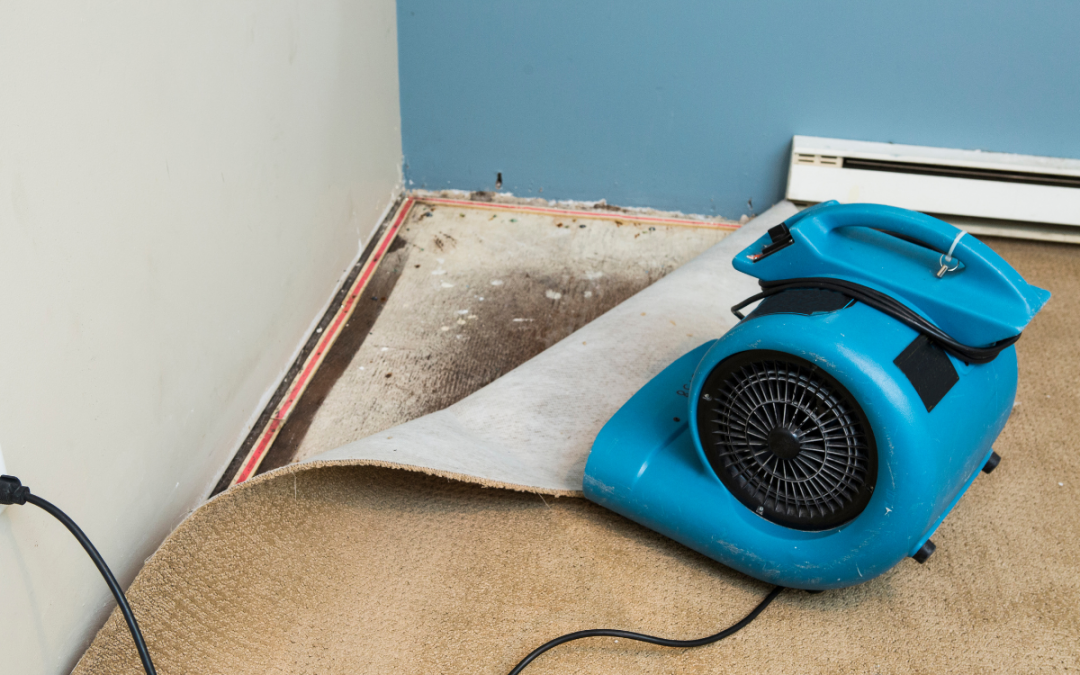
Structural drying is another critical aspect of disaster recovery, especially after water damage. Sophisticated drying equipment, such as industrial-strength dehumidifiers and air movers, is designed to rapidly dry out affected areas. Infrared moisture detection tools can identify hidden pockets of moisture within walls and floors that might otherwise go unnoticed. Thorough structural drying helps prevent issues like wood rot, compromised insulation, and the growth of mold. Disaster recovery companies that invest in cutting-edge structural drying technology are better equipped to restore a property to its pre-disaster condition, saving both time and money for the property owner.
Mold remediation is an area where modern technology is essential for long-term recovery. Mold spores can begin to spread within 24-48 hours after water exposure, leading to severe health risks and structural damage. State-of-the-art mold remediation equipment, such as HEPA (High-Efficiency Particulate Air) vacuums and air scrubbers, helps to contain and eliminate mold spores from the air, preventing further spread throughout the property. Negative air pressure systems can also be used to isolate affected areas, ensuring that the mold does not spread to unaffected parts of the building. With advanced remediation tools, professionals can tackle even large-scale mold outbreaks more efficiently and thoroughly.
Capabilities
When choosing a disaster recovery company, it’s important to consider their capabilities in handling a variety of property types and the scale of the disaster. Not all companies are equipped to manage both residential and commercial properties, and the restoration needs of these two property types can differ significantly. Residential recovery may involve tasks like salvaging personal belongings, restoring interiors, and addressing water or fire damage on a smaller scale. In contrast, commercial properties often require large-scale recovery efforts that involve rebuilding damaged infrastructure, restoring sensitive equipment, and addressing extensive structural damage.
For businesses, time is money, and a disaster recovery company must have the resources to restore a business quickly to avoid prolonged closures. Commercial disaster recovery requires not only advanced equipment but also specialized knowledge in dealing with the complexity of business operations. For example, businesses in industries like manufacturing, healthcare, and retail may have specific requirements for restoring equipment or ensuring that facilities meet regulatory standards before reopening.
Another critical factor is whether the company can handle large-scale disasters. Following widespread events like hurricanes, wildfires, or regional floods, recovery companies may be inundated with calls for service. A reliable disaster recovery company should have the manpower, resources, and equipment necessary to respond to multiple large-scale disasters simultaneously. This includes having access to a large fleet of recovery vehicles, portable power generation, and scalable teams that can handle both immediate cleanup and long-term restoration projects. Before choosing a recovery company, it’s important to ensure that they have the capacity to handle disasters of any size, from localized incidents to region-wide events.
4. Review Their Response Time and Availability
24/7 Availability
Disasters are unpredictable and can strike at any time, often without warning. For this reason, a disaster recovery company must offer 24/7 availability to ensure they can respond to emergencies immediately, no matter the time of day. When a disaster strikes, every minute counts in minimizing damage and protecting the property from further degradation. Delays in responding to emergencies can lead to more extensive damage, higher restoration costs, and increased safety risks for the property and its occupants.
For example, after a major flood, immediate water extraction is critical to prevent water from seeping deeper into the structure, where it can cause extensive damage to the foundation, walls, and flooring. Similarly, in the event of a fire, prompt removal of smoke and soot is necessary to prevent permanent staining and deterioration of surfaces. A company that offers round-the-clock services can quickly mobilize its team and begin the recovery process within hours of the disaster, reducing the long-term impact on the property.
Additionally, 24/7 availability is particularly important for businesses. For commercial properties, an immediate response to a disaster can make the difference between a brief closure and a prolonged shutdown that results in significant financial loss. Businesses need a disaster recovery partner that can be on-site as soon as possible to assess the damage, secure the property, and begin restoration work immediately.
Proximity to Your Location
Another crucial factor to consider when evaluating a disaster recovery company is its proximity to your location. Local companies often have faster response times, as they are familiar with the area and can quickly reach the affected site. In the aftermath of a disaster, speed is essential to preventing further damage and starting the restoration process. A local company can often arrive on-site more quickly than a national company with limited local resources, allowing them to begin emergency response efforts sooner.
In addition to proximity, local companies often have a deeper understanding of the specific regional challenges posed by disasters. For example, companies based in areas prone to hurricanes or flooding will have experience dealing with the types of damage caused by those events, as well as the logistical challenges of navigating damaged infrastructure or restricted access areas. Local companies are also more likely to have relationships with local vendors, contractors, and government agencies, which can streamline the restoration process.
A local company is often more reliable in the long run, as they have a vested interest in maintaining their reputation within the community. They are more likely to provide personalized service and be accountable for the quality of their work, knowing that their local reputation depends on it. Before selecting a disaster recovery company, it’s important to consider whether they are locally based and can provide the immediate response and local expertise needed in the event of a disaster.
5. Check Their Insurance and Licensing
Proper Licensing
When hiring a disaster recovery company, it’s essential to ensure that they have the proper licensing to operate in your area. Licensing requirements vary by state and municipality, but they typically include certifications and permits that demonstrate the company meets local building codes, safety standards, and environmental regulations. A licensed disaster recovery company has undergone the necessary inspections and approvals to ensure that they can perform restoration work safely and legally.
Proper licensing is particularly important when dealing with specialized tasks like mold remediation, asbestos removal, or hazardous material cleanup, which may require additional certifications. These tasks often involve health risks and environmental hazards, so it’s crucial that the company is properly trained and certified to handle them. Unlicensed or uncertified companies may not follow proper safety protocols, leading to incomplete work or further damage to the property.
In addition to verifying the company’s licensing, it’s important to check if they have any violations or complaints filed against them. This can provide insight into their work practices and whether they have a history of failing to meet local standards. Choosing a licensed and certified company ensures that the work will be done to code and that you are protected from potential liabilities.
Insurance Coverage
Another critical consideration is whether the disaster recovery company carries sufficient insurance coverage. Restoration work involves various risks, from property damage to personal injury, and having the right insurance ensures that both the company and the property owner are protected in the event of an accident or unforeseen issue. The two primary types of insurance a disaster recovery company should have are liability insurance and workers’ compensation.
Liability insurance protects both the company and the property owner in case something goes wrong during the restoration process. For example, if a worker accidentally causes further damage to the property or if an unexpected event, like a fire or water leak, occurs during the restoration, liability insurance covers the costs of repairing the damage. Without proper liability insurance, the property owner may be left responsible for covering these additional costs.
Workers’ compensation insurance is also critical, as it protects the workers and the property owner in the event of a work-related injury. Restoration work can be physically demanding and sometimes dangerous, especially when dealing with hazards like mold, asbestos, or structural damage. Workers’ compensation ensures that the company’s employees are covered if they are injured on the job, preventing any liability from falling on the property owner.
Lastly, many disaster recovery companies have experience working with insurance companies to streamline claims. This can be particularly beneficial during a stressful time, as the disaster recovery company can help document the damage, provide detailed reports, and ensure that all work is covered under the insurance policy. Some companies even offer to work directly with the insurance company to handle billing, reducing the financial burden on the property owner. By choosing a company with sufficient insurance coverage and experience with insurance claims, property owners can feel confident that they are protected throughout the recovery process.
6. Evaluate Their Communication and Customer Service
Transparency in Pricing
One of the most critical aspects of choosing a disaster recovery company is transparency in pricing. The aftermath of a disaster is already stressful enough without the added anxiety of hidden fees or unexpected costs. A reputable disaster recovery company should provide clear and detailed estimates upfront, outlining the scope of the work, materials, and labor involved. This transparency helps homeowners and businesses make informed decisions about which services they need and how much they should expect to pay.
Disaster recovery is often a complex process, involving multiple phases, from initial emergency response to long-term repairs. A clear breakdown of costs for each stage of recovery helps avoid surprises later in the process. Furthermore, it’s important to ask whether the company offers flexibility in pricing based on the type of disaster, extent of damage, and whether insurance will cover some or all of the costs. Clear communication regarding pricing can build trust and ensure that the recovery process is as smooth and stress-free as possible.
Open Communication
Beyond pricing, open communication is essential for navigating the often-complicated process of disaster recovery. From the initial assessment through the final stages of restoration, the company should provide consistent updates and maintain clear communication channels with the property owner. Disaster recovery can be a lengthy process, and there may be several challenges or unexpected developments along the way. Whether it’s delays, additional repairs, or unforeseen complications, the company should be transparent about any changes to the timeline or scope of work.
Effective communication also involves explaining each step of the recovery process in detail. Property owners should understand the reasons behind certain actions, such as why specific equipment is needed, how long structural drying may take, or what safety precautions are being followed. Knowing the timeline and next steps helps alleviate uncertainty and ensures that the property owner is fully informed at every stage of recovery.
Additionally, the recovery company should have designated points of contact—either a project manager or customer service representative—who can answer questions, address concerns, and provide updates. This accessibility is key to creating a positive working relationship and ensuring that the recovery process proceeds as efficiently as possible.
7. Consider Their Long-Term Support and Follow-Up
Post-Recovery Support
Disaster recovery doesn’t always end once the immediate restoration is complete. Many properties face long-term challenges even after repairs are made, such as the risk of mold recurrence, structural weaknesses, or lingering damage that wasn’t visible during the initial inspection. A good disaster recovery company should offer post-recovery support, including follow-up services such as mold prevention, home inspections, and ongoing maintenance. These additional services can help property owners ensure that their homes or businesses remain safe and secure over time.
For example, mold growth is a common issue following water damage, and some recovery companies offer ongoing inspections to ensure that the property remains mold-free. Similarly, structural repairs may need to be monitored for potential weaknesses or signs of recurring damage. Post-recovery support provides peace of mind to homeowners and businesses, knowing that the restoration efforts are long-lasting and that any issues will be addressed before they become major problems.
Additionally, some companies offer preventive services to help minimize the risk of future disasters. These may include storm proofing homes, flood prevention measures, or fire safety improvements. Investing in these preventive services can save property owners from more extensive damage and costly repairs in the future.
Warranty/Guarantee
Another important factor to consider is whether the disaster recovery company provides a warranty or guarantee on their work. A reputable company should stand behind the quality of their repairs and offer warranties that cover specific aspects of the restoration process. For example, they may provide guarantees on roof repairs, mold remediation, or water extraction to ensure that the property remains in good condition after the recovery work is done.
A warranty also offers reassurance that if any issues arise post-restoration—such as recurring water damage or mold growth—the company will return to address them at no additional cost. It’s crucial to ask the company about the duration and coverage of their warranties and whether they include follow-up visits or inspections. Having a solid warranty in place ensures that the recovery work is both reliable and backed by the company’s commitment to quality.
Conclusion
Summarizing Key Considerations
When selecting a disaster recovery company, several key factors come into play. First, it’s essential to ensure the company has the right equipment and technology to handle water extraction, structural drying, and mold remediation. Their capabilities to manage both residential and commercial properties and respond to large-scale disasters are crucial for effective recovery. Second, reviewing their response time and availability—including 24/7 emergency support and proximity to your location—helps ensure timely intervention when it matters most.
Additionally, verifying the company’s insurance and licensing protects homeowners and businesses from liabilities, while transparent communication and customer service ensure a smooth recovery process. Finally, long-term support—including post-recovery services and warranties—adds an extra layer of security, ensuring the recovery work is thorough and long-lasting.
Final Tip
One final tip: it’s always a good idea to plan ahead and have a disaster recovery company in mind before a disaster strikes. Disasters can happen without warning, and having a reliable company on hand will save valuable time and stress when immediate action is required. Researching and selecting a trusted company ahead of time ensures that you have the best possible partner to help restore your property quickly and efficiently after a disaster.
For instance, when Hurricane Helene impacted Asheville, North Carolina, residents and businesses were left grappling with severe flooding, wind damage, and power outages. The importance of disaster recovery services in Asheville cannot be overstated. Quick and professional intervention allowed Asheville residents to begin rebuilding their lives and businesses in the aftermath of the hurricane. Having a trusted disaster recovery company ready to step in was key to minimizing long-term damage and getting back to normal life as soon as possible. In areas prone to hurricanes and other natural disasters, planning ahead for recovery services is a smart move that can save both time and money.
