

Substance use disorders (SUDs) are complex conditions characterized by the compulsive use of substances such as alcohol, drugs, or prescription medications despite harmful consequences. These disorders not only affect the individual’s physical health but also have profound impacts on mental health. The relationship between substance use and mental health is intricate, with one often exacerbating the other. Understanding and effectively managing substance use disorders is crucial in addressing the broader spectrum of mental health issues that frequently accompany these conditions.
Common substances associated with SUDs include alcohol, opioids, stimulants (like cocaine and methamphetamine), cannabis, and sedatives. Prescription medications, particularly painkillers, are also increasingly contributing to the rise in substance use disorders. The chronic nature of SUDs means that individuals may struggle with relapse even after periods of abstinence, making it a persistent challenge to overcome.
The Connection Between Substance Use and Mental Health
The link between substance use disorders and mental health is well-documented, with many individuals experiencing both conditions simultaneously. This dual diagnosis, or co-occurring disorder, complicates treatment and requires a comprehensive approach to care.
Substance use can exacerbate existing mental health issues or trigger new ones. For example, excessive alcohol consumption is often associated with depression, while stimulant use can lead to heightened anxiety and paranoia. Conversely, individuals struggling with mental health issues such as depression, anxiety, or post-traumatic stress disorder (PTSD) may turn to substances as a form of self-medication, seeking temporary relief from their symptoms. Unfortunately, this creates a vicious cycle where substance use worsens mental health, leading to increased use and further deterioration of both physical and mental well-being.
The Impact of Substance Use Disorders on Mental Health
The impact of substance use disorders on mental health is profound and multifaceted. Chronic substance use can alter brain chemistry, leading to changes in mood, behavior, and cognition. These changes can result in a range of mental health issues, including:
- Depression: Substance use can disrupt the brain’s ability to regulate mood, leading to persistent feelings of sadness, hopelessness, and a lack of interest in life. Depression is particularly common among those with alcohol use disorder.
- Anxiety: Many substances, especially stimulants like cocaine and methamphetamine, can increase anxiety levels, leading to panic attacks, agitation, and irrational fears.
- Cognitive Impairment: Prolonged substance use can impair cognitive functions such as memory, attention, and decision-making. This can lead to difficulties in personal and professional life, further contributing to stress and mental health problems.
- Psychosis: In severe cases, substance use can lead to psychosis, characterized by hallucinations, delusions, and a loss of contact with reality. This is often seen with heavy use of substances like methamphetamine or hallucinogens.
- Suicidal Ideation: The despair and hopelessness associated with both substance use and mental health issues can lead to suicidal thoughts or behaviors. Individuals with co-occurring disorders are at a particularly high risk of suicide.
Strategies for Managing Substance Use Disorders
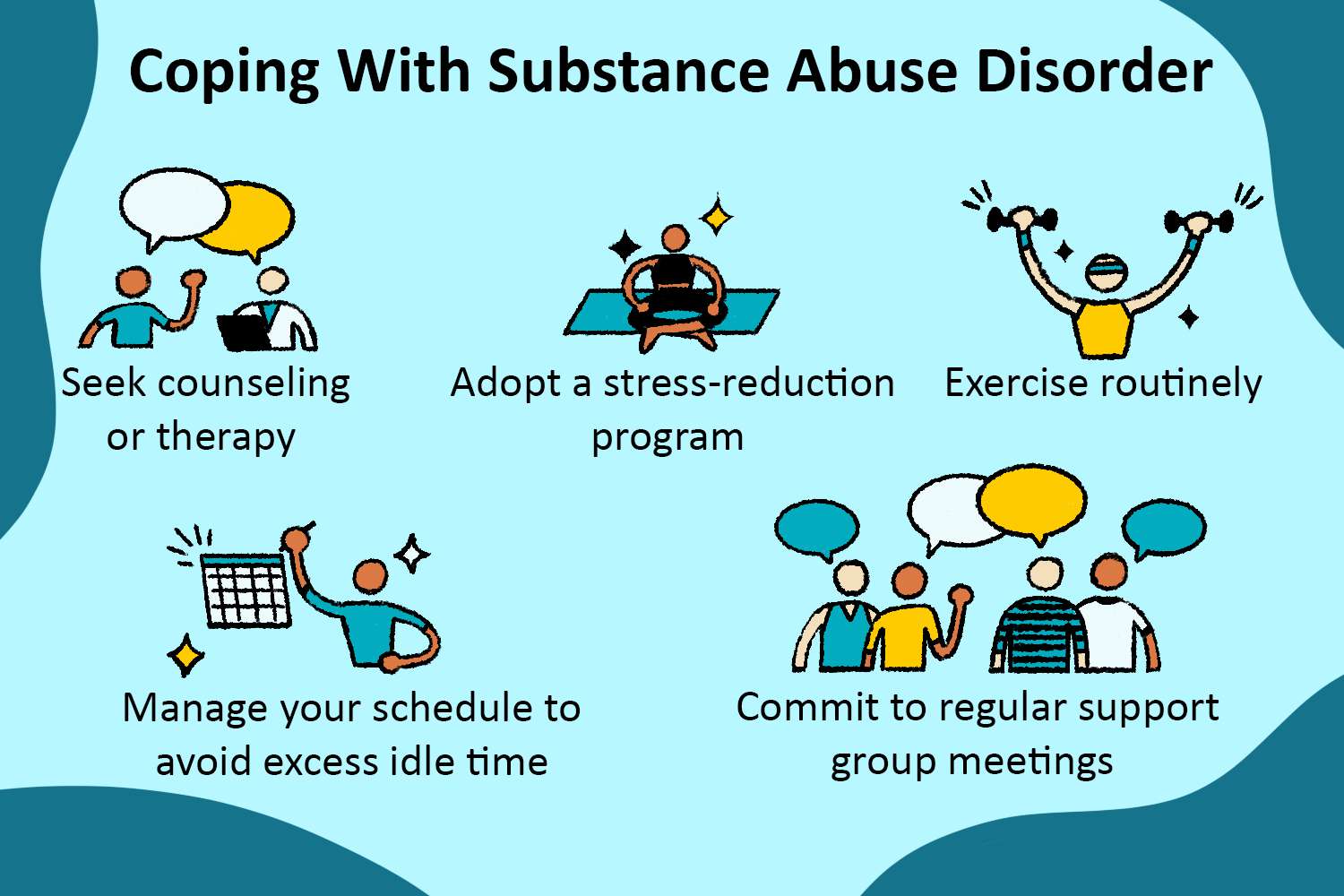
Effective management of substance use disorders requires a holistic approach that addresses both the physical and mental health aspects of the condition. Here are some key strategies for managing SUDs:
For individuals with co-occurring mental health issues, integrated treatment is essential. This approach involves addressing both the substance use disorder and the mental health condition simultaneously. Integrated treatment plans may include a combination of psychotherapy, medication, and support groups, all tailored to the individual’s specific needs. This holistic approach ensures that both conditions are treated in tandem, reducing the risk of relapse and improving overall outcomes.
Support groups, such as Alcoholics Anonymous (AA) and Narcotics Anonymous (NA), offer a community-based approach to recovery. These groups provide a safe and supportive environment where individuals can share their experiences, receive encouragement, and build a network of peers who understand the challenges of substance use recovery. Peer support can be instrumental in maintaining sobriety and preventing relapse.
Mindfulness practices, such as meditation, yoga, and deep breathing exercises, can help individuals manage stress and reduce the likelihood of turning to substances as a coping mechanism. These techniques promote self-awareness and help individuals stay present in the moment, making it easier to resist cravings and make healthier choices.
Relapse is a common challenge in the recovery process, and having a plan in place can help individuals stay on track. Relapse prevention planning involves identifying triggers, developing coping strategies, and creating a support network that can be relied upon during difficult times. By anticipating potential challenges and having a plan to address them, individuals can reduce the risk of relapse and maintain their recovery.
