

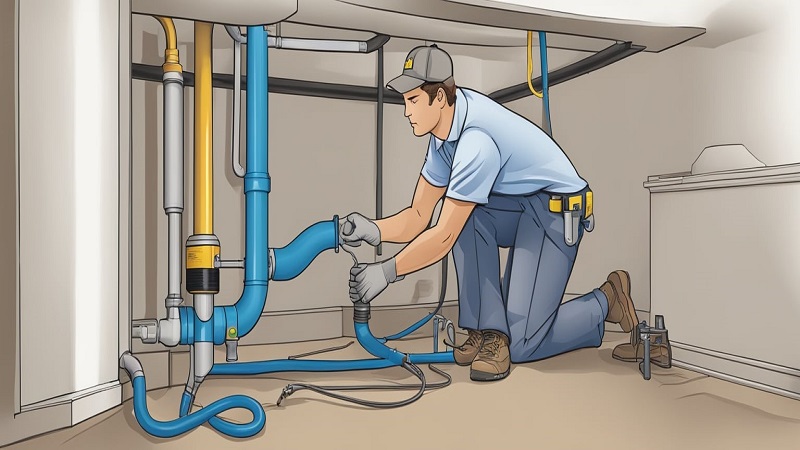
Radon poses a significant health risk to Denver residents. This invisible, odorless gas seeps into homes through foundation cracks and can accumulate to dangerous levels. Radon mitigation systems effectively reduce indoor radon concentrations, protecting families from lung cancer and other health issues.
Denver’s geological makeup contributes to higher radon levels compared to many other U.S. cities. The Rocky Mountain region’s uranium-rich soil produces radon as a byproduct of radioactive decay. This natural process allows the gas to enter buildings through small openings in foundations and basements.
Professional radon mitigation involves installing specialized ventilation systems to redirect the gas outdoors. These systems create negative pressure beneath the home’s foundation, preventing radon from entering living spaces. Regular testing and proper mitigation ensure Denver homes remain safe from this hidden threat.
Understanding Radon and Its Risks
Radon poses significant health risks to residents in Denver and across Colorado. This radioactive gas forms naturally in soil and can accumulate in homes, potentially leading to severe health consequences.
The Science of Radon
Radon is a colorless, odorless, radioactive gas that forms from the decay of uranium in soil and rocks. It seeps into buildings through cracks in foundations, floors, and walls. As radon decays, it releases radioactive particles that can damage lung tissue when inhaled.
Radon levels are measured in picocuries per liter (pCi/L) of air. The Environmental Protection Agency (EPA) recommends taking action if levels exceed 4 pCi/L. However, there is no truly safe level of radon exposure.
Health Implications of Radon Exposure
Radon is the second leading cause of lung cancer in the United States, after smoking. The EPA estimates that radon causes about 21,000 lung cancer deaths annually. Non-smokers exposed to high radon levels have a higher risk of lung cancer than smokers not exposed to radon.
The Surgeon General and World Health Organization recognize radon as a serious health threat. Long-term exposure increases cancer risk, with children particularly vulnerable due to their developing lungs and higher respiratory rates.
Radon Levels in Denver, Colorado
Denver and many parts of Colorado have higher-than-average radon levels due to the region’s geology. The EPA classifies Colorado as Zone 1, indicating the highest potential for elevated radon levels.
A study by the Colorado Department of Public Health and Environment found that 50% of Colorado homes have radon levels above the EPA’s action level. In some Denver neighborhoods, levels can exceed 100 pCi/L.
Regular testing is crucial for Denver homeowners. The EPA recommends testing all homes below the third floor for radon, regardless of age or construction type.
Radon Mitigation Strategies for Denver Homes
Effective radon mitigation is crucial for Denver homeowners to protect their health and property values. Proper testing, professional services, and proven reduction systems are key components of a successful mitigation plan.
Testing for Radon in Residential and Commercial Properties
Accurate radon testing is the first step in mitigation. Home inspectors and certified professionals use reliable equipment to measure radon levels over several days. Short-term tests take 2-7 days, while long-term tests last 3-12 months for more comprehensive results.
Residential testing often occurs during real estate transactions. Homeowners can also conduct DIY tests using kits from hardware stores. For commercial properties, specialized testing methods may be required due to larger spaces and complex ventilation systems.
The Environmental Protection Agency recommends action if levels exceed 4 pCi/L. Denver’s geology makes it prone to elevated radon levels, so regular testing is vital for all properties.
Professional Mitigation Services
Licensed and insured radon mitigation specialists in Denver offer expertise in reducing indoor radon concentrations. These professionals hold certifications from organizations like the National Radon Proficiency Program (NRPP).
Mitigation services typically include:
- Thorough property inspection
- Custom system design
- Installation of reduction systems
- Post-installation testing
Reputable companies provide detailed quotes and guarantees for their work. They should be able to explain the mitigation process clearly and address any safety concerns.
Installing Radon Reduction Systems
Radon reduction systems aim to prevent radon gas from entering homes and expel any that does. Common techniques include:
- Sub-slab depressurization: Creates negative pressure beneath the foundation to redirect radon.
- Soil suction: Draws radon from the soil before it enters the home.
- Sealing cracks and holes: Limits radon entry points in the foundation.
Installation typically takes 1-2 days. Systems include a vent pipe and fan to expel radon outdoors. Regular maintenance ensures continued effectiveness.
Proper installation is crucial for system performance. Homeowners should verify that installers are certified and follow local building codes. Post-installation testing confirms the system’s success in reducing radon levels.
