

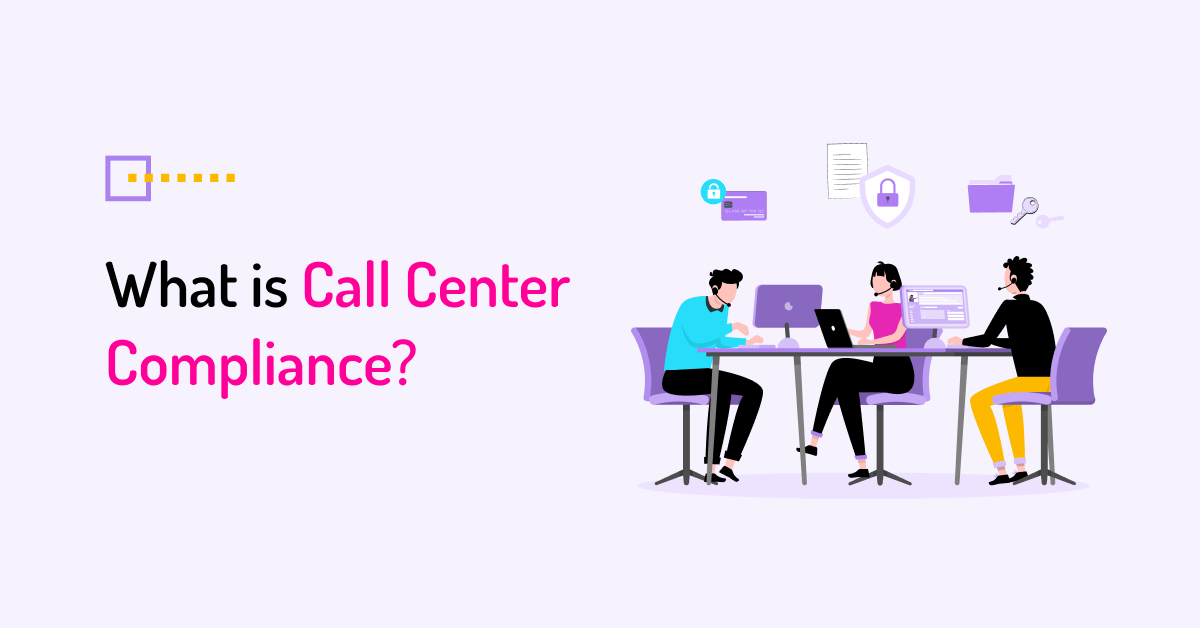
Call centers must be quite efficient in the management of relationships with customers. They are as involved in customer relations as the sales team is. In order to be efficient yet on the right side of the law, there are guidelines that a call center must adhere to, and this is called compliance. Compliance helps in making sure that both the customer and the business are protected during their interactions.
If a call center does not adhere to some important rules, then it will face some serious issues. Legal problems can occur or enormous penalties might be incurred. These problems can be damaging to a company’s image and are very expensive. This is the reason why compliance needs to be understood and implemented in any call center out there.
Understanding the Concept of Call Center Compliance
For a call center compliance requires observing laws and regulations that pertain to its operation. This consists of guarding clients’ personal data and ensuring that clients’ communications are honest. For instance, call centers have to learn rules regarding telemarketing and proper utilization of customers’ data or else face punitive measures.
Guidelines vary from country to country. In the United States, there are rules and regulations such as the TCPA that call centers must adhere to. These laws ensure that companies cannot abuse the phone for advertising or constantly bother people with telephone calls.
Consequences of Ignoring Call Center Compliance Rules
Noncompliance with the rules poses serious risks for call centers. If a call center has violated the law, then it is subjected to law suits or be fined by government agencies. These fines can be very costly. In addition to losing money, a call center could also lose its good image. This means that customers cannot trust the company anymore, and this will lead to low sales and profits for the company.
Promoting Call Center Compliance
To overcome problems, it is advisable for call centers to ensure that their employees are adequately trained. Each of the employees should know rules and how to act according to them. This entails understanding what they are allowed to discuss over the phone and how they should deal with customer information.
Schedules for either routine checks or audits are also relevant. These ensure that the call center complies with all the set regulations. The audits can discover any defaulting staff member and the call center can address issues before they become worse.
Compliance and the Use of Technology
Technology can assist a great deal in ensuring that a call center remains compliant. For example, there are special software programs that can listen to the calls and make sure they do not violate the rules. This software can notify managers if it detects something amiss. Technology also ensures that all calls are recorded in case a company has to provide evidence in any legal matter.
Conclusion
It is crucial for call centers to remain compliant. It safeguards the interests of the business and its customers. Staying up to date with all the rules might seem ironclad, but it’s preferable to risking legal consequences or steep penalties. Concerns that touch on the legal aspect should be well tackled by call center managers through good training and good technology. This way, they will be able to continue performing very well without encountering any penalties in the process.
