

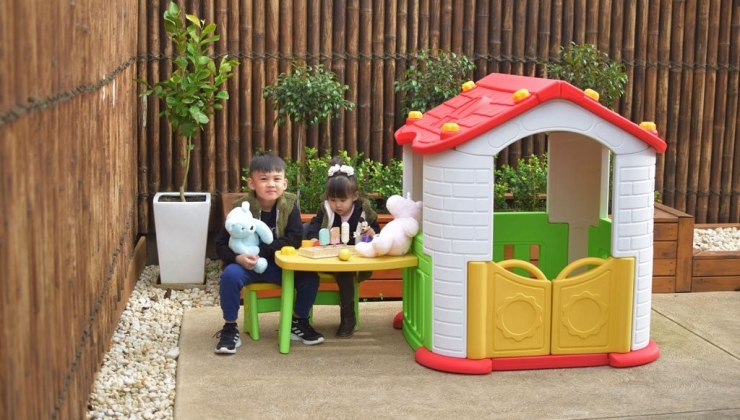
Cubby houses are more than just miniature homes for children; they are imaginative spaces where dreams come to life, adventures unfold, and memories are made. Whether you’re looking to add a playful retreat to your backyard or seeking a unique gift for your child, purchasing a cubby house is an exciting venture.
When planning to purchase a cubby house at Lifespan Kids, careful consideration is required to make an informed decision. Here are ten essential tips to help you navigate the process.
Contents
- 1 1. Determine the Purpose of the Cubby House
- 2 2. Assess Your Available Space
- 3 3. Set a Budget
- 4 4. Choose the Right Material
- 5 5. Prioritize Safety Features
- 6 6. Consider Customization Options
- 7 7. Think About Longevity
- 8 8. Involve Your Child in the Decision-Making
- 9 9. Plan for Installation
- 10 10. Think About Maintenance
- 11 Conclusion
1. Determine the Purpose of the Cubby House
Defining the purpose of the cubby house is an important step to take before beginning the selection process. What kind of space will it be—a cosy reading nook, a place for imaginative play, or a combination of the two and more? When it comes to selecting the appropriate design, size, and features for the cubby house, it is helpful to have an understanding of how your child will use the house.
2. Assess Your Available Space
Take measurements of the space in which you intend to position the cubby house. Identifying the appropriate size and shape will be of great assistance to you.
Accessibility, proximity to your primary residence, and safety are all important considerations to ponder. Make certain that there is sufficient space around the cubby house to allow for easy movement and any additional play equipment that may be required.
3. Set a Budget
You will be able to reduce the number of options that are available to you if you create a budget for yourself. There is a wide range of prices for cubby houses, which vary according to their dimensions, materials, and characteristics.
Lifespan Kids provides a selection of models that are priced to accommodate a range of budgets. It is important to keep in mind that potential additional costs may include maintenance, accessories, and installation.
4. Choose the Right Material
Cubby houses are typically made from wood, plastic, or metal. Each material has its own advantages.
Wooden cubby houses offer a natural aesthetic and durability, while plastic options are low-maintenance and weather-resistant. Metal cubby houses are sturdy but may require more upkeep. Consider the climate and your personal preferences when choosing the material.
5. Prioritize Safety Features
When looking for a cubby house, safety ought to be the most important consideration. It is important to look for characteristics such as non-toxic finishes, smooth edges, and sturdy construction.
It is imperative that the cubby house is in accordance with all applicable safety standards. When it comes to their designs, Lifespan Kids places a strong emphasis on safety, providing parents with a sense of calm.
6. Consider Customization Options
Many cubby houses come with customisation options, allowing you to tailor the design to your child’s interests. You can add features like slides, climbing walls, and sandpits to enhance the play experience. Lifespan Kids offers a range of accessories and add-ons to create a personalised cubby house.
7. Think About Longevity
Pick out a cubby house that can accommodate your child as they develop. Whenever possible, choose designs that can be modified or expanded in the future. The modular cubby houses offered by Lifespan Kids provide flexibility, enabling you to add new features to the house as your child’s individual requirements evolve.
8. Involve Your Child in the Decision-Making
Involving your child in planning can make the experience more enjoyable and ensure the cubby house meets their preferences. Let them choose colours, themes, and accessories. This not only fosters a sense of ownership but also encourages creativity and excitement.
9. Plan for Installation
Consider the installation process when planning your purchase. Some cubby houses require professional assembly, while handy parents can set others up. Lifespan Kids provides detailed instructions and customer support to assist with installation. Ensure the ground is level and stable to secure the structure properly.
10. Think About Maintenance
Regular maintenance will keep the cubby house in good condition and safe for your child. Wooden cubby houses may require periodic staining or painting, while plastic and metal options might need occasional cleaning and inspection for rust or damage. Lifespan Kids offers durable designs, but proper upkeep is essential for longevity.
Conclusion
Purchasing a cubby house is a significant investment in your child’s playtime and development. By following these ten essential tips, you can make a well-informed decision and create a magical space that will provide years of joy and adventure. Lifespan Kids offers a wide range of options to suit different needs and preferences, ensuring that you find the perfect cubby house for your family.
A cubby house is more than just a play structure; it’s a place where imaginations run wild and lifelong memories are made. Take the time to plan your purchase carefully, and you’ll create a cherished space that your child will love for years to come.
