

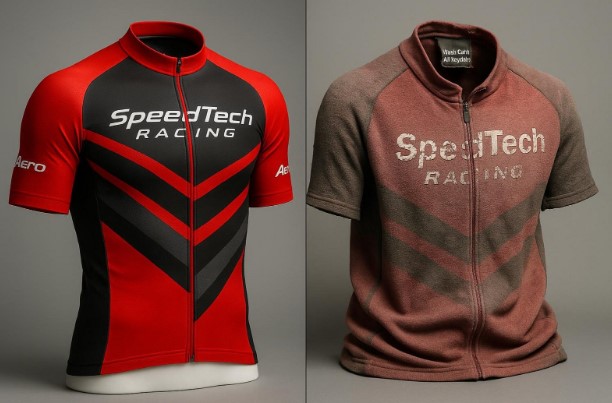
Racing apparel does more than look the part; it also works hard during events. These pieces use performance fabrics, strong stitching, and bold graphics. Like a race car, they need specific care to stay in top shape.
So, how do you keep your jerseys and gear looking sharp and working well, event after event? Learn what the materials need and build a steady care routine. This approach extends the life of your gear and keeps it feeling fresh each time you wear it.
From Mercedes team gear to limited-edition drops, these items carry both memories and cost. Good care keeps them looking great and protects your budget while backing your love for racing.
Don’t forget the smaller items, either. Keeping your Kimi Antonelli caps clean and shaped adds to a polished look that shows your commitment to the sport. Think of it as caring for your full racing style, head to toe.
How Routine Maintenance Preserves Performance and Appearance
Regular care is more than basic cleaning. It helps the fabric do its job. Many jerseys use polyester or nylon blends made for durability, breathability, and moisture control. Gentle washing and proper storage help keep these features.
Turning clothes inside out before washing reduces rubbing on the outside, which protects colors, logos, and prints.
Care also keeps the shape and strength of the garment. Tough seams can loosen if washed harshly. By following care tips, you reduce fading and shrinking and help the item keep working well on and off the track.
Risks of Improper Handling and Common Apparel Failures
Skipping proper care can cause real problems. Strong detergents and hot water can harm synthetic fabrics. This leads to fading, shrinking, and a loss of stretch, which makes gear uncomfortable and misshapen. No one wants a droopy jersey or blurry graphics.
Other issues are harder to spot. Fabric softeners can block the pores of performance fabrics, so they stop pulling sweat away from your skin. High dryer heat can wear out elastic parts and make heat-transferred prints crack or peel, ruining both look and function.
What Fabrics Are Used in Racing Jerseys and Apparel?
Racing gear uses materials built for high activity. Unlike daily wear, these fabrics focus on performance, comfort, and strength. Knowing what’s in your gear helps you care for it the right way.
Most pieces use synthetic blends, mainly polyester and nylon. They are light, fast-drying, wrinkle-resistant, and tough. They also wick sweat to keep you cool and dry. Many items add spandex or elastane for stretch, giving a close, comfortable fit that moves with you.
Popular Materials and Their Care Requirements
Polyester and nylon are durable but need gentle handling. Strong chemicals and heat break down the fibers and cause pilling, stretching, or loss of performance. Treat them like high-performance parts and use mild products.
Items with spandex need extra care. Heat weakens elastic fibers and makes them lose rebound. Air drying helps protect stretch and keeps the original shape.
| Fabric | Key Features | Care Tips |
| Polyester | Durable, quick-dry, moisture-wicking | Cold wash, gentle cycle, no bleach, air dry |
| Nylon | Strong, light, smooth feel | Cold wash, mild detergent, avoid high heat |
| Spandex/Elastane blends | Stretch, close fit | Cold wash, no fabric softener, air dry only |
How Fabric Type Influences Cleaning Methods
Fabric type guides the wash method. For synthetic blends, use a gentle machine cycle with cold water. Hot water can fade colors and shrink fabrics, spoiling the fit and look.
Technical fabrics have tiny pores that move sweat away. Fabric softeners leave a film that blocks these pores. Skip softeners so the material can breathe and do its job.
Checking Manufacturer Care Instructions: How and Why
Before washing any jersey, find the care label. It gives directions for that exact item and its build. Ignoring it is like driving a track without a map-you’re asking for trouble.
Different builds need different steps. A racing suit, for example, needs special cleaning to keep its fire resistance and strength. What works for cotton tees won’t work for moisture-wicking jerseys with heat-applied graphics.
Following the label is the single best way to keep your gear lasting and performing well.
Key Symbols and Terms to Know
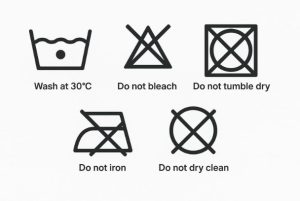
- Washtub with 1 dot: cold wash
- Triangle with X: no bleach
- Square with circle: tumble dry (dots show heat level)
- Square with circle and X: do not tumble dry
- Iron with X: do not iron
Look for words like “gentle cycle,” “mild detergent,” “air dry,” and “do not iron on print.” These protect coatings, prints, and delicate threads that standard washing can damage.
 Effective Cleaning Techniques for Racing Jerseys
After reading the label, use smart washing steps that remove sweat and dirt without harming fabric or graphics. A careful wash keeps your gear looking and feeling good for longer.
Bad smells in sports gear often come from bacteria left behind. Good prep, the right detergent, and gentle methods help clear both grime and odor.
How to Prep Apparel Before Washing
- Turn items inside out to protect prints and help clean sweat and oils.
- Use a mesh laundry bag for delicate pieces or heavy graphics.
- Sort by color to prevent bleeding, especially new or bright items.
- Brush off dry dirt and pre-treat stains before the main wash.
Which Detergents and Additives Protect Fabrics
- Use a mild, sports-safe or delicates detergent.
- Avoid bleach and strong cleaners; they fade colors and weaken fibers.
- Skip fabric softener; it clogs moisture-wicking pores.
- For odor: add 1 cup white vinegar to the wash. For tough smells, add 1/2 cup baking soda.
What Washing Methods Prevent Damage
- Choose cold water and a gentle cycle to reduce wear on fabric and seams.
- Hand washing is often the best method: cool water, mild detergent, gentle agitation.
How to Treat Stubborn Stains and Odors
- Act fast. Blot fresh stains with a clean, damp cloth. Don’t scrub.
- For oily marks, a small drop of dish soap can help. Rinse well.
- Presoak mix: 1 cup water + 1 cup white vinegar + 1 tbsp baking soda; soak 30 minutes.
- For tough spots, make a paste (equal parts baking soda and vinegar), apply, gently rub with a soft brush, let sit an hour, then wash.
- Test any store stain remover on a hidden area first.
Protecting Logos, Graphics, and Embroidery on Racing Apparel
Logos, prints, and embroidery show your team, driver, and events. They draw the eye and add value-but they are sensitive to heat, chemicals, and friction. Handle them with care so they stay bold and clean.
Screen prints, heat transfers, and carefully stitched designs can wear out if treated roughly. Gentle washing and low heat habits help prevent cracking, peeling, fading, and loose threads.
How to Wash Printed or Embroidered Jerseys Safely
- Always turn the garment inside out.
- Use a mesh laundry bag for heavy or detailed graphics.
- Wash cold on a gentle cycle with a mild detergent.
- Spot clean by blotting; avoid scrubbing the design.
What Fades or Damages Graphics Most Easily?
- High heat: ironing or hot tumble drying can melt, crack, or peel graphics.
- Strong chemicals: bleach and harsh cleaners dull inks and weaken threads.
- Sunlight: long exposure fades colors and weakens fabric.
- Friction: rough washing, hard scrubbing, or rubbing against coarse surfaces causes pilling and worn edges.
Drying Racing Apparel to Prevent Wear and Deformation
Drying is just as important as washing. The wrong method can shrink fabric, fade colors, and damage prints. Standard dryers run hot, which is hard on performance materials and designs.
Treat drying as the final step that protects the results of a gentle wash. The goal is to remove moisture while keeping shape, size, and color.
Should You Use a Dryer or Air Dry?
For racing apparel, the choice is simple: air dry. Skip the dryer. Tumble heat is hard on synthetics, elastics, and heat-transferred prints. It can cause peeling, cracking, melting, shrinking, and weak spots.
Air drying also helps items like team jackets or caps keep their shape. Yes, it takes longer, but your gear will last longer and look better.
 Tips for Preventing Shrinkage and Fading
- Reshape garments gently after washing.
- Lay flat to dry or hang in a breezy spot. Use padded or wide hangers for jackets.
- Keep items out of direct sun to protect colors and fibers. Choose shade if drying outside.
Proper Storage to Maintain Integrity Between Races
Care doesn’t stop after washing. Storage matters too. Poor storage can cause creases, stretching, fading, and mildew, which all harm your gear’s look and function.
Set up storage that protects from moisture, sunlight, and crushing. Your gear will be ready for the next event and stay in great shape longer.
Best Practices for Storing Jerseys and Apparel
- Fold lightweight jerseys and store them flat to avoid shoulder stretch and sagging.
- Hang structured items like jackets on padded or wide hangers.
- Don’t overcrowd. Give each piece room to breathe.
- For long-term storage, use breathable cotton bags or sealed containers to block dust.
How to Avoid Mold, Mildew, and Pests
- Store in a cool, dry area with airflow.
- Never store damp clothes. Let them dry fully first.
- Keep the area clean and free of food to avoid attracting insects.
- Use sealed containers in humid places to reduce moisture and block pests.
How to Inspect Racing Jerseys Regularly for Wear and Tear
Even with careful care, racing gear deals with movement, sweat, and weather. Small checks help you catch issues early so they don’t turn into big problems.
Make a habit of looking over your gear like a quick pre-race check. You’ll spot trouble sooner and learn how your items hold up over time.
Signs of Early Fabric Breakdown
- Thin spots at elbows, underarms, shoulders, or knees (if applicable).
- Loose threads, fraying seams, or stitching starting to come undone.
- Pilling on the surface.
- Cracking, peeling, or fading on prints and logos.
- Loose embroidery threads or puckering around stitched areas.
- Loss of stretch or a stiff feel; uneven fading or discoloration.
When Is It Time to Repair or Replace?
Decide based on how bad the damage is and how the item performs. Small snags, minor loose threads, or tiny repairs can often be fixed at home or by a pro. If fabric is very thin in key areas, pilling is heavy, or prints are cracking across large sections, replacing the item may be the better choice.
For racing suits and other safety gear, any damage that affects protection (large tears, fabric wear, or fire-resistance issues) means a prompt replacement. Comfort, safety, and function come first.
Precautions: Avoiding Chemical and Sunlight Damage
Two quiet threats to racing gear are strong chemicals and direct sunlight. Both can fade colors, weaken fibers, and harm performance features. A few simple habits can prevent this kind of damage.
Performance fabrics are built for specific conditions and can break down when exposed to the wrong products or light. A little care goes a long way.
Which Household Chemicals to Avoid
- Bleach: fades colors and weakens synthetic fibers.
- Harsh stain removers and solvents: strip dyes, damage coatings, and can lift heat-transferred prints.
- Fabric softeners: block moisture-wicking pores.
- Body sprays, deodorants, and repellents: can stain or discolor with long contact.
- Fuels, oils, and solvents on racing suits: can reduce fire resistance; clean right away or replace if badly soaked.
How Sunlight and UV Exposure Affect Materials
UV light fades dyes and weakens polyester and nylon over time. Colors turn dull and fibers get brittle, which leads to tearing and stretching.
Keep items out of direct sun when drying. If drying outdoors, use shade. Store gear in a cool, dry place away from windows and bright light to protect color and strength.
Quick Tips for Racing Jersey and Apparel Care
Simple habits make care easy and keep gear in good condition. Skip myths that can shorten the life of your clothes.
A steady routine protects both performance and looks without taking much time.
Easy Habits That Make Gear Last Longer
- Turn inside out before washing to protect graphics.
- Wash cold on a gentle cycle with a mild detergent.
- Air dry whenever possible; if using a dryer, choose low heat and remove while slightly damp.
- Treat stains right away.
- Store clean and dry items folded or on proper hangers in a cool, dry, dark place.
- Avoid overcrowding to reduce friction and pilling.
- Read the care label every time you buy a new piece.
Common Misconceptions about Washing Athletic Apparel
- “More detergent cleans better.” Too much leaves residue that traps odors. Use the recommended amount.
- “Fabric softener helps everything.” It harms moisture-wicking fabrics. Skip it for performance gear.
- “Hot washes remove odor best.” Heat hurts synthetics and prints. Cold water with the right detergent (and vinegar if needed) works better.
- “Looks clean means it is clean.” Odor-causing bacteria can remain. Use good washing habits, not just sight, to judge freshness.
