


What do crickets eat in the house? These insects thrive on plants, seeds, smaller insects, and even food scraps. Crickets can survive in Australia, New Zealand, deserts, rainforests, and gardens, consuming what is available.
Crickets are omnivorous insects with a highly adaptable diet. Whether living in the wild, in gardens, or inside houses, they consume a wide range of organic materials.
Their feeding habits play a crucial role in the ecosystem, breaking down decaying matter and controlling insect populations. Understanding what crickets eat is essential, especially if you keep them as pets or breed them as feeder insects.
Crickets’ Diet
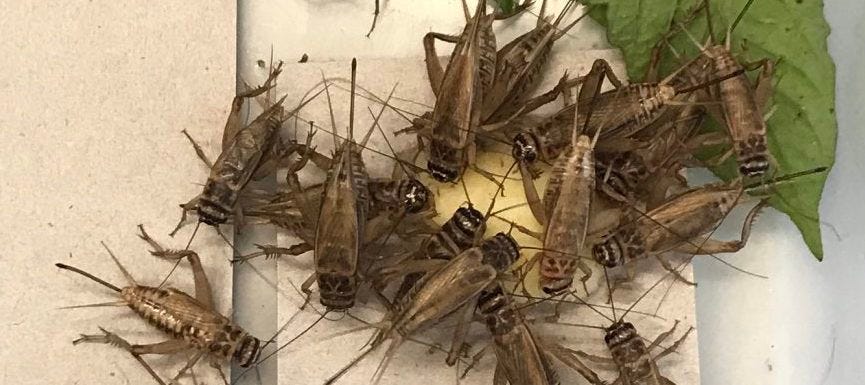
Crickets are known for their diverse diet, eating both plant-based and animal-based food sources. Their diet includes:
- Fruits and vegetables – They consume leaves, grass, and flowers.
- Insects and meat – Some species are predatory and eat bugs or decaying animals.
- Seeds and grains – Crickets eat wheat, oats, and other grains for energy.
- Household scraps – When inside homes, they eat fabric, paper, and leftovers.
- Water sources – Crickets drink moisture from food or damp surfaces.
Crickets’ diet varies depending on availability and habitat. They can eat almost anything, but some foods are healthier for them than others.
What Do Crickets Eat in the Wild?
Crickets in the wild have access to natural food sources that help them survive in various environments. They mainly feed on:
- Plants and grass – Fresh leaves, stems, and even crops.
- Fruits and seeds – Berries, nuts, and fallen seeds provide energy.
- Dead insects – They scavenge and eat bugs like ants or termites.
- Fungi and decaying matter – Organic debris in forests and fields.
In different regions, crickets adapt their diet to their surroundings. For example, “What do crickets eat in Australia?” or “What do crickets eat in the desert?” The answer is simple—they consume whatever natural resources are available, ensuring survival.
What Do Crickets Eat in Captivity?
For pet owners and breeders, feeding crickets properly is essential for their health and nutrition. In captivity, crickets should be fed a balanced diet to keep them strong. Some of the best foods include:
- Fresh vegetables and fruits – Carrots, potatoes, apples, and leafy greens.
- High-protein foods – Dog food, fish flakes, and commercial cricket feed.
- Whole grains and seeds – Oats, bran, wheat, and cornmeal.
- Water sources – A damp sponge or fresh fruit keeps them hydrated.
When raising crickets, avoid overfeeding or leaving spoiled food, as this can cause bacterial growth. Providing the right nutrition ensures they stay healthy and active.
Best Foods for Crickets’ Health
Crickets thrive on nutrient-rich foods that enhance their energy and survival. Below is a table of healthy food options for crickets:
| Food Type | Examples | Benefits |
| Vegetables | Carrots, lettuce, potatoes | Provides vitamins and fiber |
| Fruits | Apples, bananas, oranges | Hydration and natural sugar |
| Protein | Dog food, fish flakes | Builds strong exoskeletons |
| Grains | Oats, bran, wheat | Source of carbohydrates |
| Insects | Ants, termites, small worms | Extra protein intake |
A balanced diet keeps crickets strong and active, making them better pets or feeder insects for reptiles.
Foods Crickets Should Avoid
Not all foods are safe for crickets. Some items can be toxic or harmful, causing health issues or even death. Avoid feeding crickets:
- Processed foods – Sugary or salty items like chips and candy.
- Moldy or rotten food – Spoiled produce can cause bacterial infections.
- Citrus fruits in excess – Too much acidity can be harmful.
- Toxic plants – Some plants are poisonous to crickets and should be avoided.
Crickets are hardy insects, but proper feeding ensures they live longer and stay active.
How Crickets’ Diet Benefits the Ecosystem
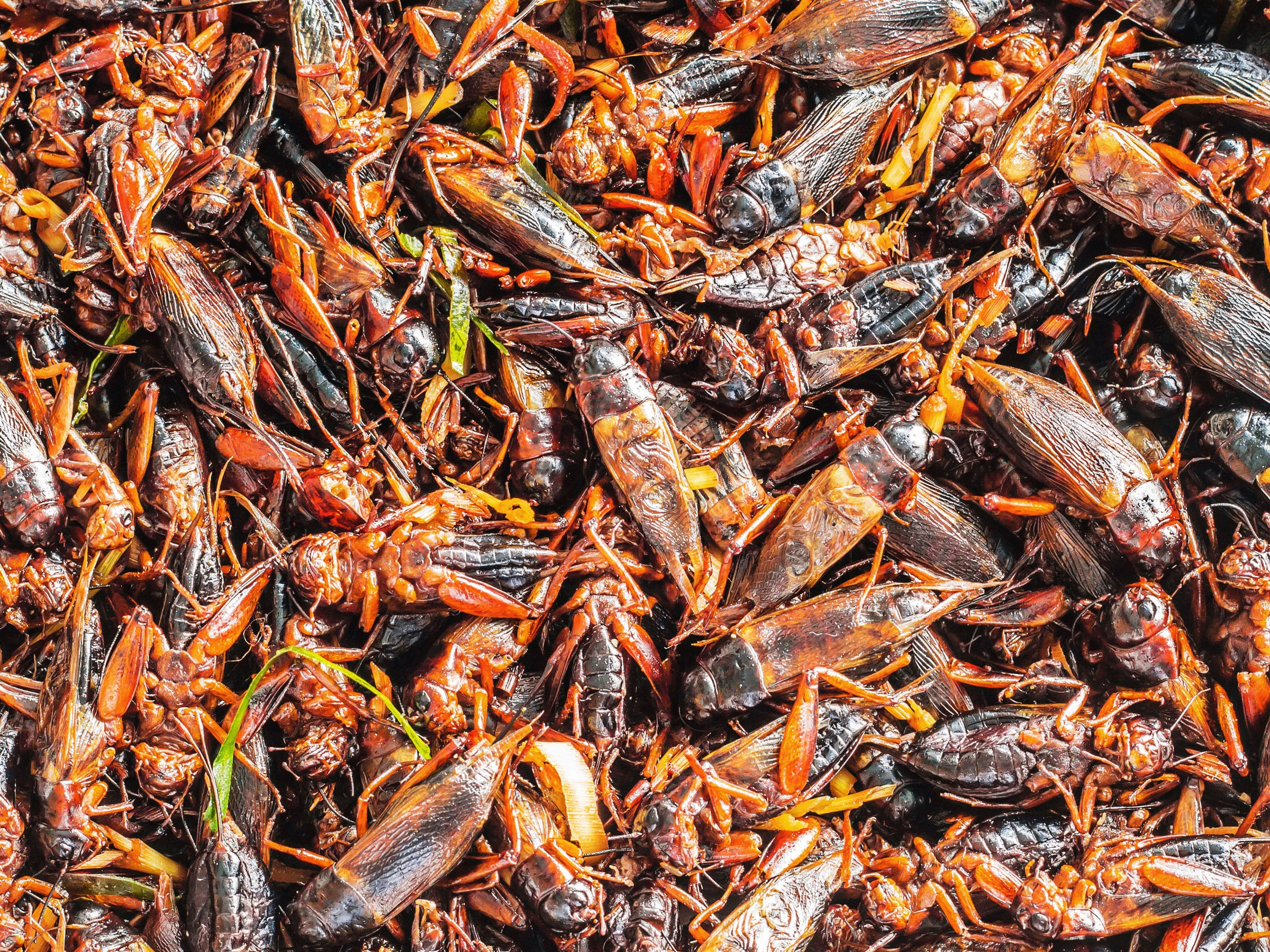
Crickets play a vital role in nature, contributing to the environment in multiple ways. Their feeding habits help:
- Break down organic waste – They eat decaying matter, cleaning the environment.
- Control insect populations – By eating bugs, they prevent infestations.
- Provide food for predators – Birds, reptiles, and small mammals rely on them.
- Improve soil health – Their waste adds nutrients to the ground.
Without crickets, the ecosystem would suffer, making them an important part of nature.
Crickets’ Eating Habits
Crickets have unique eating patterns based on their environment and availability of food. Some key habits include:
- Nocturnal feeding – Crickets are most active at night, eating in darkness.
- Scavenging behavior – They eat whatever they find, adapting quickly.
- Cannibalistic tendencies – If food is scarce, they may eat weaker crickets.
- Preference for fresh food – They choose fresh over decaying matter when available.
These habits help crickets survive in diverse conditions, whether in gardens, deserts, or rainforests.
Frequently Asked Questions About Crickets’ Diet
what do crickets eat in your house?
Crickets eat fabric, paper, food crumbs, and even wood inside homes.
what food do crickets eat the most?
They prefer vegetables, fruits, and grains, but also eat insects for protein.
what animals do crickets eat?
Some species eat smaller bugs, ants, and termites for extra protein.
what grass do crickets eat?
They consume fresh grass blades and decaying plant matter.
what leaves do crickets eat?
Crickets eat soft leaves from garden plants, flowers, and trees.
what seeds do crickets eat?
They eat wheat, oats, and corn seeds when available.
what do crickets eat in the garden?
They eat flowers, roots, grass, and sometimes damage crops.
Conclusion on What Do Crickets Eat?
Crickets are versatile eaters, consuming a variety of foods based on their surroundings. Whether in the wild, in houses, or in captivity, they adapt their diet to survive. They help the ecosystem by breaking down organic waste, controlling insect populations, and enriching soil. Feeding them nutrient-rich foods keeps them strong and active.
From leaves, fruits, seeds, insects, and even fabric, their diet varies widely. By understanding what crickets eat, we can appreciate their role in nature and ensure they receive the best nutrition possible. Whether you’re observing them in your garden or raising them as pets, providing the right food makes a significant difference in their health and survival.
