

Contents
Exploring High-Risk Activities
Skydiving, mountain climbing, and deep-sea diving often feature on lists of dangerous hobbies. These activities involve significant risks, including severe injury or even death, due to factors like high altitude, extreme depths, and unpredictable weather. Such hobbies attract thrill-seekers who are drawn to their excitement and the adrenaline rush they provide.
Motocross racing, cave diving, and big wave surfing also rank high in terms of danger. Motocross racing can lead to severe personal injuries from high-speed crashes, while cave diving poses risks like equipment failure and disorientation in underwater caves. Big wave surfing involves tackling massive waves, which can result in drowning or serious injury if a surfer is overpowered by the forceful water.
Engaging in these high-risk hobbies requires special training, rigorous safety measures, and often, professional guidance. While the appeal of pushing physical and mental boundaries is strong, it’s essential to understand the significant hazards associated with these activities.
Classification of Dangerous Hobbies
Dangerous hobbies vary widely, from airborne adventures to aquatic exploits and high-altitude challenges. Each type of activity poses distinct risks, often leading to severe personal injuries.
Extreme Air Sports
Activities such as skydiving, base jumping, and wingsuit flying fall into this category. Skydivers leap from airplanes, relying on parachutes to ensure a safe landing. Base jumping involves jumping from fixed objects like cliffs and buildings, with significantly less time to deploy a parachute. Wingsuit flying allows individuals to glide through the air before deploying their parachutes.
Risks: Severe injuries from failed parachute deployment, mid-air collisions, and poor landings. These injuries may include broken bones, spinal injuries, and traumatic brain injuries.
High-Risk Water Activities
Engaging in high-risk water activities includes scuba diving, surfing, and white-water rafting. Scuba divers explore underwater depths, potentially encountering strong currents and dangerous marine life. Surfers ride powerful ocean waves, sometimes in rough weather conditions. White-water rafting takes adventurers down rapid-filled rivers, demanding both physical fitness and teamwork.
Risks: Drowning, hypothermia, and severe personal injuries such as fractures and head trauma. Additional dangers include encounters with hostile wildlife and equipment failure.
Mountaineering and Climbing
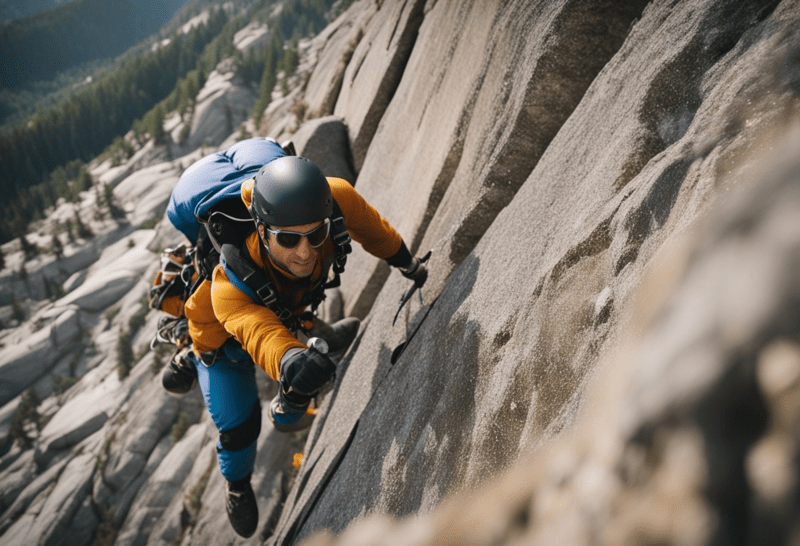
Mountaineering and climbing cover activities from rock climbing to alpine expeditions. Rock climbers scale vertical faces, often with minimal support. Mountaineers navigate challenging terrains, including ice and snow, to reach summits. Both activities require knowledge of safety equipment and techniques.
Risks: Falls leading to fractures, sprains, and potentially fatal outcomes. Climbers face extreme weather, altitude sickness, and avalanches, which can result in severe personal injuries and prolonged recovery times.
Safety Measures and Injury Prevention
Ensuring safety in high-risk hobbies involves proper training, using the right protective gear, and understanding potential risks.
Training and Preparation
Proper training and preparation are essential to reduce severe personal injuries. Enrolling in certified courses and training programs provides knowledge and hands-on experience. For instance, rock climbing enthusiasts should learn proper belaying techniques.
Weekly practice sessions help in maintaining proficiency. Multi-day workshops offer in-depth training, ensuring participants are well-equipped to handle emergencies. Consult experienced professionals because they can offer valuable insights. They can often point out common mistakes that beginners might overlook.
Use of Protective Gear
Protective gear is crucial to minimize injuries. Helmets, gloves, and harnesses are mandatory for rock climbing. Wearing a helmet can prevent serious head injuries. For motorsports, full-body suits made of durable materials provide protection.
The right fit matters. Ill-fitting gear can be ineffective or even harmful. Always check gear before use. Wear protective gear if engaging in high-impact hobbies like skateboarding.
Understanding and Mitigating Risks
Recognizing and mitigating risks can save lives. Create a risk management plan. Identify potential hazards such as unstable surfaces in hiking. Field surveys help in knowing the terrain better.
Avoid dangerous weather conditions by checking forecasts regularly. Monitor your physical condition because exhaustion increases the risk of accidents. Carry a first-aid kit and learn its usage. Reducing risks involves both awareness and preparation.
