


The trap bar deadlift is gaining popularity in strength training due to its unique design and benefits. Unlike the conventional deadlift, which uses a straight barbell, the trap bar allows for a more balanced lift. This reduces strain on the lower back while still engaging key muscle groups. Many lifters prefer the trap bar deadlift for its ability to improve overall strength, making it a great choice for beginners and experienced athletes.
One of the main reasons the trap bar deadlift is favored is because it helps distribute weight evenly, reducing stress on the spine. This makes it an excellent choice for those recovering from injuries or looking to build strength with lower injury risk. Additionally, it is known to improve athletic performance, benefiting sports like football, basketball, and powerlifting.
In this article, we’ll explore trap bar deadlift benefits, muscles worked, correct form and technique, and how to avoid common mistakes. We’ll also discuss alternative exercises, how to integrate it into your program, and important safety tips. Whether you’re new to the exercise or looking to refine your technique, this guide will cover everything you need to know.
What is a Trap Bar Deadlift?
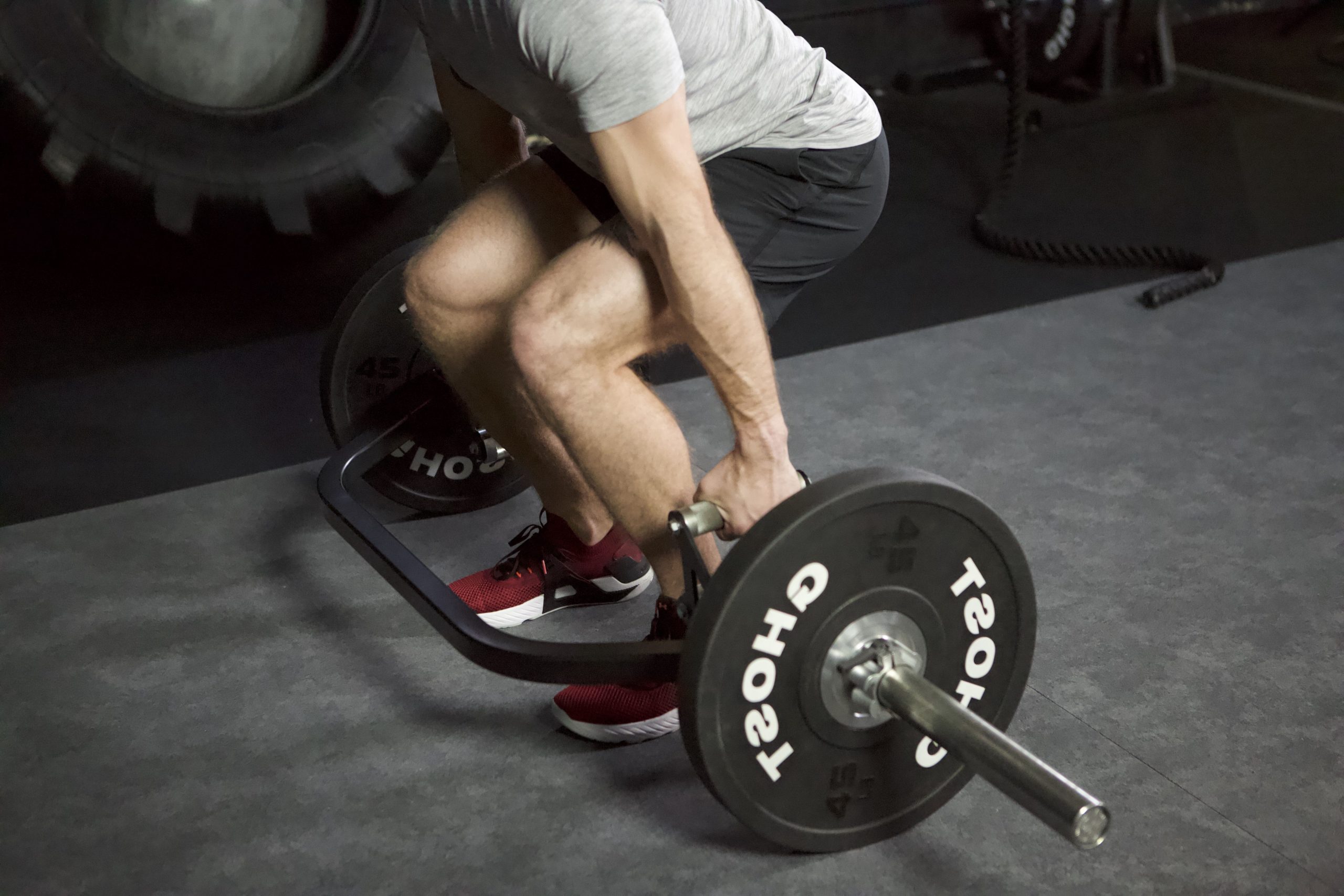
- The trap bar deadlift is a variation of the deadlift performed using a hexagonal-shaped bar, allowing the lifter to stand inside the frame.
- Unlike the traditional deadlift, which places a higher strain on the lower back, the trap bar distributes the weight more evenly.
- The neutral grip used in the trap bar reduces wrist and forearm strain, making it more accessible for different fitness levels.
| Trap Bar Deadlift vs. Conventional Deadlift | Differences |
| Bar Positioning | The lifter stands inside the bar rather than behind it. |
| Grip | Uses neutral handles, reducing strain on the wrists and shoulders. |
| Lower Back Engagement | Less lower back stress, making it safer for beginners. |
| Quad Activation | Engages quads more than the traditional deadlift. |
| Ease of Learning | Easier to learn compared to the barbell deadlift. |
The trap bar deadlift is a versatile movement that provides strength gains while reducing injury risk. It is a perfect option for those who want to improve leg power, core strength, and athletic performance without excessive spinal loading.
Benefits of Using a Trap Bar
- Reduced Lower Back Strain: The neutral grip and even weight distribution place less stress on the spine.
- Increased Quad Engagement: The trap bar puts the lifter in a more upright position, increasing quad activation.
- More Power and Speed: Since the movement is more natural, lifters can generate more force, making it beneficial for athletes.
- Easier for Beginners: The movement is simpler than the conventional deadlift, making it easier to learn and execute.
Muscles Targeted
The trap bar deadlift muscles worked include:
- Quadriceps – Heavily engaged due to the upright posture.
- Glutes – Activated during the lockout phase of the lift.
- Hamstrings – Provide support and stability during the lifting phase.
- Lower Back – Works to keep the spine stable but with less strain than a conventional deadlift.
- Core – Engages for balance and proper posture maintenance.
| Primary Muscles Worked | Secondary Muscles Worked |
| Quadriceps | Forearms |
| Hamstrings | Traps |
| Glutes | Core |
| Lower Back | Shoulders |
Proper Setup and Equipment
- Choose the Right Trap Bar: Select a high-quality trap bar with knurled handles for better grip.
- Adjust the Weight Plates: Use plates that allow for a full range of motion.
- Maintain Proper Foot Position: Stand hip-width apart inside the hex bar for optimal power output.
- Use Flat Shoes: Avoid running shoes, as they decrease stability.
Correct Form and Technique
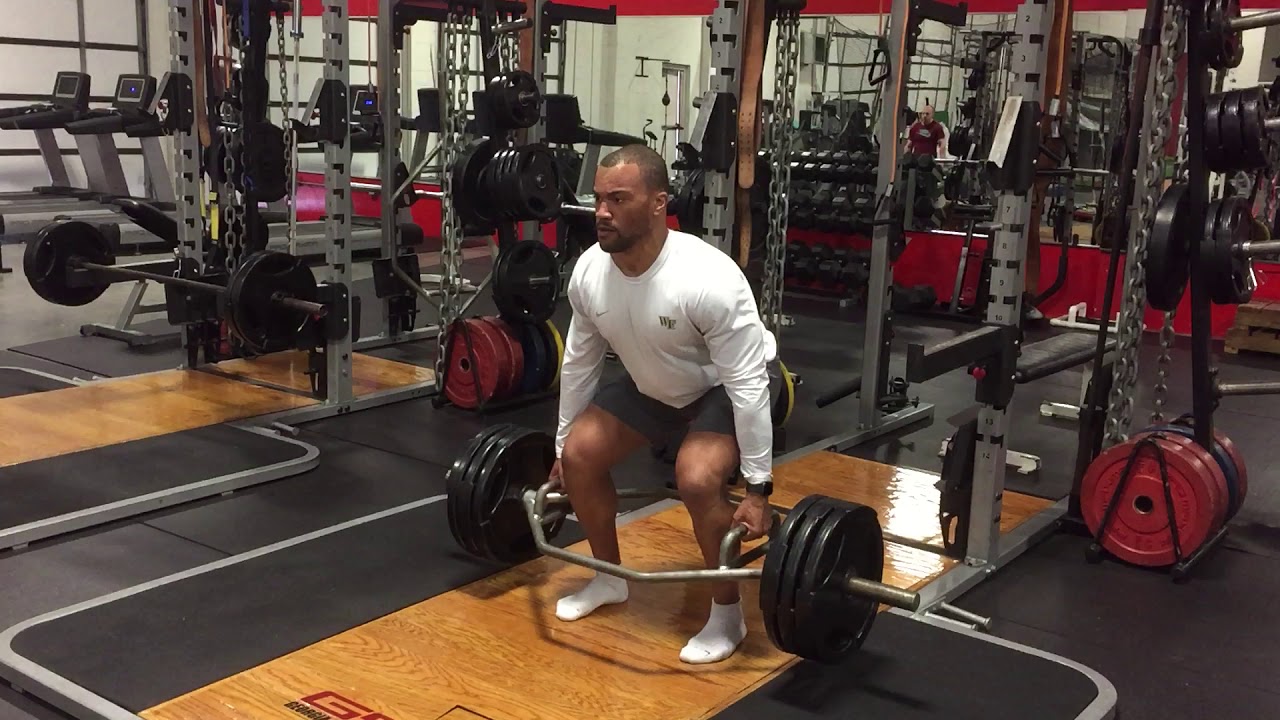
- Step 1: Stand inside the trap bar, feet hip-width apart.
- Step 2: Grip the handles with a neutral grip.
- Step 3: Engage your core, push your hips back, and bend at the knees.
- Step 4: Drive through the heels, extend your hips, and lift the trap bar.
- Step 5: Lock out at the top, then lower the bar under control.
Common Mistakes to Avoid
- Rounding the Back – Can lead to lower back injuries.
- Lifting with Arms – The arms should remain straight; the power comes from the legs and hips.
- Improper Foot Placement – Standing too wide or too narrow reduces power output.
Variations and Modifications
- Deficit Trap Bar Deadlift – Performed by standing on a platform, increasing range of motion.
- Banded Trap Bar Deadlift – Uses resistance bands to increase difficulty at the top of the lift.
- Split Stance Trap Bar Deadlift – Enhances balance and single-leg strength.
Integrating the Trap Bar Deadlift into Your Program
- Beginners: 3 sets of 8 reps at moderate weight.
- Strength Training: 4-5 sets of 5 reps with heavier loads.
- Athletes: 3 sets of 6 reps to improve explosive power.
Warm-Up and Mobility Exercises
- Hip Openers – Increases flexibility for a full range of motion.
- Hamstring Stretches – Prepares posterior chain muscles.
- Core Activation Drills – Helps with stability and posture control.
Safety Considerations and Injury Prevention
- Start with Lighter Weights: Master form before increasing load.
- Maintain a Neutral Spine: Prevents excessive strain on the lower back.
- Warm-Up Properly: Reduces the risk of muscle strain or injury.
Frequently Asked Questions (FAQ) and Troubleshooting
Is trap bar deadlift better than conventional deadlift?
Yes, it offers lower back protection, making it safer for many lifters.
Does trap bar deadlift work the back?
Yes, but it places less stress on the lower back than a conventional deadlift.
What muscles does trap bar deadlift work?
It primarily targets the quads, hamstrings, glutes, and core.
Is trap bar deadlift easier?
Yes, the neutral grip and upright stance make it easier to learn.
Can I use the trap bar deadlift for athletic training?
Yes, it improves power output, making it great for sports performance.
Should I use a belt for trap bar deadlifts?
If lifting heavy, a belt can provide extra core support.
How much weight should I use for trap bar deadlifts?
Start with a moderate weight and gradually increase as your strength improves.
Conclusion on Trap Bar Deadlift
The trap bar deadlift is one of the most effective strength-training exercises, providing a safer alternative to the traditional deadlift. It engages key muscle groups, improves power output, and reduces lower back strain. Whether you’re a beginner or an advanced lifter, incorporating this movement into your training program will yield significant strength gains.
By focusing on proper form, avoiding common mistakes, and progressively increasing resistance, you can maximize results while minimizing injury risk. If you’re looking for a versatile and joint-friendly deadlift alternative, the trap bar deadlift is an excellent choice.
