

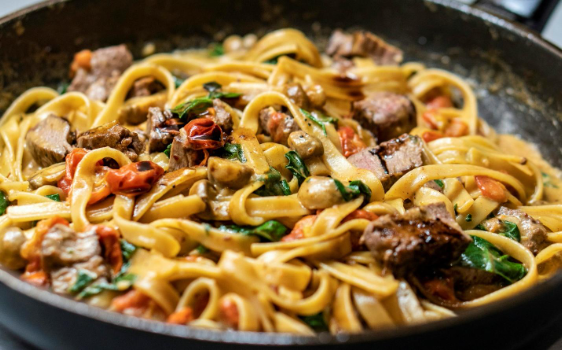
Italy’s pasta culture goes far beyond spaghetti and penne. From north to south, each region holds tightly to its own pasta shapes, cooking styles, and flavor pairings. It’s more than food—it’s a tradition passed down for generations. Every fold, twist, and cut tells a story of local identity and family roots. What you find in Bologna might never appear in Naples, and that’s exactly what makes Italy’s pasta map so fascinating. Whether it’s stuffed, hand-rolled, or extruded through bronze dies, pasta captures the soul of each region. Let’s take a flavorful tour across Italy’s rich pasta landscape.
- Piedmont: Butter, Truffles, and Egg-Rich Dough
Piedmont’s pasta tradition draws from its cool climate and Alpine terrain. Here, rich egg dough takes center stage. The region loves tajarin—thin golden strands made with extra yolks, giving it a bright color and velvety bite. Butter replaces olive oil in most preparations, often infused with sage or white truffle. Agnolotti, the signature stuffed pasta, carries fillings of roasted meats or seasonal vegetables. Piedmontese sauces lean toward subtlety, favoring ingredients like brown butter, veal stock, and Barolo wine reductions. Locals celebrate restraint in flavor, letting quality ingredients shine. Pasta in Piedmont reflects both elegance and hearty countryside influence.
- Emilia-Romagna: The Soul of Handmade Tradition
If Italy had a pasta capital, Emilia-Romagna would take the crown. The rolling hills and fertile plains provide everything from creamy milk to vibrant wheat. Fresh egg pasta defines the region, and locals hand-roll it into silky sheets. Tagliatelle, tortellini, and lasagna rule the menus here. The classic ragù alla Bolognese simmers for hours, clinging to every ribbon of tagliatelle. Parmigiano Reggiano shavings often crown the dish, adding sharp nuttiness. Families treasure their easy lasagna recipe, often made with béchamel and meat ragù layered between wide pasta sheets. This region thrives on technique and family secrets passed through generations.
- Liguria: Coastal Herbs and Tight Twists
Liguria sits along the sea, and its pasta reflects that. With limited farmland, locals use fewer eggs and more water-based doughs. The narrow streets of Genoa gave birth to trofie, a hand-rolled twist that grips pesto perfectly. Pesto Genovese, made with local basil, pine nuts, and pecorino, defines Ligurian cuisine. Trenette and corzetti are other regional stars, often paired with green beans and potatoes for texture. Olive oil replaces butter, while seafood plays a larger role than meat. Ligurian pasta balances land and sea, herb and grain. It feels light yet deeply satisfying, with strong nods to its coastal surroundings.
- Tuscany: Rustic Simplicity and Earthy Depth
Tuscany’s pasta shows off its humble roots. Thick ribbons like pappardelle match the richness of wild boar or duck ragù. Locals value simplicity—just a few ingredients cooked slowly with care. Pici, a hand-rolled noodle thicker than spaghetti, pairs wonderfully with garlic and anchovy sauces or a tomato-based all’aglione. Sauces lean heavily on olive oil, tomatoes, and robust herbs like rosemary and sage. Instead of excessive cheese or cream, Tuscans choose depth through reduced sauces and well-seasoned vegetables. Pasta here reflects the land: earthy, strong, and honest. It doesn’t try to impress, but always satisfies with its grounded character.
- Veneto: Silky Bigoli and Anchovy Traditions
In the Veneto region, pasta often leans toward the sea. Bigoli, a thick spaghetti-like noodle made with buckwheat or whole wheat, stands as a local favorite. Traditional sauce choices include salted anchovies, garlic, and onions gently simmered in olive oil. This combination creates a salty-sweet flavor that clings beautifully to the coarse noodles. Venetian cooks also use duck ragù, especially during holidays. Seafood-filled ravioli appear on special occasions, often finished with citrus zest or saffron butter. Veneto pasta carries the influence of its canals, coastal trade routes, and neighboring Slavic cultures. It blends elegance with briny, rustic warmth.
- Campania: Bold Flavors and Tomato Power
Campania, home to Naples, bursts with color and flavor. The volcanic soil of Mount Vesuvius grows intensely sweet tomatoes, which anchor many local pasta dishes. Spaghetti alla puttanesca, tossed with olives, capers, garlic, and anchovies, delivers a sharp, salty kick. Ziti and paccheri—large tube-shaped pastas—pair perfectly with slow-cooked ragù Napoletano, a rich meat sauce simmered with tomatoes for hours. Campanians also favor seafood pasta, such as spaghetti alle vongole, combining clams, garlic, and chili in a light white wine sauce. Pasta here always brings drama. Bold sauces, hearty shapes, and vibrant ingredients make each dish a celebration of life.
- Sicily: Sweet, Savory, and Full of Contrast
Sicily’s pasta carries a story of influences—Greek, Arab, Spanish—all blending in every bite. Locals balance sweet and savory with masterful ease. Pasta alla Norma, with fried eggplant, tomato sauce, basil, and ricotta salata, is a Sicilian icon. Busiate, a spiral-shaped pasta, captures thick sauces like pesto alla Trapanese, made with almonds, tomatoes, and basil. Sultanas and pine nuts often join savory ingredients, creating surprising yet satisfying contrasts. Swordfish, sardines, and anchovies frequently appear in pasta, often paired with fennel and citrus zest. Sicilian pasta tastes like sunshine and spice, delivering layers of flavor shaped by centuries of cultural exchange.
- Puglia: Orecchiette and the Taste of the Fields
Puglia’s pasta speaks of farmland and tradition. The most famous shape, orecchiette—or “little ears”—forms a bowl perfect for catching sauces. Typically served with broccoli rabe and garlic-infused olive oil, it reflects a diet built on vegetables and grains. The dough uses semolina and water, making it hearty with a firm bite. Puglian cooks hand-shape pasta daily, passing techniques down through generations. Tomatoes, turnip greens, and sheep’s milk ricotta flavor many dishes. Meat plays a minor role here, while legumes and herbs shine. Puglia’s pasta showcases the beauty of simplicity and lets ingredients from the fields take the spotlight.
Italy’s pasta map invites you to explore more than just food—it’s a journey through memory, family, geography, and pride. Each region honors its land, culture, and resources through the way it shapes and dresses its pasta. From Piedmont’s buttery ribbons to Calabria’s fiery twists, every dish tells a unique story. These aren’t just recipes; they’re connections to the people who first made them and those who carry on the craft today. Whether you’re mastering a new sauce or sharing your easy lasagna recipe at a family dinner, remember this: pasta isn’t just about eating—it’s about preserving something timeless.
